Stop Just Buying Lamps. Start Solving Your Heat Problems.
Most suppliers do the same thing: they ship you a lamp, toss in a datasheet, and wish you good luck. We don’t work like that. To us, infrared heating isn’t just a part number in a catalog. It’s a tool for making your whole mechanical process actually work the way it’s supposed to.
Getting the Physics Right
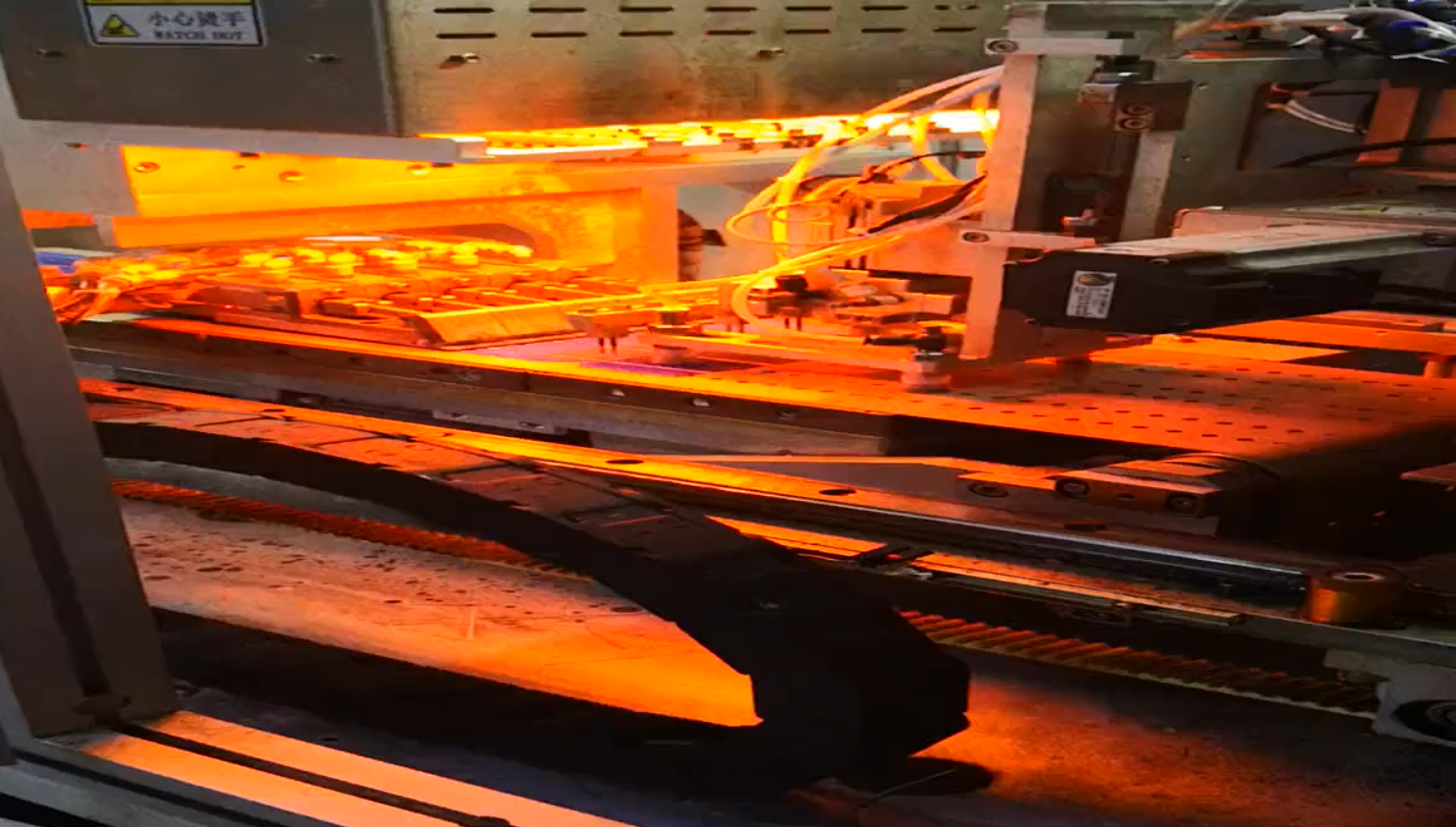
Picking a heater isn’t as simple as grabbing the one with the highest wattage. If you do that, you’re asking for trouble. It’s all about the match. If you need heat to soak deep into electronic components, you’re looking at shortwave IR. If you’re just curing a surface, medium-wave is your best bet. We look at your cycle times and target temps to figure out the exact wavelength you need. Sure, cranking up the power density can speed things up. But there’s a catch. If you jam too many watts into a tiny space, you get hotspots. And hotspots lead to warped PCBs or fried components. Not a great look.
The Nitty-Gritty of Hardware
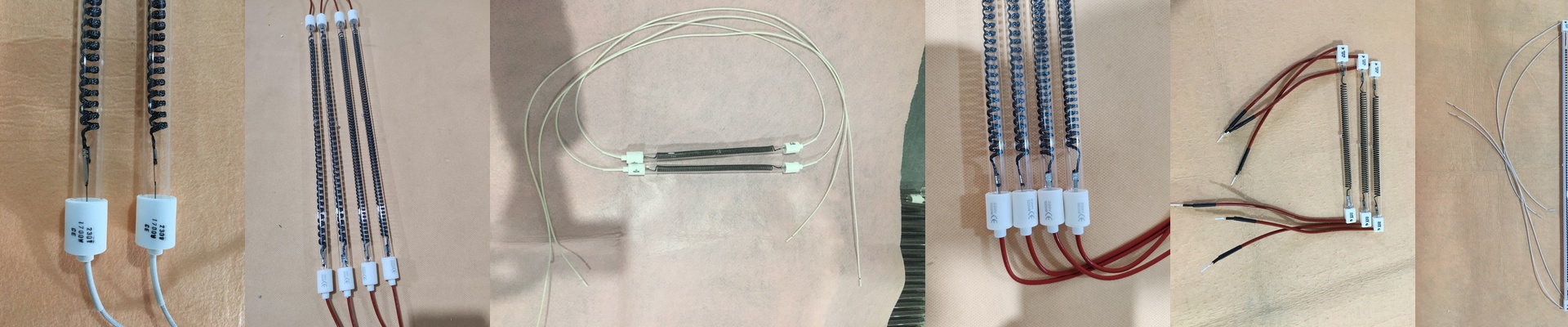
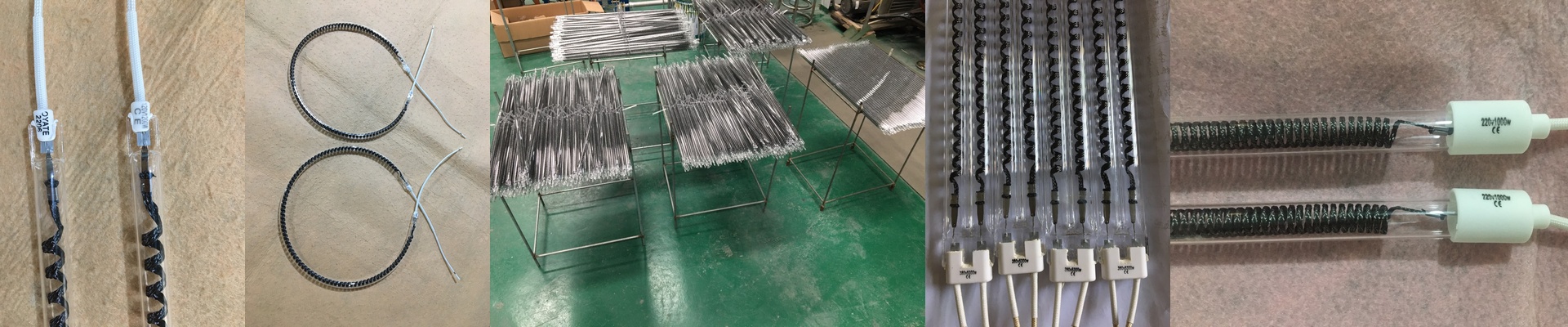
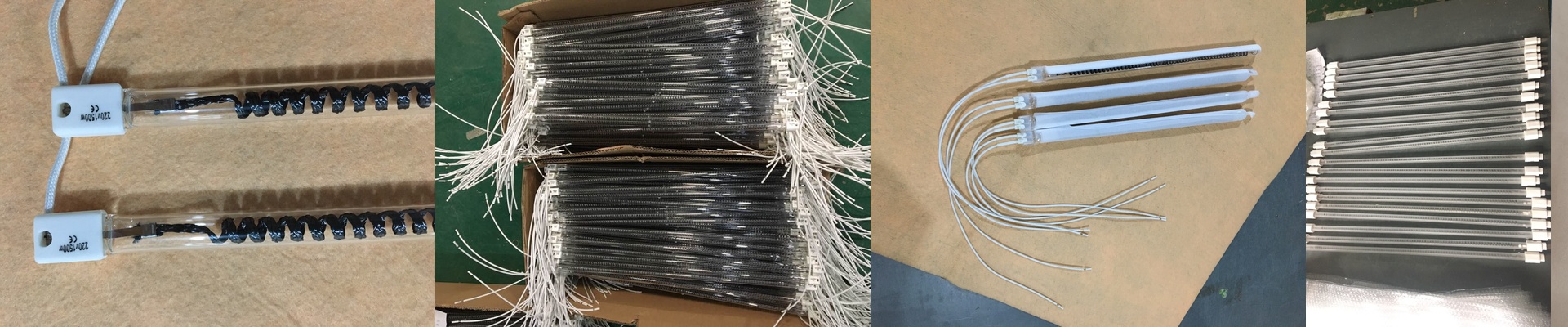
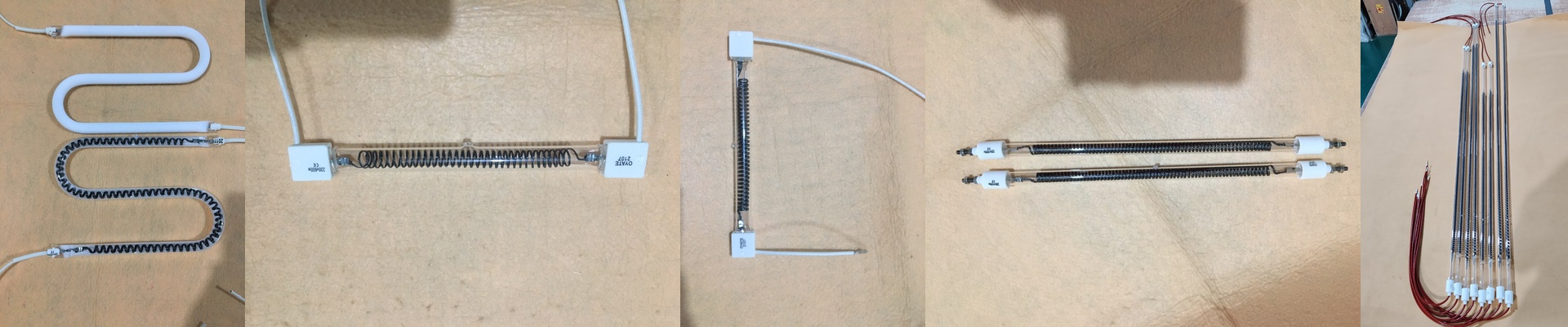
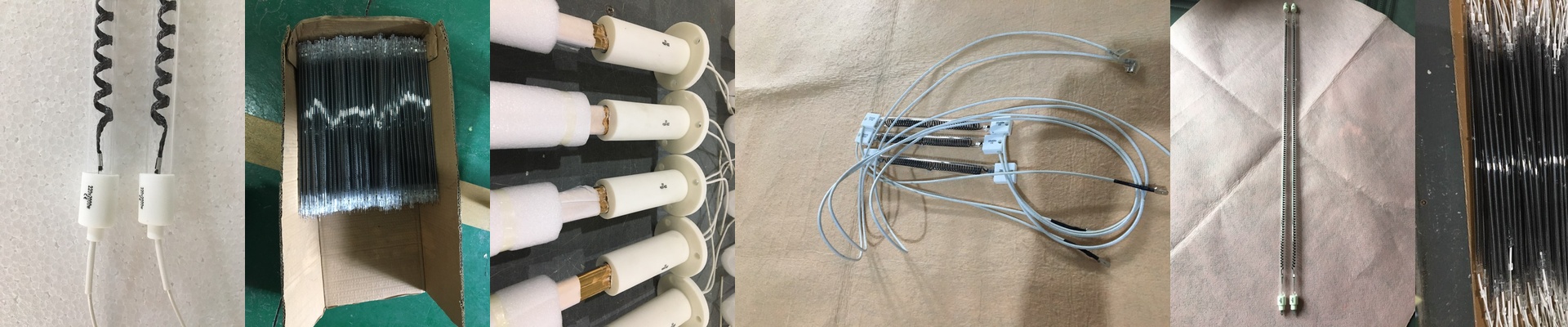
Small details can be a huge pain during maintenance. Whether you use R7s or Sk15 connectors changes how long your line stays down for a swap. We push for drop-in replacements because nobody wants their production line sitting idle. Sometimes we suggest coated quartz tubes. They help shift the emission spectrum or keep the filament from getting gunked up by airborne contaminants. But look, there are always trade-offs. High-output halogen lamps hit their temperature instantly, which is great, but they put a lot of stress on your power supplies. You’ve got to make sure your wiring and controllers can handle that initial surge of current. Plus, if your cooling is weak, the ambient heat will just eat away at the lamp’s lifespan.
Making it Actually Work
Buying the tube is the easy part. The hard part is the setup. We help you get the wiring right and nail the distance between the lamp and your target. If the focal length is off, you’ll end up with an uneven cure and a bin full of wasted parts. We’ll dig into your bottlenecks to see if you need a different reflector shape or maybe a PWM controller to keep the temperature steady. We’re here to make sure the heat lands exactly where it needs to be—nothing more, nothing less.