Stop Buying Parts. Start Solving Heat.
Most people in electronics treat heating lamps like lightbulbs. You buy a tube, plug it in, and when it finally pops, you toss it and buy another. But here’s the thing: that approach usually leaves a lot of money—and efficiency—on the table. We don’t want to just sell you a part number. We’d rather sit down with you and figure out exactly how your process actually works. You don’t need another “component”; you need a thermal strategy that actually hits your targets.
Getting the Heat Right
In this business, it’s all about density. If your wattage is too low, your cycle times start to crawl. You’re waiting around, and that’s wasted time. But if you crank it too high? You’re risking scorched substrates or fried components. It’s a tightrope walk. We look at your footprint and how thick your materials are to find that sweet spot between shortwave and medium-wave IR. The goal is to get the heat deep into the material without baking the rest of the chassis. It’s the difference between a precise tool and a blowtorch.
The Nitty-Gritty of Hardware
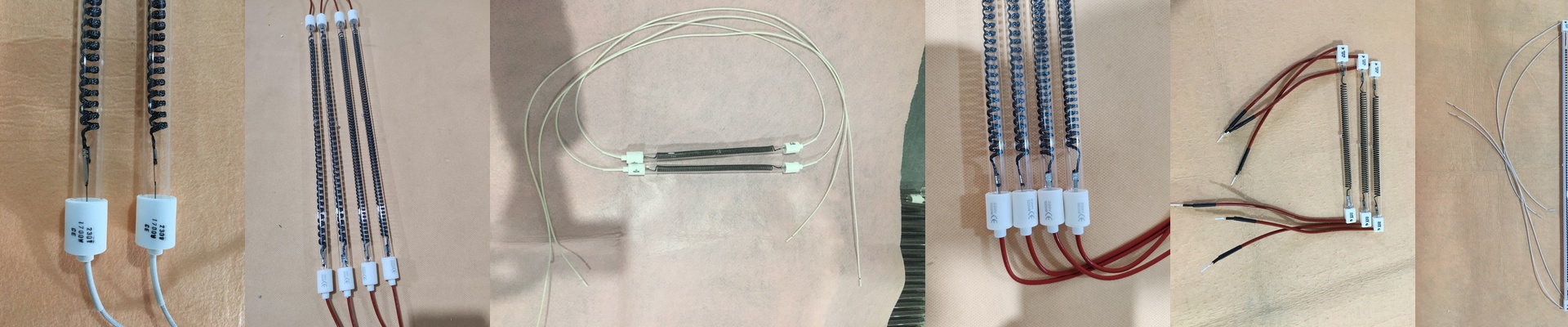
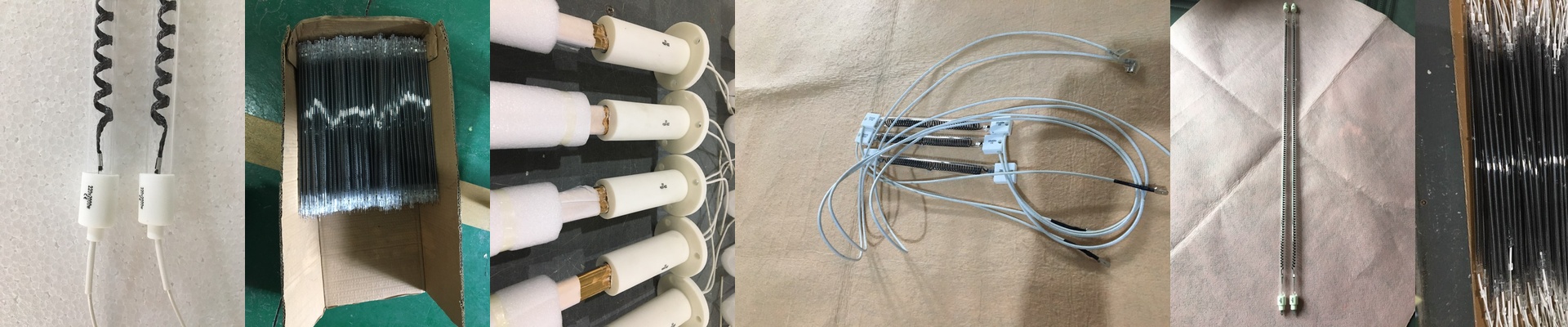
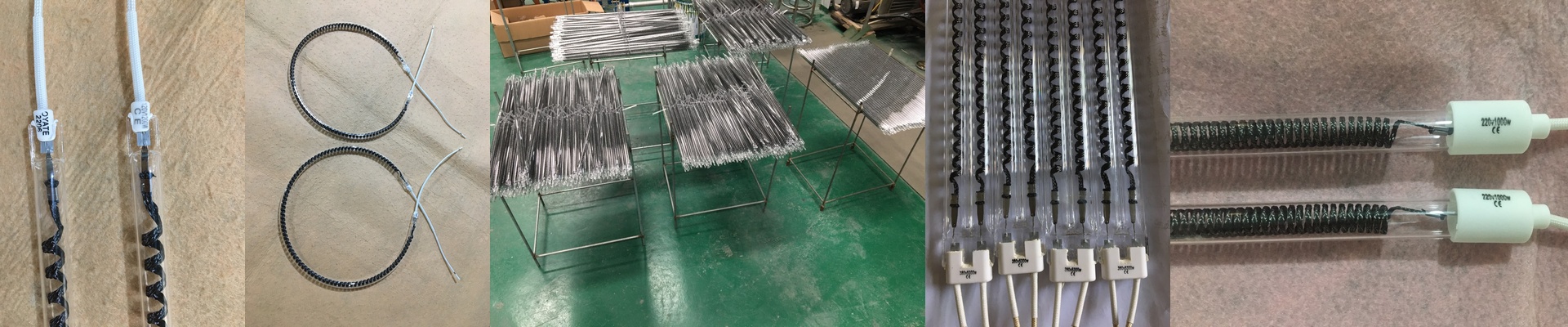
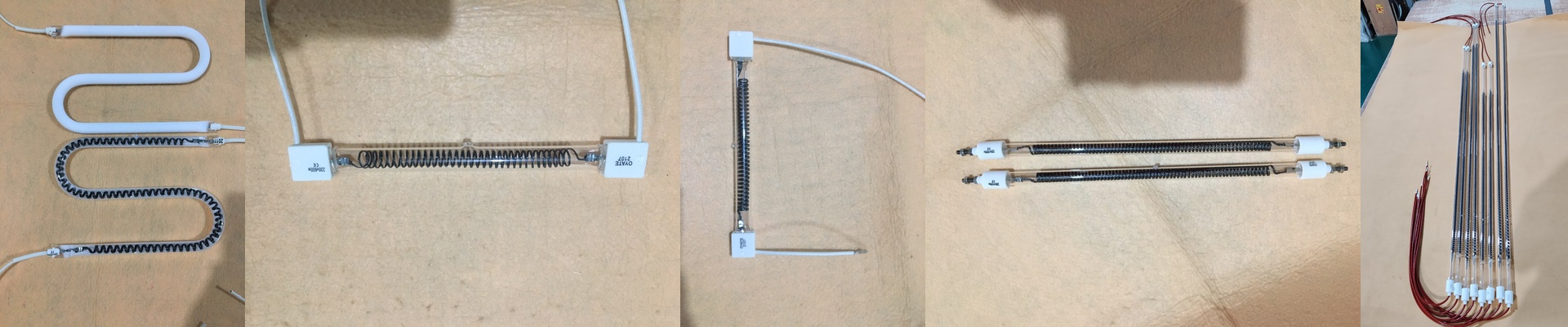
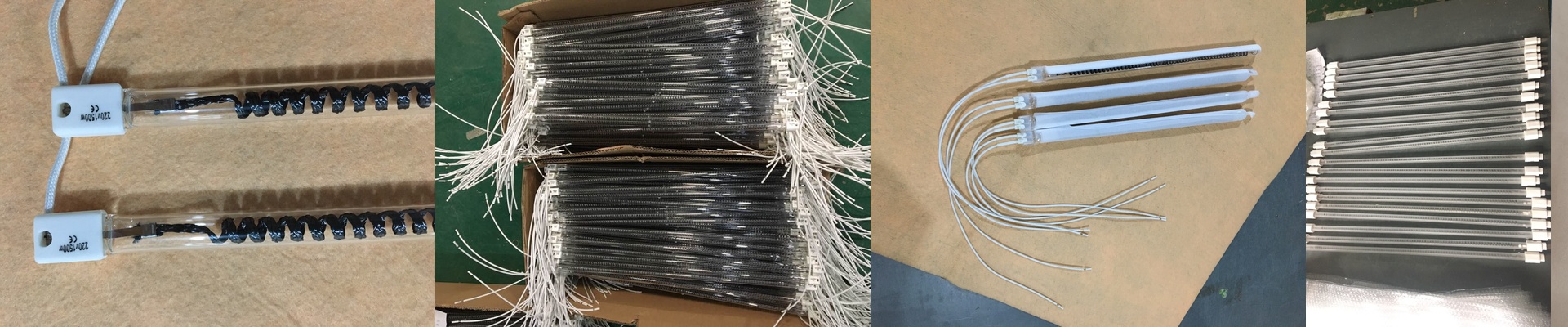
Then there’s the hardware. Picking a connector—whether it’s an R7s or a Sk15—isn’t just about making sure it fits the hole. It’s about how much current it can handle and how fast your team can swap it out when things go south. Nobody likes downtime. A drop-in replacement that takes seconds to install is a win every time. We also spend a lot of time talking about quartz coatings. Now, a coated lamp is great for hitting a very specific absorption band, which makes your energy use way more efficient. But there’s a trade-off. They can be a bit more temperamental with cleaning and don’t always last as long. It’s a balance of performance versus upkeep.
Fixing the Flow
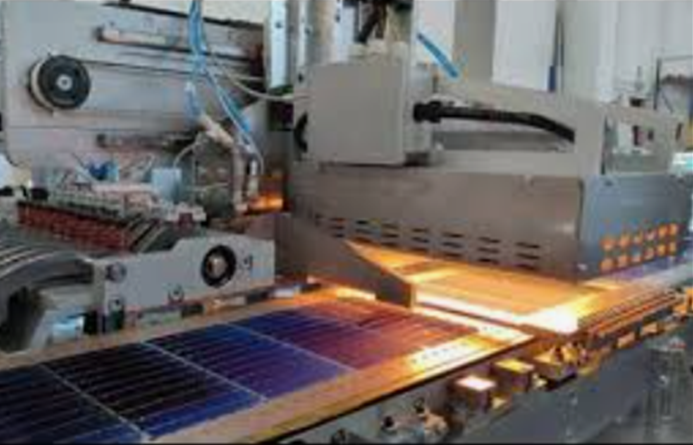
Often, the problem isn’t the lamp at all. If your heat is hitting some spots and missing others, buying a more powerful lamp is like putting a bigger engine in a car with square wheels. It won’t help. You probably just need to tweak your reflector angles or adjust the distance to the target. We’ll help you look at the layout. Plus, we’ll make sure your cooling systems can actually handle the heat soak that comes with high-density arrays. Because if you can’t get the heat out, it doesn’t matter how well you put it in.