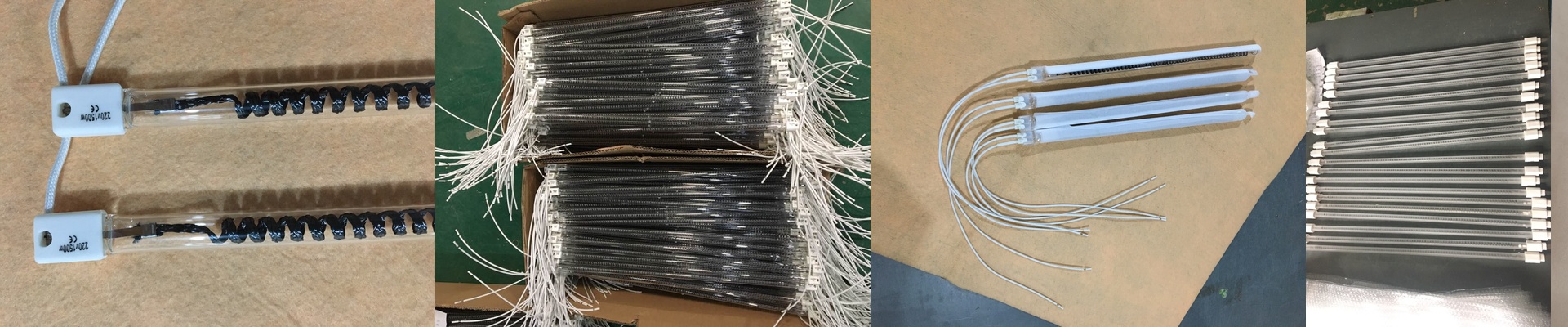
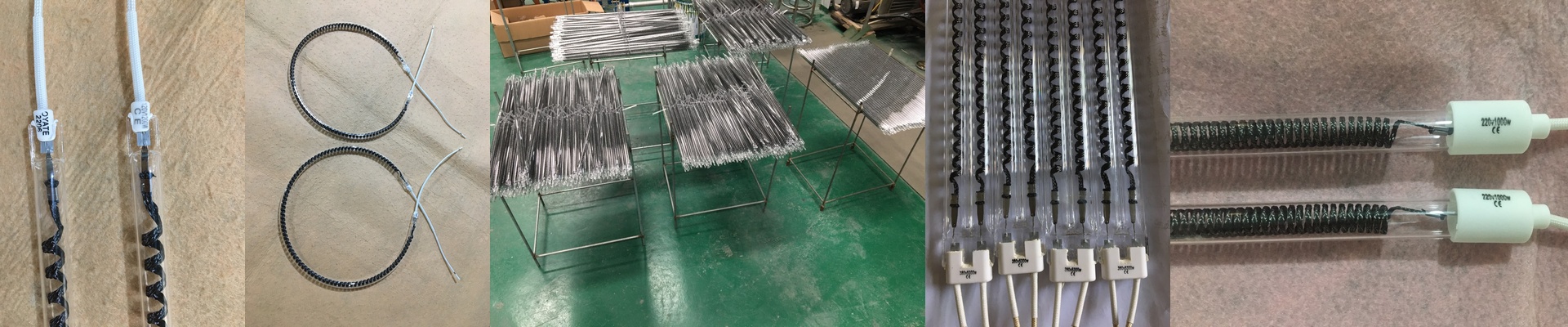
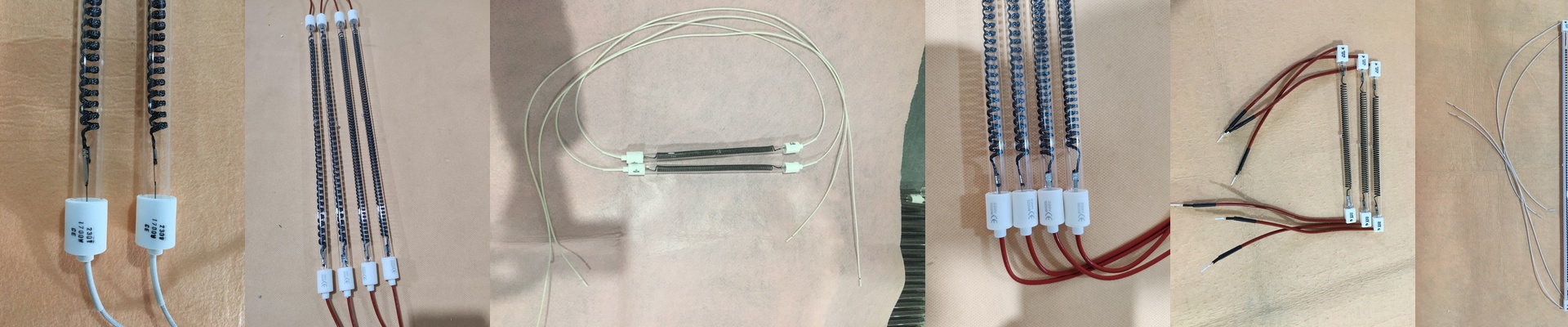
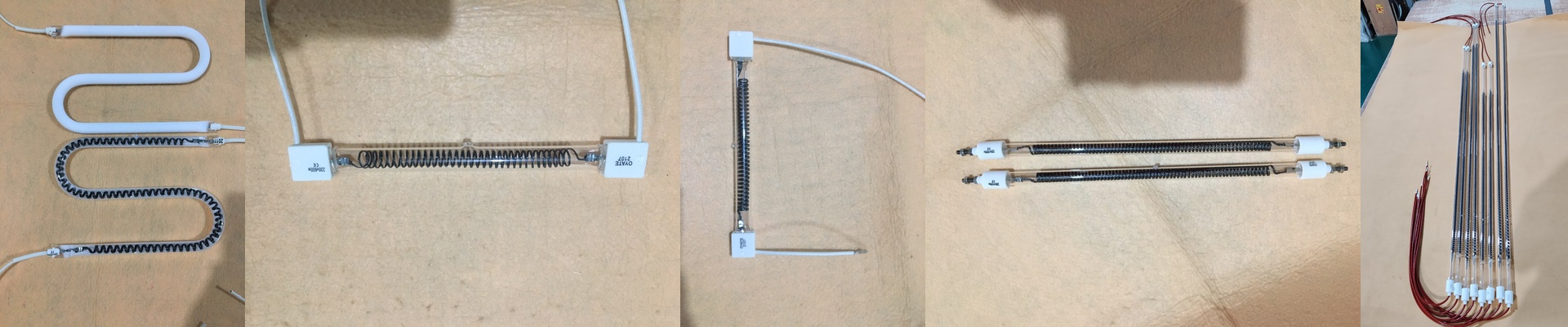
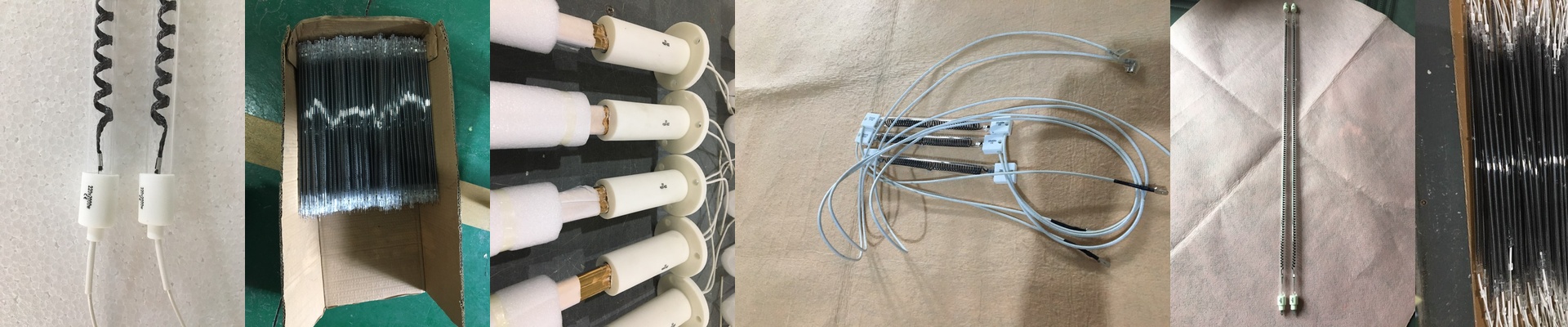
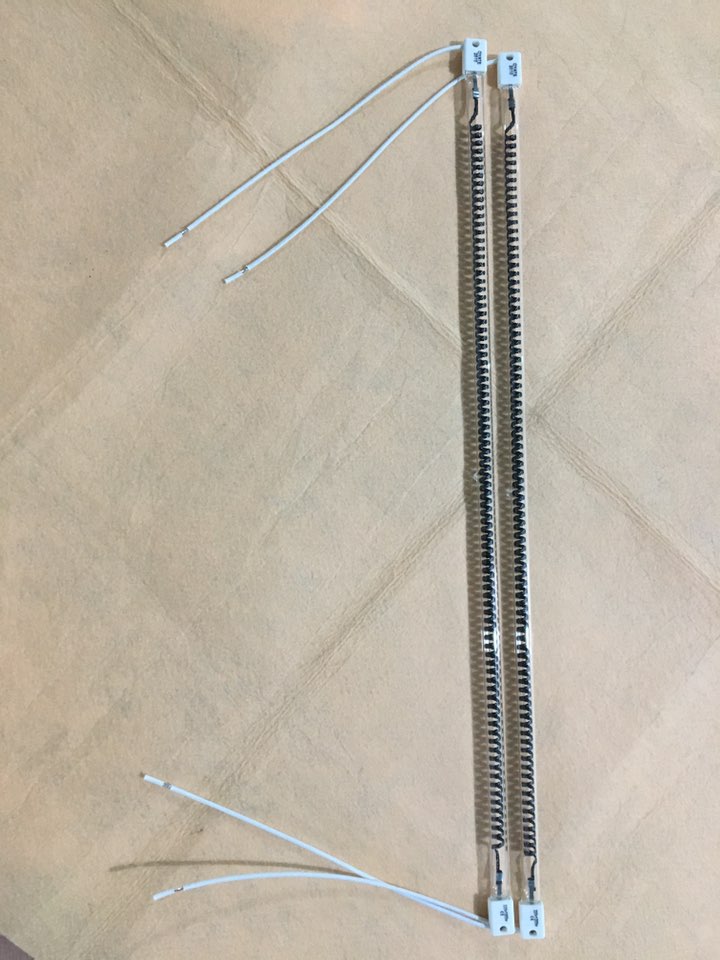
Let’s Talk About Twin Tube Carbon Fiber Heating Lamps
Ever tried to cram a massive amount of heat into a tiny space and realized a single-element lamp just isn’t cutting it? That’s exactly why we built the twin tube. It’s basically a dual-filament setup designed for those moments when you need a serious punch of infrared heat but don’t have the room to spread out. The Power Side of Things Here’s the thing about the twin-tube design: it lets us push way more wattage through a shorter length. Normally, if you tried that with one filament, you’d just burn the thing out instantly. We usually spec these for high-voltage industrial grids to keep the current draw low. But a heads-up—carbon fiber behaves differently than your standard metal alloys when you first flip the switch. You’ll want to make sure your power supplies can handle that initial inrush current, or you’re going to have a bad day. What’s Under the Hood? Inside, you’ve got carbon fiber tucked into a quartz glass envelope. Depending on where you’re using these, we can add a special coating to the glass. This helps shift the heat spectrum or keeps the tube from getting ruined by chemical splashes on a messy factory floor. For the connections, we use R7s or Sk15 terminals. They’re simple drop-in replacements for most industrial sockets. They fit tight. That’s important because loose wiring in a high-heat zone is a recipe for arc-over issues, and nobody wants that. The Trade-offs (Because Nothing Is Perfect) These are a dream for PET blowing and curing plastics. They ramp up fast. Really fast. But there’s a catch. Because the heat is so concentrated, the “sweet spot” is pretty narrow. If your workpiece is even slightly off-center, you’ll end up with hot spots. To keep things under control, I highly recommend pairing these with a PID controller. You don’t want the tubes running wild. Plus, keep an eye on your cooling fans. When you’re pushing this much heat density, those fans have to work overtime to stop your machine frame from warping. Use these when you need instant heat and you’re tight on space. They get the job done without needing a massive bank of heaters.