Getting Carbon Fiber and Paper Dry (Without the Headache)
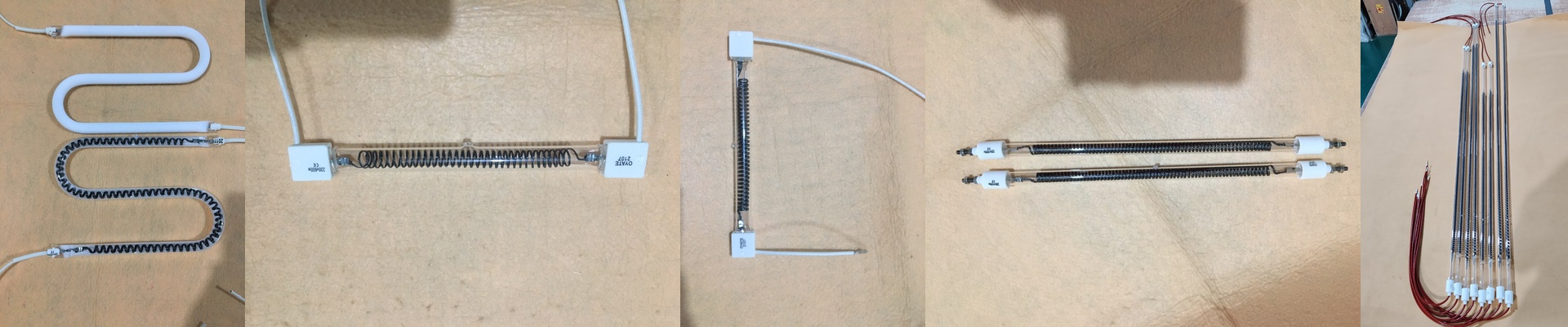
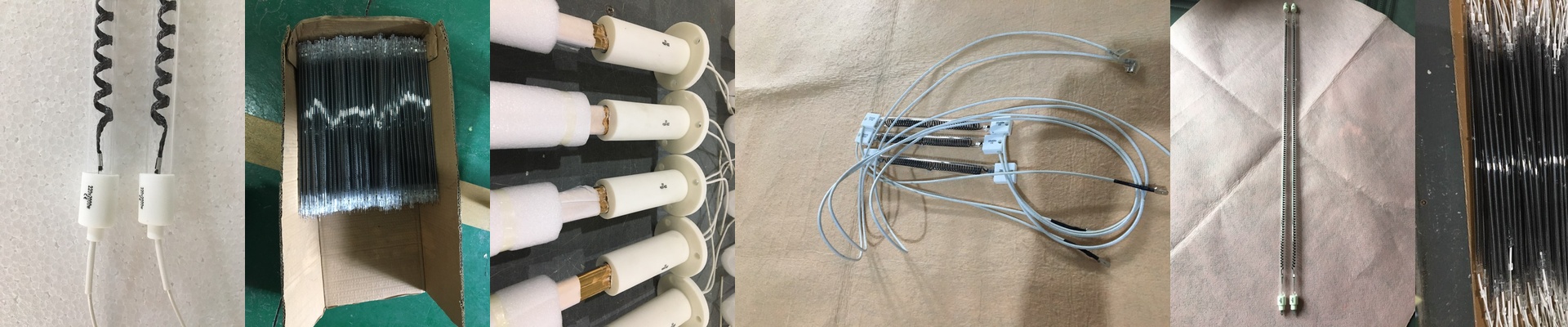
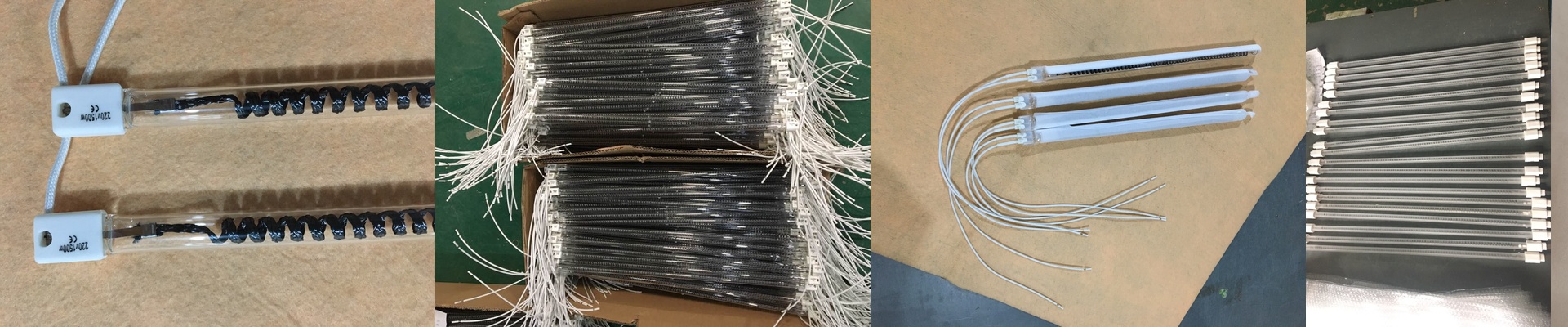
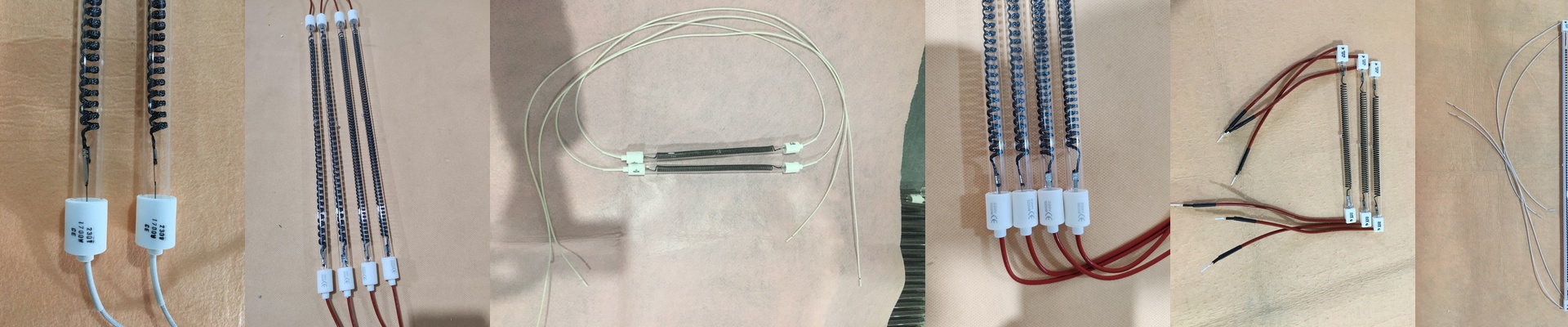
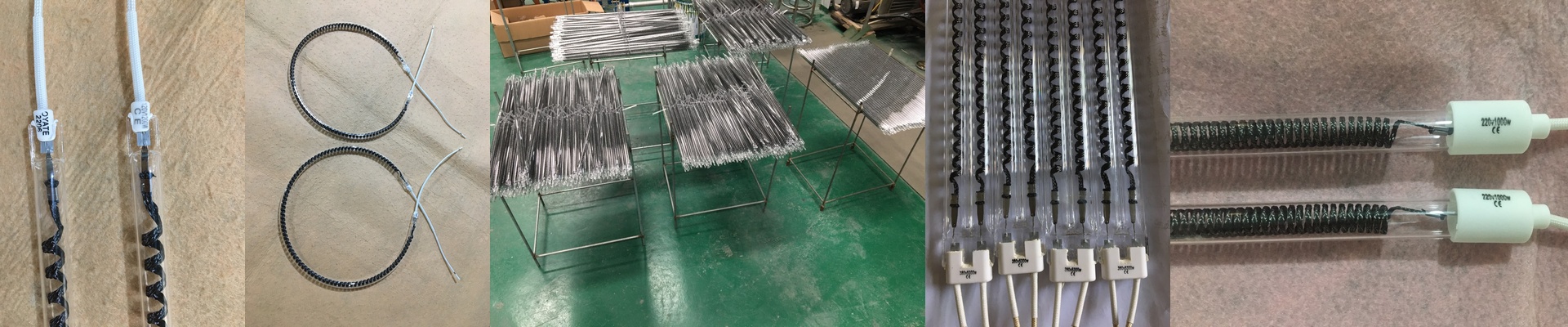
When you’re dealing with high-volume drying or curing, you can’t afford to waste time. If you’re heating carbon fiber or industrial paper, the last thing you want is to heat up the entire room just to get the material warm. That’s why we built these infrared lamps. They use shortwave radiation to punch right through the surface of the material. It hits the target instantly. No waiting around for the air to warm up—just a fast, aggressive ramp-up to the temperature you actually need. Let’s talk power and voltage. We’ve balanced the wattage and voltage so you get a ton of heat without burning out the lamp in a week. If you’ve got a narrow conveyor belt, you need a lot of power in a very small space. These lamps give you that concentrated “heat zone,” which means your machines don’t have to be miles long to get the job done. But a quick heads-up: running these at max power is a heavy lift for your electrical system. Make sure your wiring and breakers can handle the peak current. You don’t want to be staring at a tripped breaker or a burnt-out wire right when you’re in the middle of a big run. The build quality. We use high-purity quartz glass for the housing. Why? Because when things get this hot, cheap glass warps. Quartz doesn’t. As for the plugs, we stick with standard R7s or SK15 connectors. They’re basically “plug and play,” so they should slide right into most industrial heating banks without any fuss. And if you’re working with delicate paper that tends to scorch, let us know. We have coated options that shift the heat spectrum. It lets the core of the paper dry out without frying the surface. Making it work on your floor. One of the biggest pains in large drying tunnels is the “cold spot”—those annoying gaps where the material just doesn’t cure properly. We fix that by spacing these tubes precisely to create a solid curtain of heat. It’s a huge win for curing carbon fiber resins faster. Just one thing: these things put out an incredible amount of heat. You’ve got to vent your housing properly. If that heat gets trapped in the casing, it’ll eat your filaments alive and kill the life of the lamp. Keep them breathing, and they’ll last.