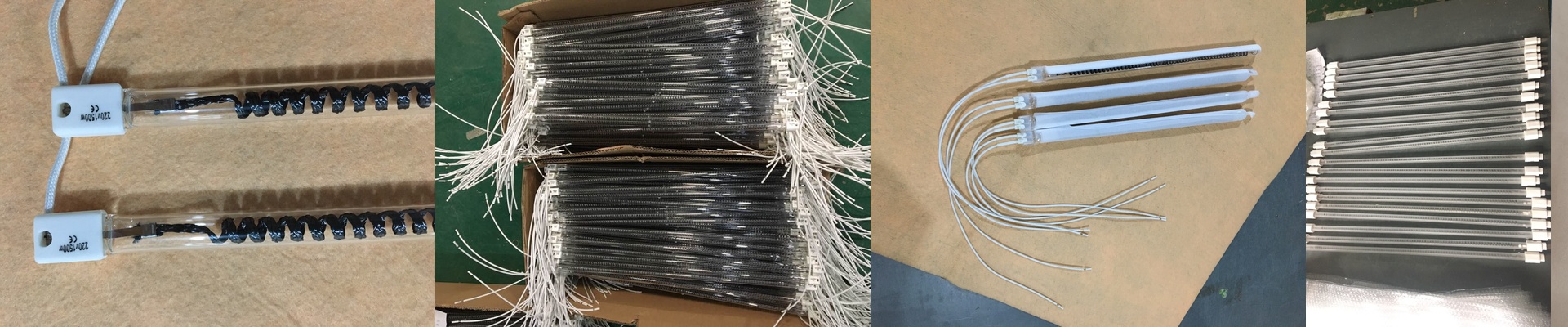
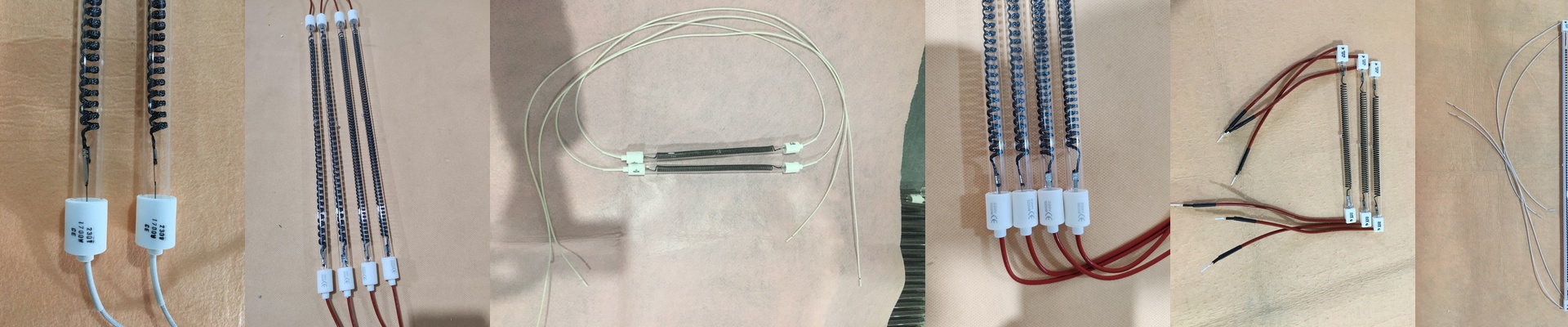
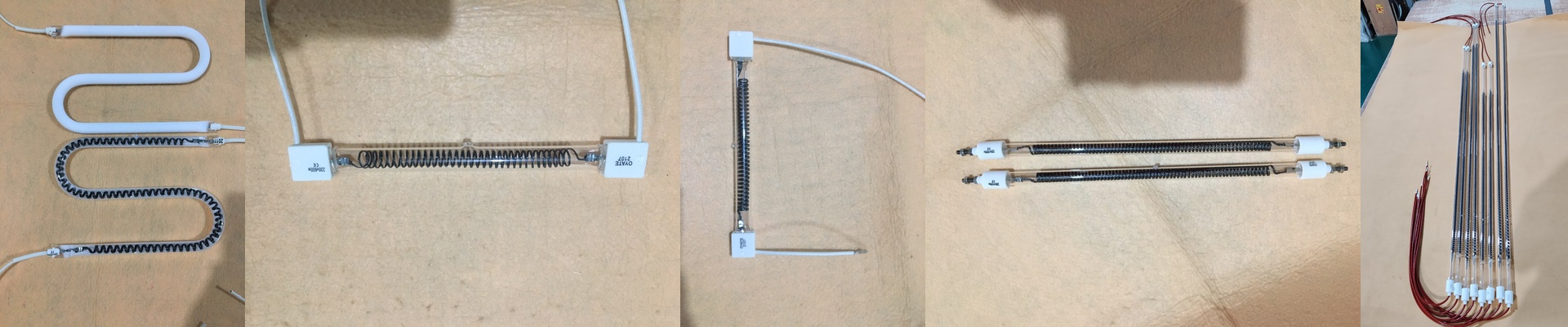
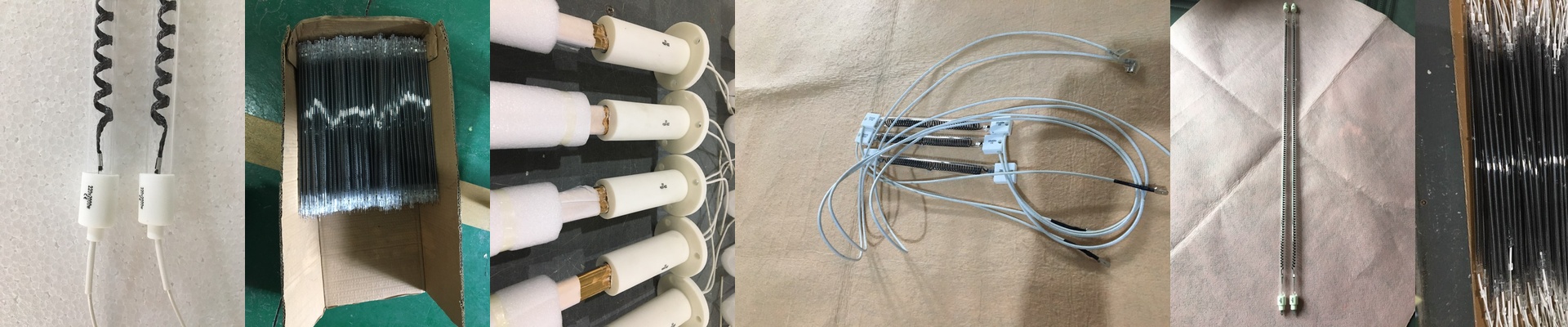
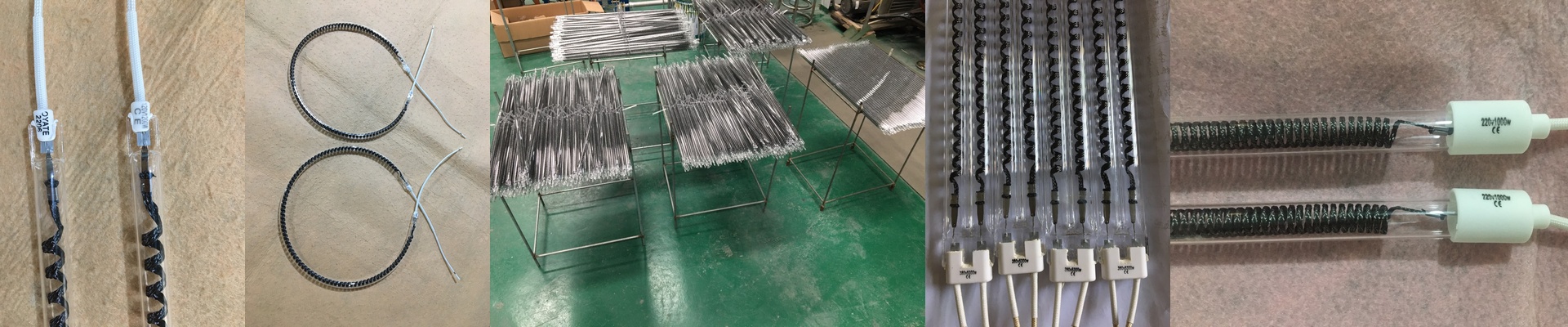
Let’s Talk About Our Carbon Fiber Heating Lamps
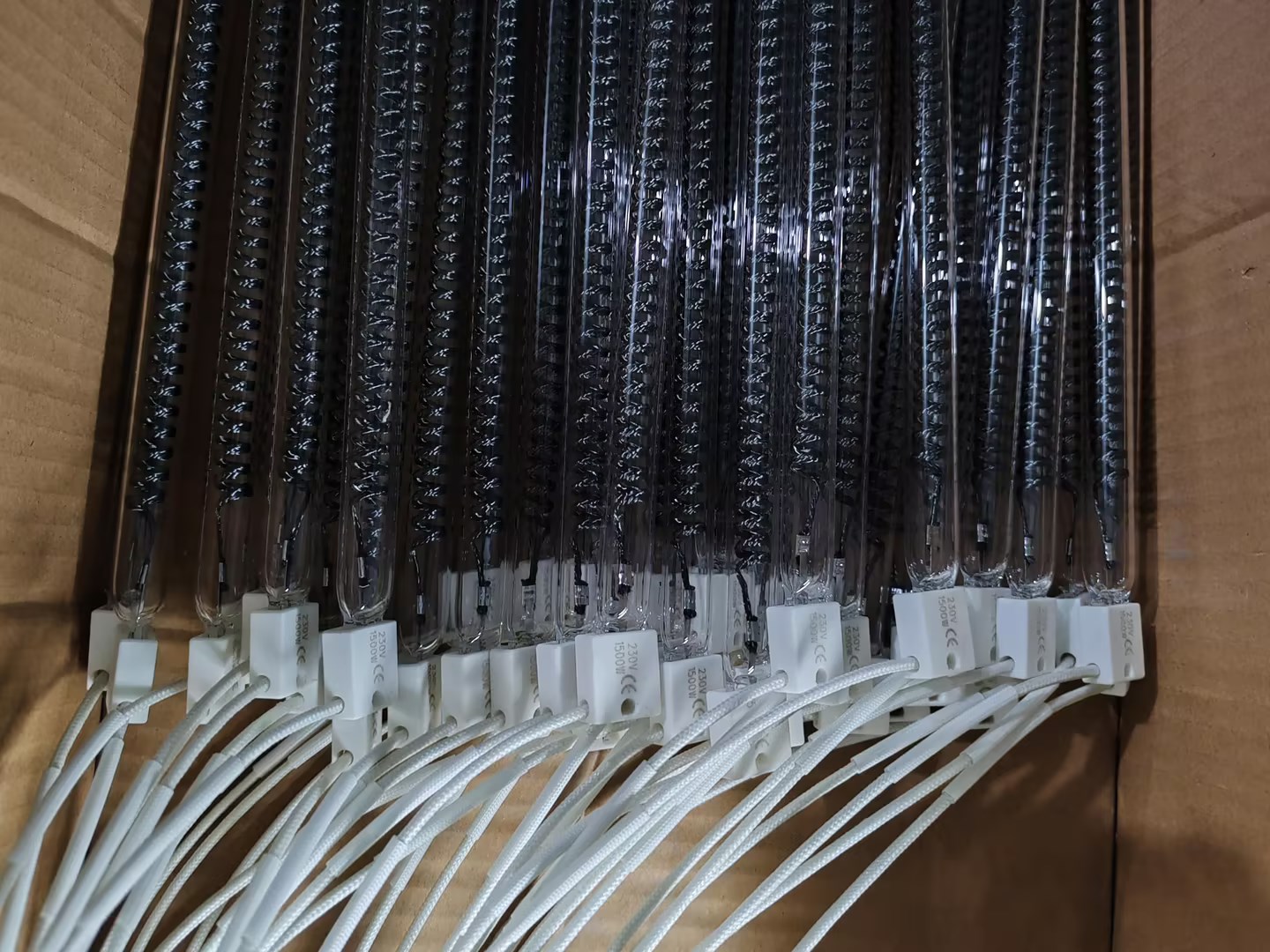
Here is the deal with these lamps: we use a carbon filament tucked inside a quartz tube, usually filled with halogen gas. We build them specifically for OEM setups where you can’t afford to wait around for things to warm up. Unlike those old-school metal coils, carbon filaments push out a different kind of energy. They lean more toward the medium-to-long wave range, which just works better for a lot of industrial jobs. Getting the power right When we’re figuring out the specs, we look at the wattage per centimeter. Now, it’s tempting to just crank up the wattage for more heat, but that puts a lot of stress on the quartz glass. You’ve also got to make sure your voltage—whether it’s 220V or 400V—actually matches your power supply. If you don’t, the lamp will burn out way too fast. And a word of caution: if you try to squeeze too many watts into a short tube, you’ll probably fry the end caps. The build and the fit We use quartz glass because it doesn’t freak out when the temperature swings wildly. Depending on what you’re doing, we can coat the glass to bounce the heat back toward your part or filter out certain wavelengths. For the plugs, we stick to the basics like R7s or SK15. Why? Because you want to be able to swap a lamp out without having to rewire your entire machine. It should just click in. Just make sure the fit is tight. A loose connection is a nightmare—it creates hot spots that can literally melt your sockets. Making it work in your machine You’ll see these a lot in PET blowing or industrial curing because they hit top temperature almost instantly. It makes your cycle times move a lot faster. But there’s a catch. All that concentrated heat means your cooling system has to be up to the task. If the air isn’t moving enough around the housing, your wiring insulation is going to get brittle and degrade. One last tip: double-check your reflectors. You want that heat hitting your target, not baking your machine’s frame.