Let’s talk about Carbon Fiber Heat Lamps
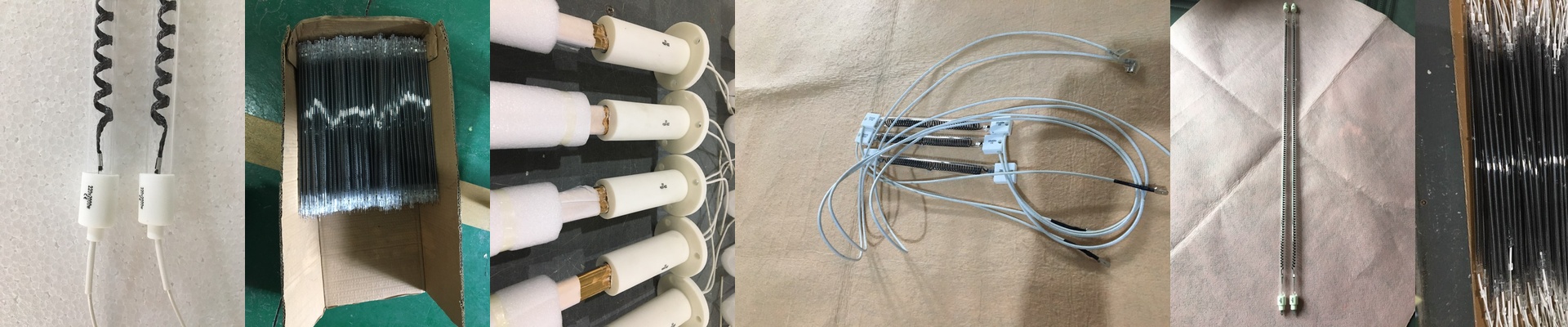
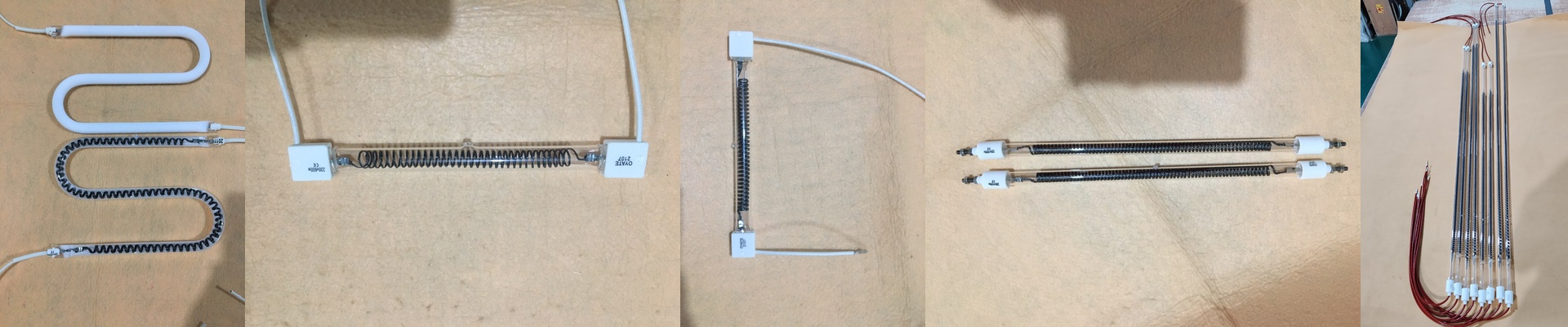
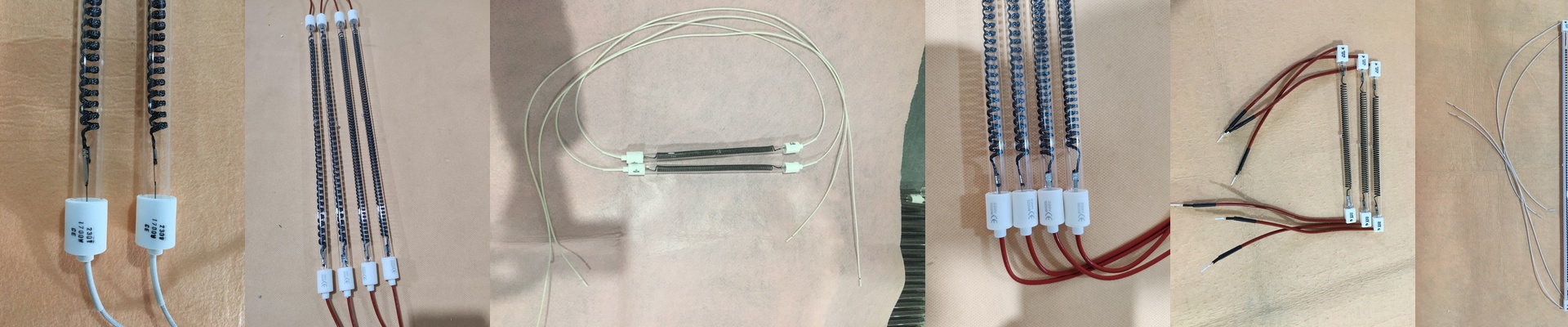
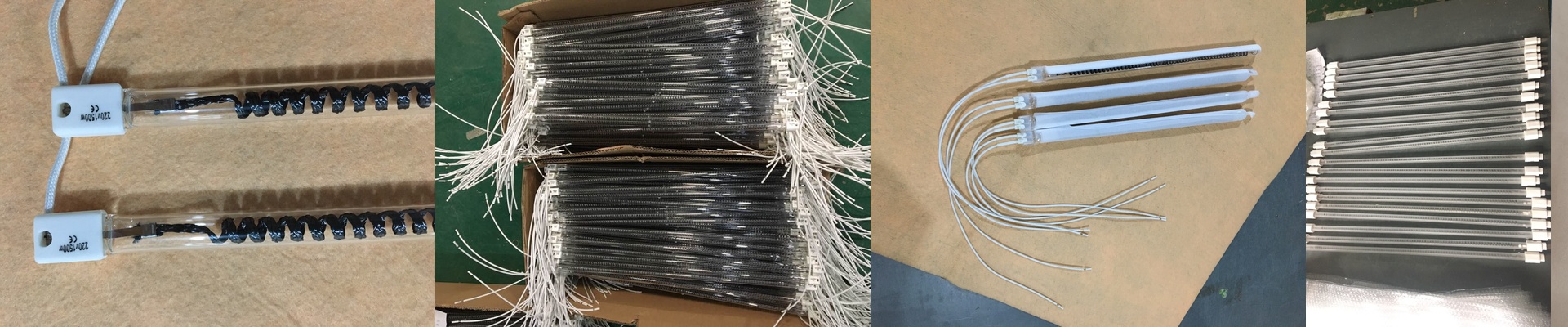
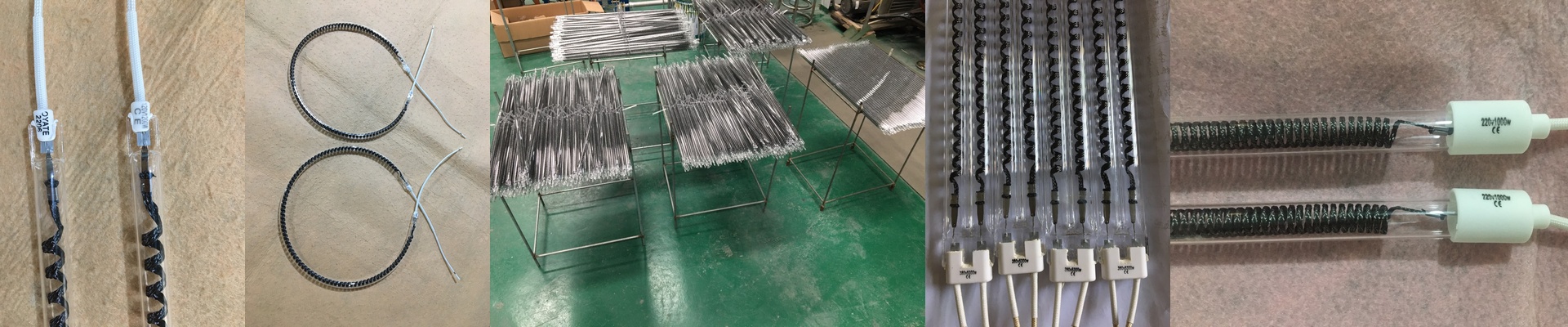
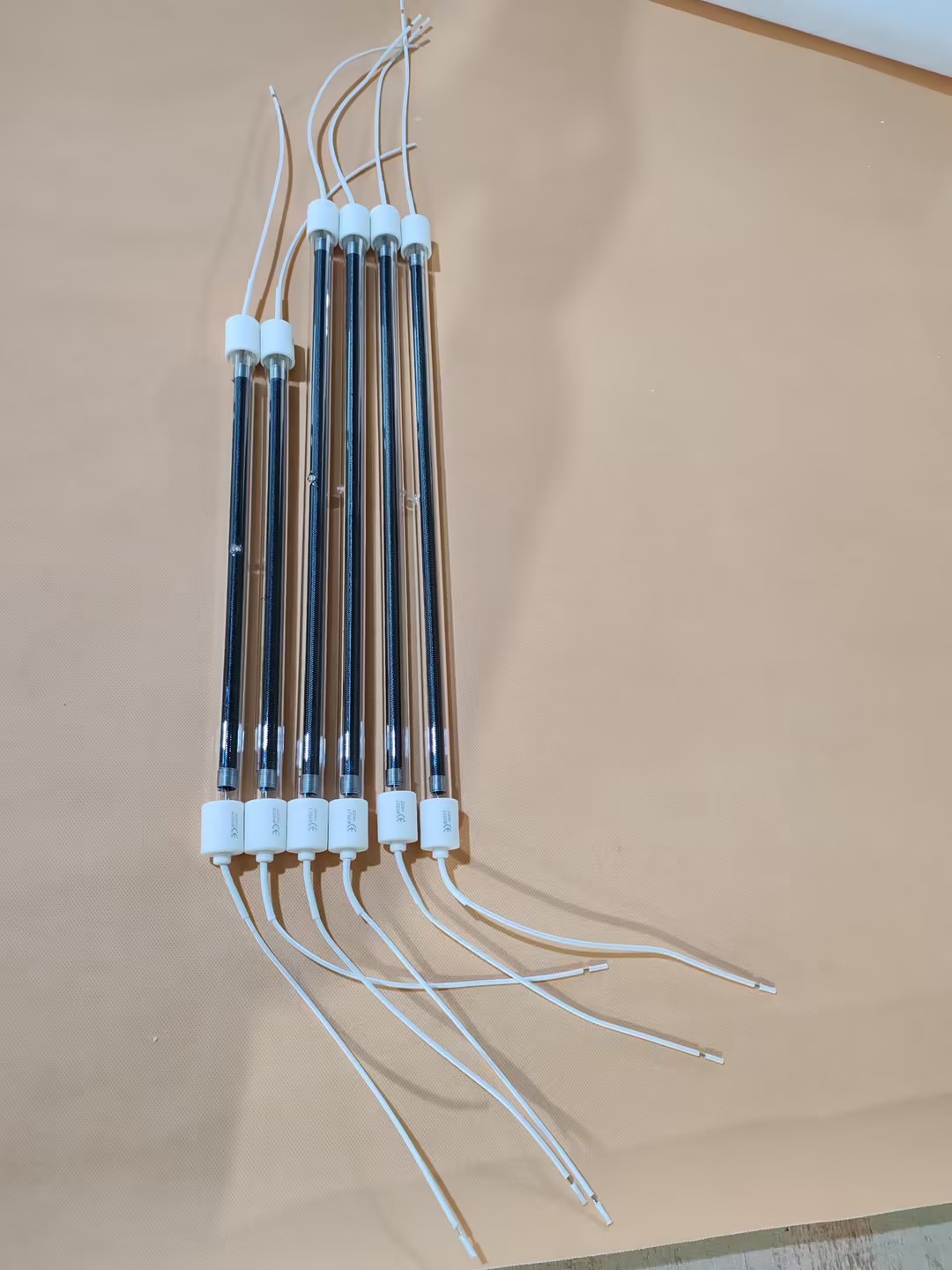
Most heat lamps use tungsten, but we decided to go a different route with carbon fiber filaments. Why? Because it changes the way the heat actually hits your pet. These lamps lean heavily into long-wave infrared. The best part is that they don’t blast your reptile with bright light or UV rays. If you’re trying to keep a nocturnal animal happy, this is a lifesaver. You can keep the heat going without ruining their sleep cycle or stressing them out with “daylight” in the middle of the night. How the heat actually works Inside the bulb, we’ve got a conductive carbon weave. Instead of one blindingly hot spot that could burn a scale, the heat spreads out evenly across the whole filament. It’s a different kind of warmth. Since it’s infrared, the heat sinks deeper into the animal’s tissue. It feels more like a natural sunbath and less like just blowing hot air around the tank. The build quality We wrap that filament in high-grade quartz. We had to use this because the lamp expands and shrinks every time it turns on and off, and cheap glass just wouldn’t hold up. The real trick is the seal. If even a tiny bit of oxygen leaks in, the filament burns out. We use some pretty specialized adhesives to keep that seal airtight, so your bulb actually lasts. A few tips for setup If you’re using a thermostat—which you should be—put your sensor right where your pet basks. Don’t put it right next to the lamp, or you’ll get a fake reading. Also, just a heads-up: these aren’t instant. They take a little longer to warm up than a halogen bulb, but once they hit that peak temperature, they stay there. They’re steady. One last thing… watch the distance. These bulbs get seriously hot on the surface. If you mount them too low, you’re going to scorch your substrate or melt your plastic fixtures. Make sure your enclosure is tall enough to give your pet some breathing room. And if you’re running high wattage in a tiny tank, the air will heat up fast. Keep an eye on it and make sure you’ve got some good ventilation going so things don’t get stifling in there.