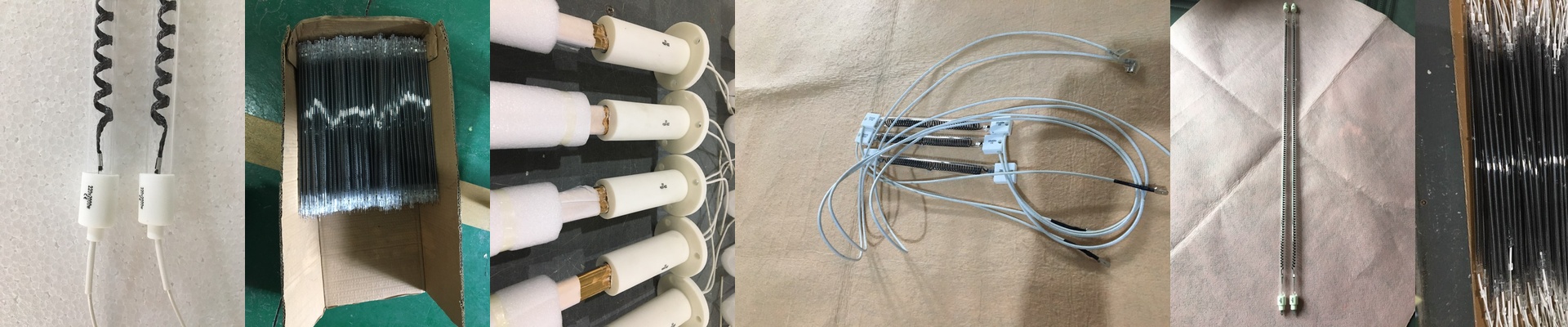
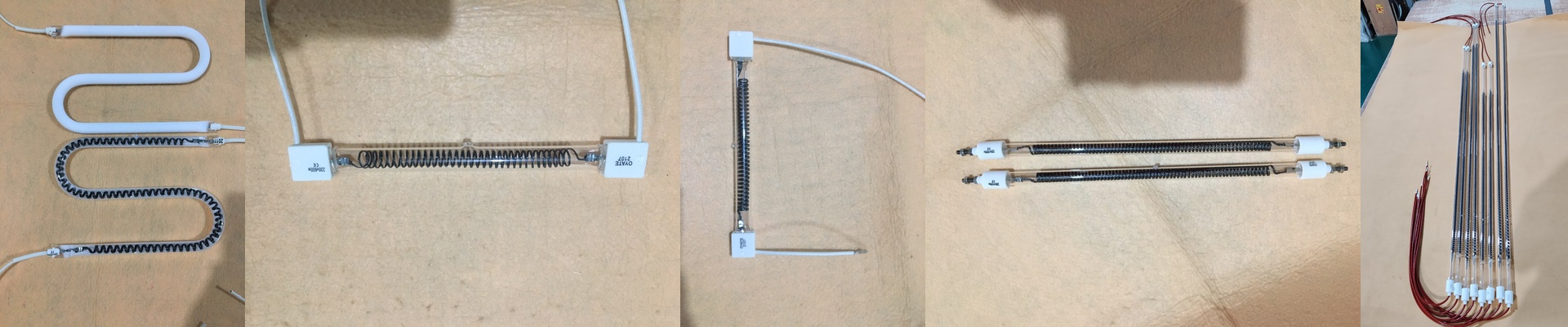
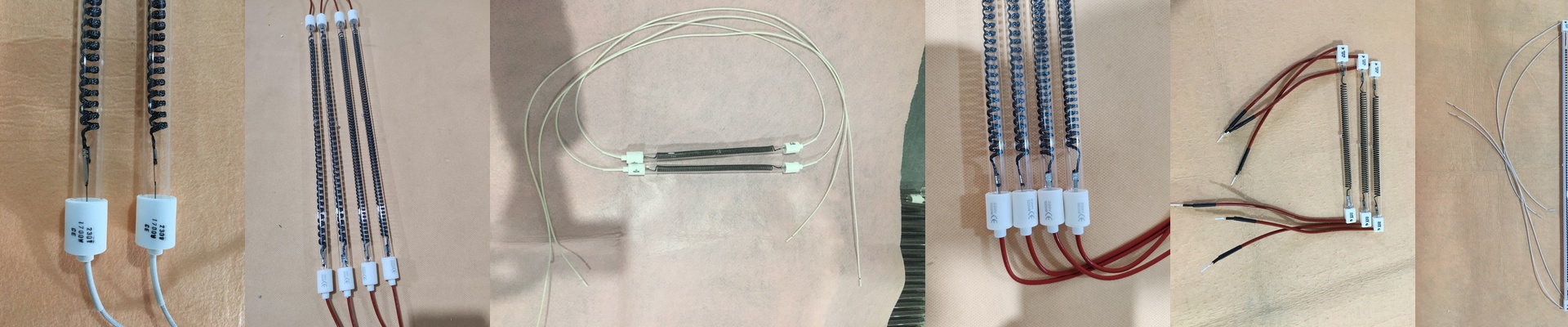
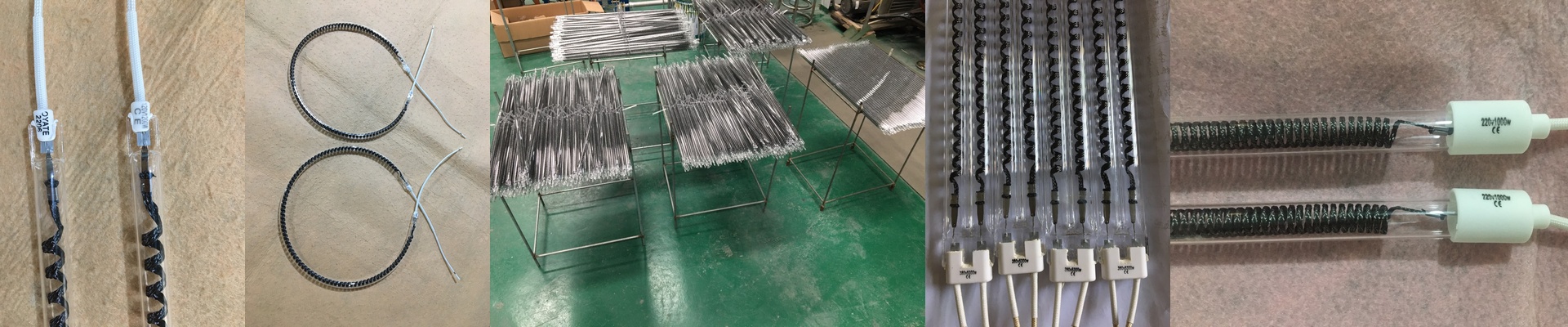
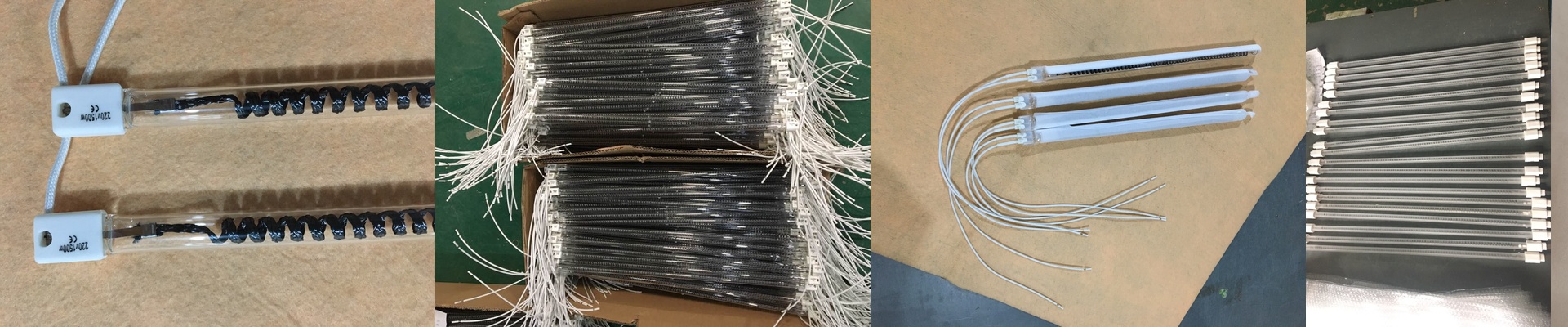
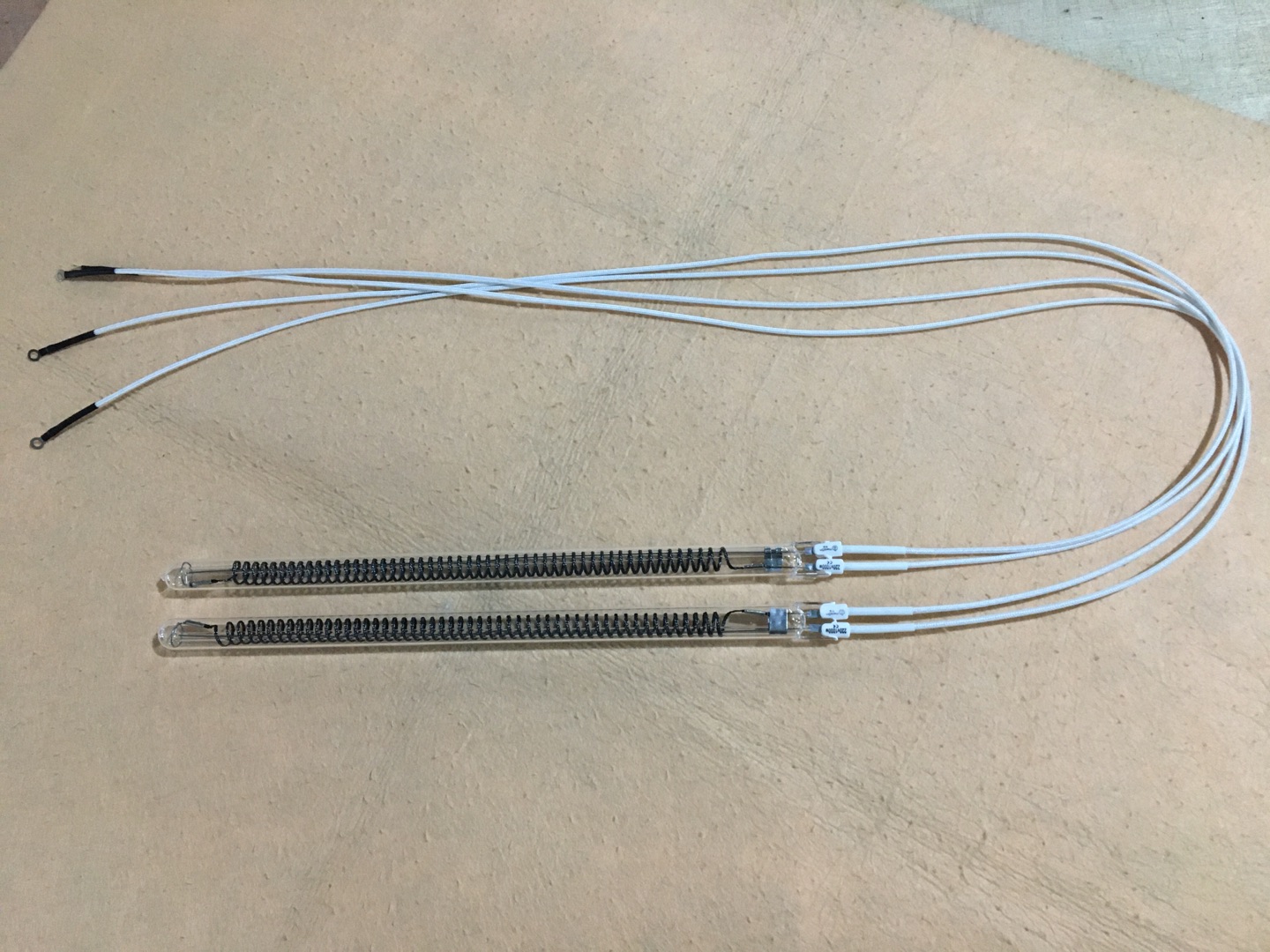
Let’s talk about our 300W Carbon Fiber Infrared Emitters
We built these clear infrared emitters for those moments when you need heat—and you need it now. Most people are used to those old metal alloy filaments. They work, but they run hot. Our carbon fiber core is different. It doesn’t need to get nearly as hot to push out the same amount of infrared energy. The big win here? Your filaments aren’t going to burn out nearly as fast when you’re constantly flipping the power on and off. Heat that actually hits the mark At 300W, you’re getting a really nice balance of power. It ramps up quickly, but it won’t turn your entire machine chassis into an oven. We use a clear quartz envelope because it lets the short-wave radiation fly right through. No barriers. Just direct energy hitting your target surface. One quick heads-up: carbon fiber handles electricity differently than tungsten. If you try to use a controller meant for a standard halogen lamp, you might see some “overshoot” when it first heats up. You’ll want to tune your controllers specifically for this load to keep things smooth. Built for your specific setup We don’t believe in “one size fits all.” If you’re integrating these into a build, we can tweak the length, the lead wires, or the terminations to fit your exact footprint. Whether you’re replacing a dead heater in an old machine or mapping out a brand new production line, just send us your drawings and we’ll make it happen. Plus, since the glass is clear, you can just look at the filament to see if it’s healthy without having to kill the power. It also makes lining everything up with your workpiece a whole lot easier. The real-world stuff These are absolute beasts for drying, curing, or any job where you need localized heat fast. But, there’s a trade-off. Carbon fiber is a bit more sensitive to physical shocks than those heavy-duty coated lamps. It’s not “fragile,” but it doesn’t like being beaten up. Make sure your mounting brackets are rock solid. If the tube vibrates too much or takes a hit during operation, the filament will snap. And please, use high-temp leads. Nobody wants to deal with melted insulation.