OEM Carbon Fiber Infrared Heating Lamps: Built for the Engineers Who Know What They Need
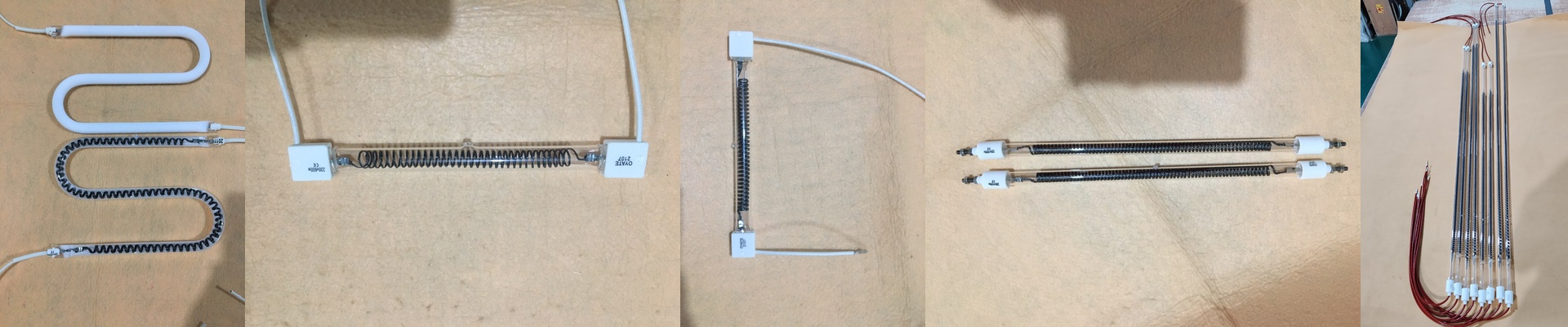
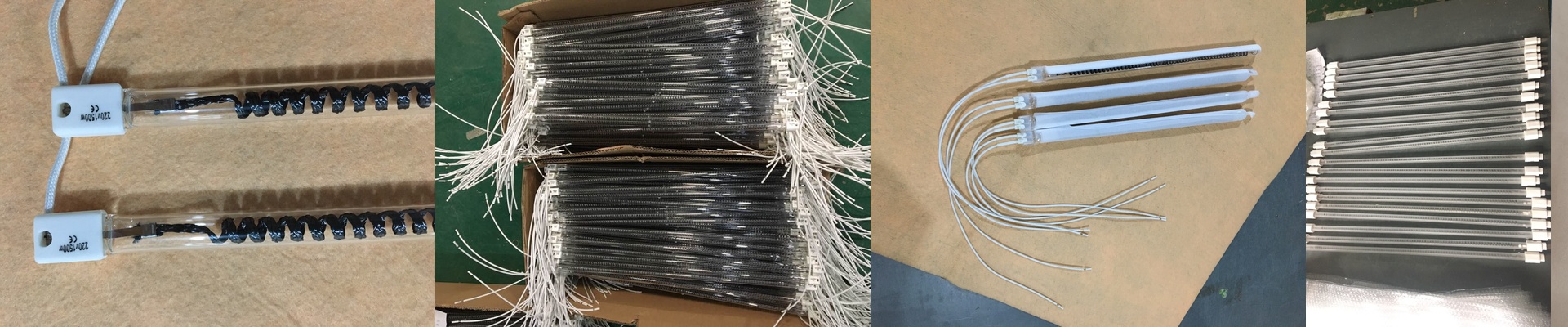
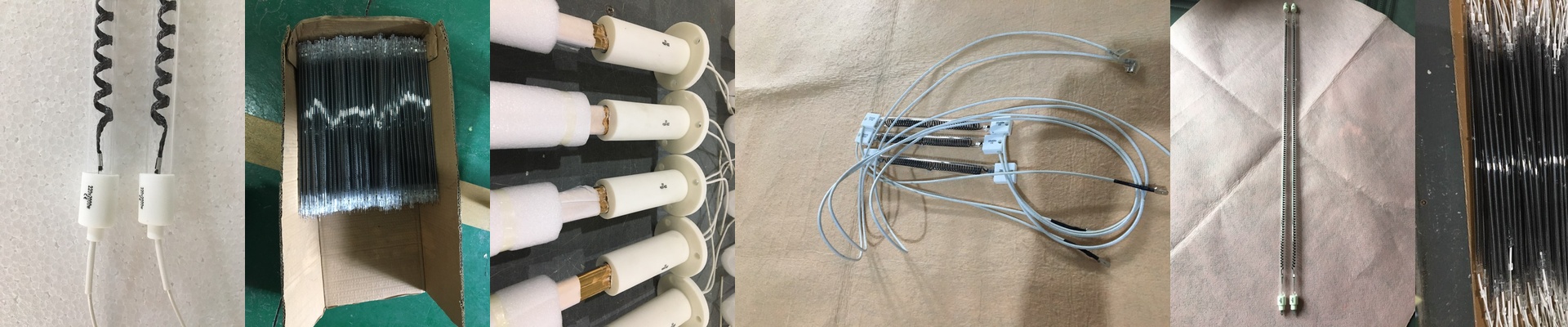
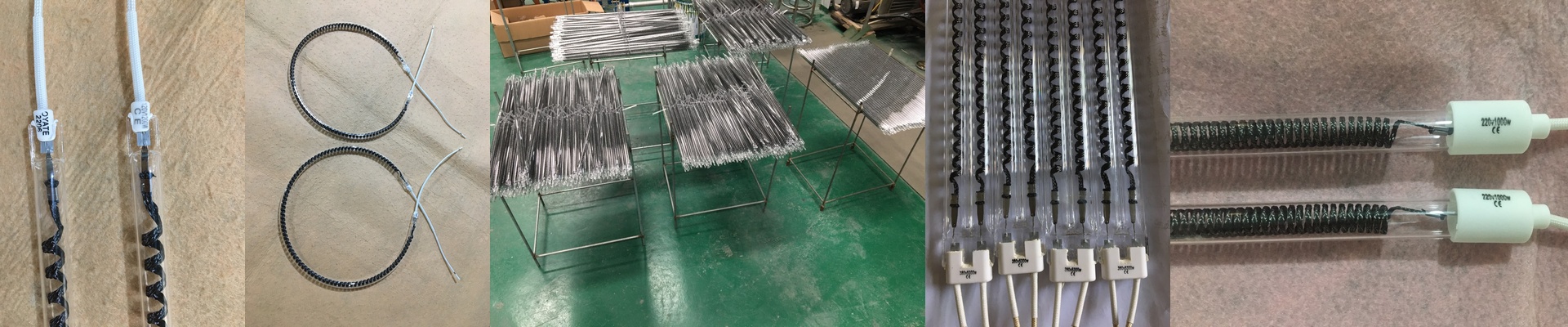
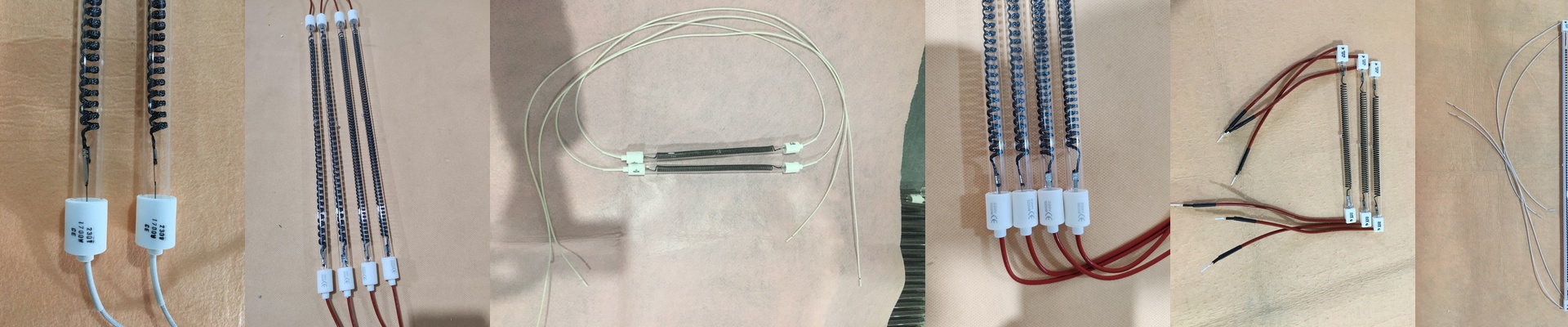
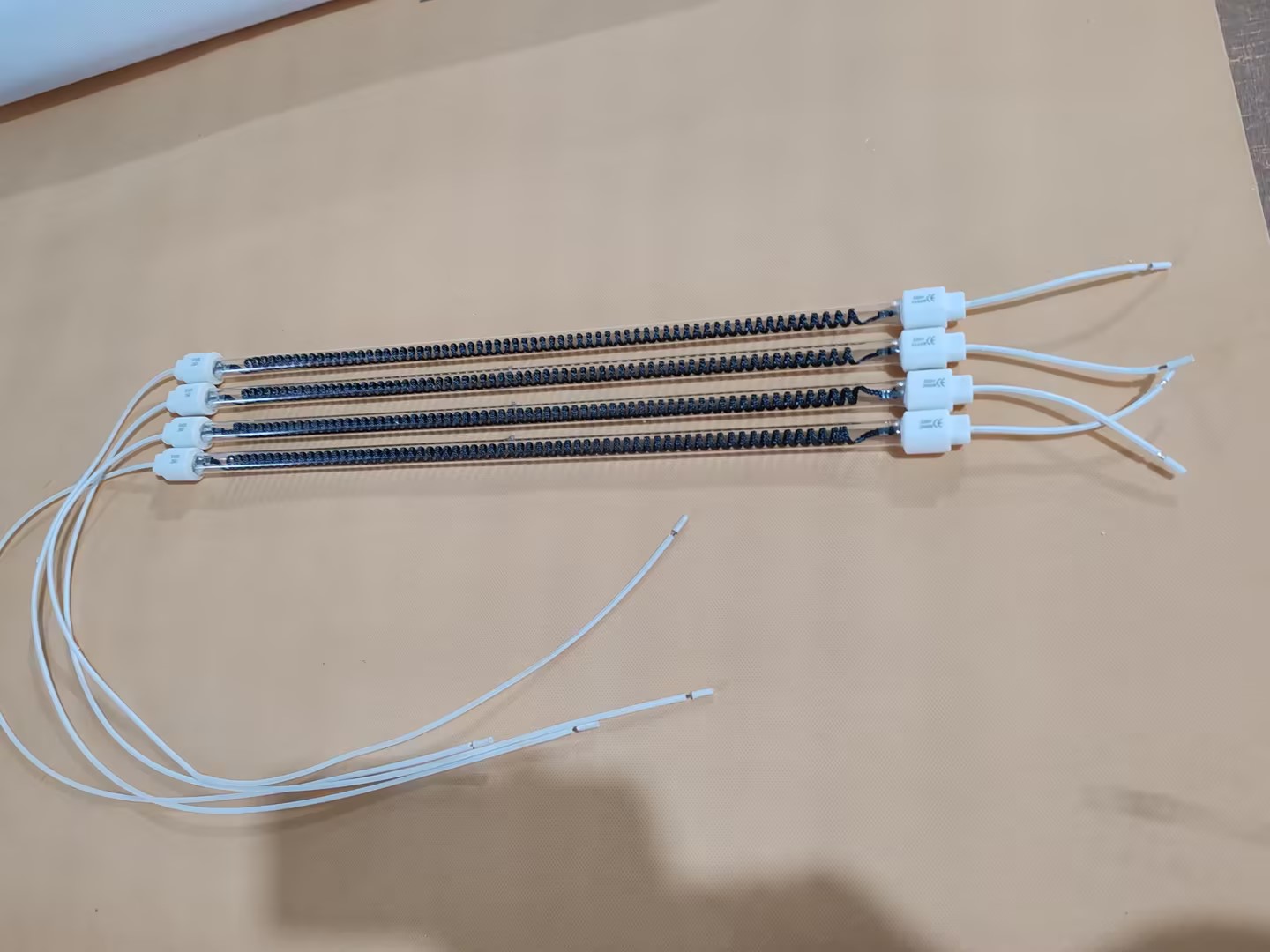
We make these OEM carbon fiber infrared heating lamps for one reason: because you need a heat source that’s tough, focused, and fits your exact space. The heart of it is a 300mm quartz tube, built to stay stable when the heat is on. Inside, you’ve got a carbon fiber filament—meaning it wakes up fast and packs serious heat into a small footprint.
Power, Voltage, and Size—Kept Practical
The standard setup is a 2500W lamp on a 400V supply. We chose that high-voltage, high-power combo on purpose. It gives you the energy density you need without demanding a bigger lamp. So you get intense heat, without taking up more room than necessary. Just keep one thing in mind: this setup needs a strong electrical foundation. Make sure your control panel and wiring are rated for 400V. And the 300mm length? It’s a common industrial size, so swapping it in is straightforward—less fuss, less downtime.
The Details That Matter: Halogen, Coating, and Connection
That carbon fiber filament sits in a halogen gas environment. Here’s the neat part: that gas helps recycle material back onto the hottest spots, which helps the lamp last longer. The quartz tube often has a specialized coating, too. It helps focus the infrared output so the energy goes where you want it—right onto the target. For the electrical connection, we use an R7s connector. It’s a double-ended pin design that stays secure, even when you’ve got constant vibration on the production floor. No wiggle. No loose contacts. Just steady, reliable power.
Why This Setup Works for Real Industrial Work
This lamp is for jobs that need precise, localized heating. Picture PET blowing, where you have to heat a specific section of the preform—fast and evenly. The carbon fiber element hits temperature almost instantly, which can help you cut down cycle time. And because the IR energy is focused, you waste less heat into the air around it. That can make your process feel cleaner and more efficient. But, and this is important: you’re dealing with serious power density. So your machine’s cooling system needs to be ready for the extra ambient heat. If you need direct, no-nonsense heating for demanding thermal applications, this is the kind of solution that shows up and does the work—day after day.