Introduction
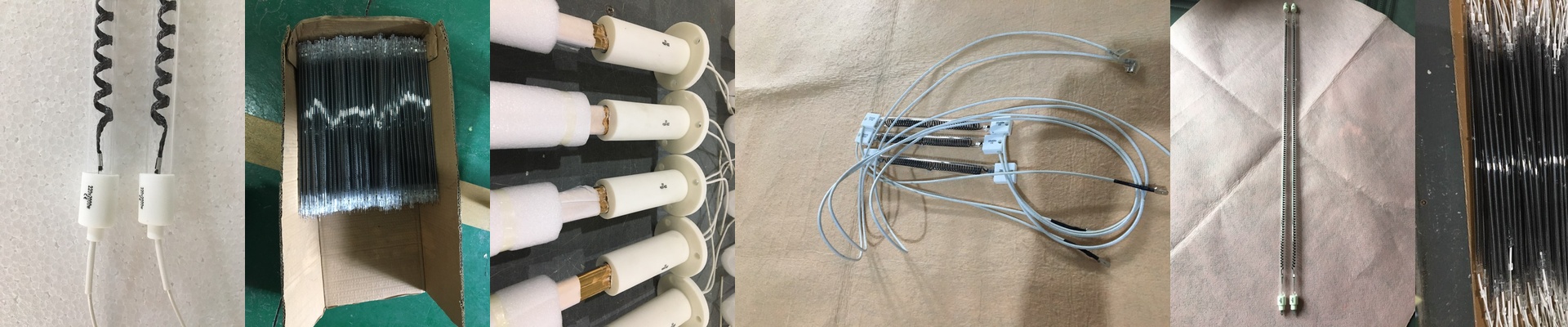
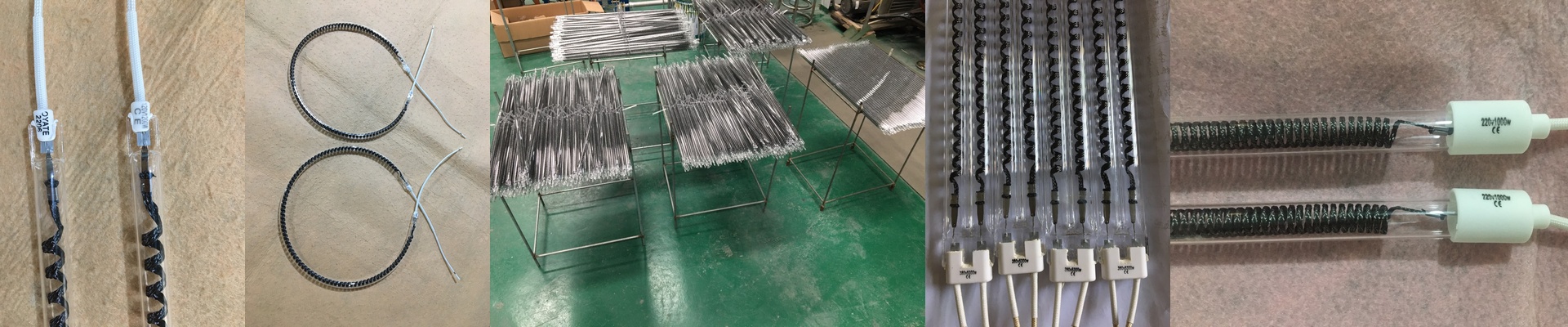
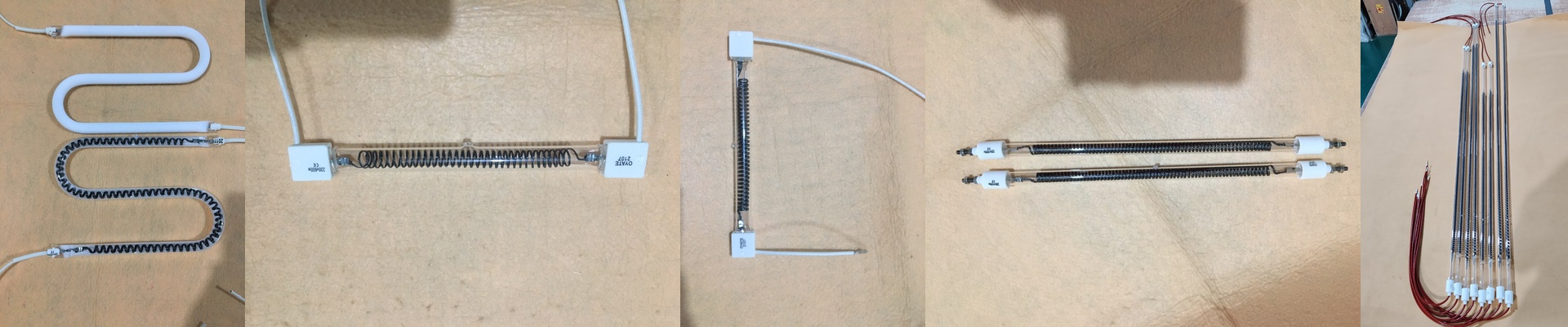
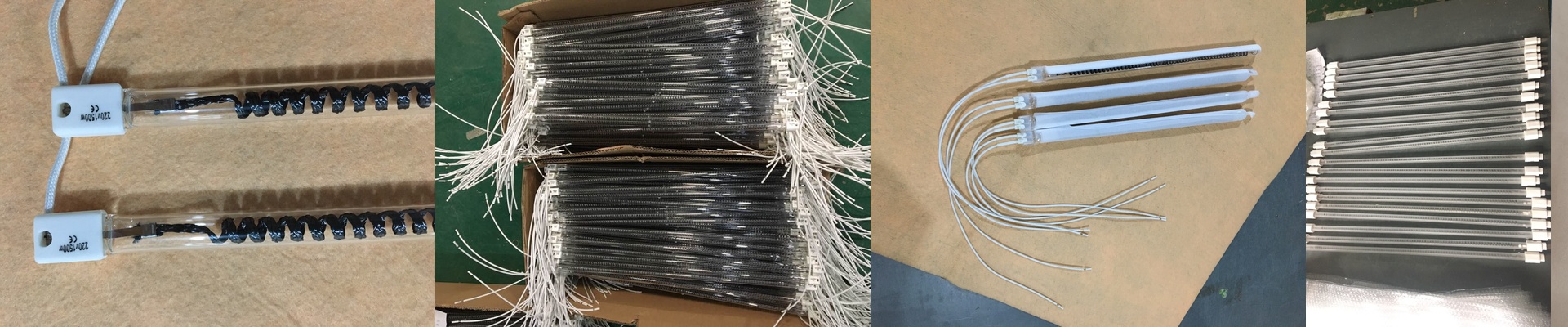
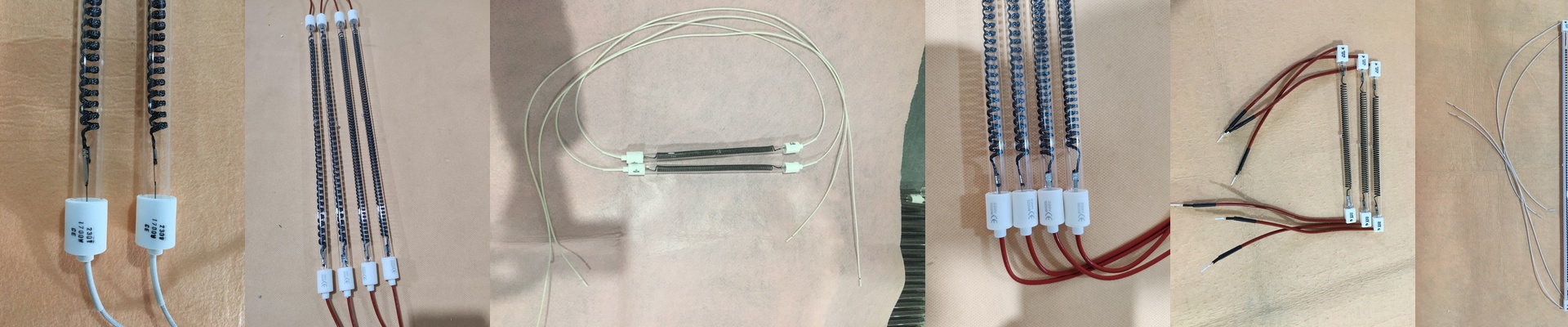
We built this 12mm Carbon Fiber Infrared Heating Lamp for the spots on the factory floor where space is at a premium and the heat has to come on strong, right away. It’s a compact beast, designed to focus infrared energy exactly where you need it, for jobs that can’t wait around.
The Nitty-Gritty
Let’s get down to the details, because they’re what make this thing work. The 12mm tube is the secret to its slim profile. It squeezes serious power into tight corners, so you don’t have to tear your whole machine apart just to fit it. We run these lamps on 400V. Why? Because that voltage packs a lot of wattage into a small package. It also keeps the current down, which means you can use smaller wiring and put less stress on your connections. The 300mm length is a smart middle ground. It’s long enough to spread the heat evenly across your target, but short enough to slip into those cramped chambers and tooling setups. And the wattage? It’s perfectly matched to the tube and voltage to give you the heat density you need, without pushing the element too hard.
What It’s Made Of
Carbon fiber is the heart of this lamp. It’s why it heats up so fast and stays rock-solid stable. The filament has high resistivity but is still lightweight, so you get that quick thermal response and consistent output every single time. Then there’s the quartz envelope. It can handle the shock of rapid on-off cycling and keeps the filament safe from the air. And the R7s connector? That’s not just a detail. It’s a direct, two-ended bayonet-style fit that makes this lamp a simple swap-in for existing fixtures. Wire it once, and the lamp just clicks into place with a reliable, clean connection.
Where It Shines
This setup is for the jobs that demand heat on demand, with almost no lag. Think plastic processing, curing coatings, drying components—anything that needs to be fast. The concentrated infrared beam puts the heat right where you want it, giving you better control and wasting less energy. A 400V, high-wattage lamp throws off a lot of heat. So, you’ve got to make sure your machine’s cooling and thermal management are up to the task. Plan your airflow and mounting with that in mind, and you’ve got a heat source that’s tough, dependable, and ready for the daily grind on the shop floor.