A No-Nonsense Guide to Carbon Fiber Heat Tubes
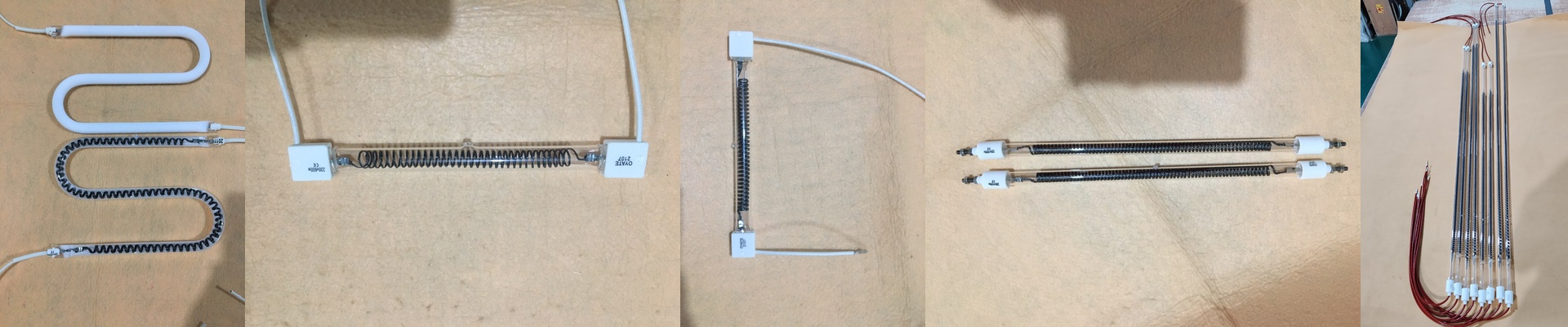
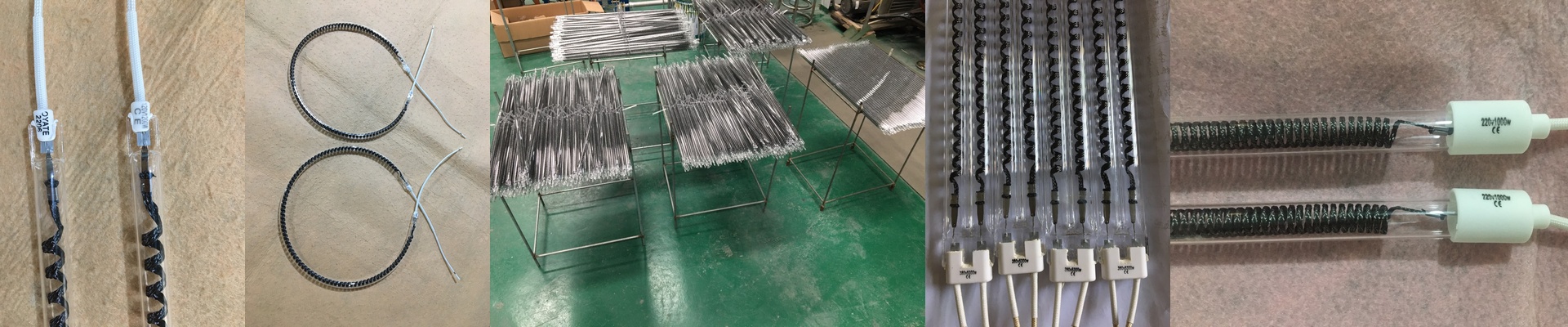
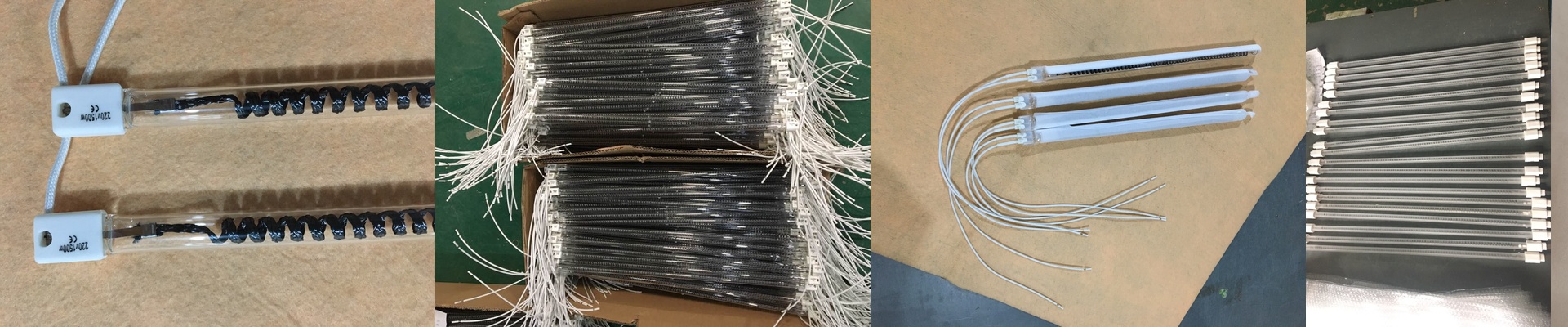
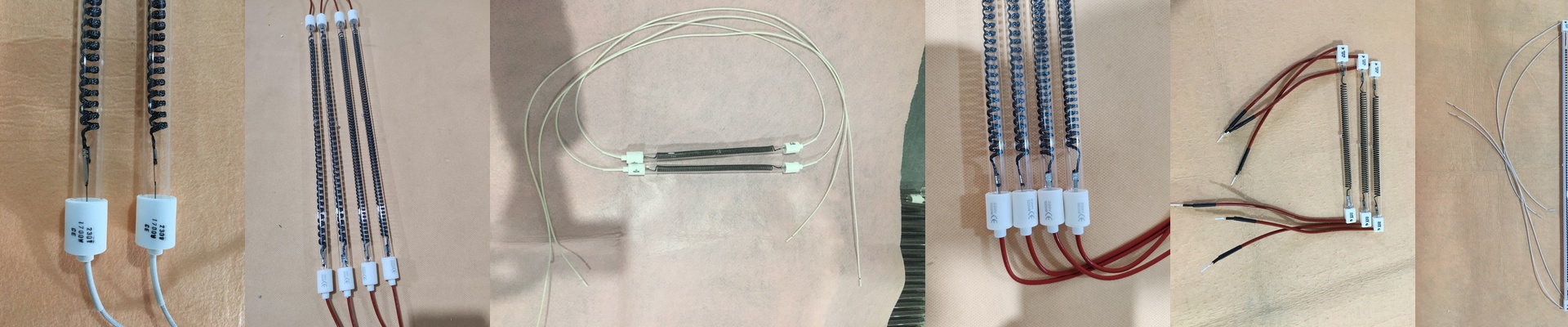
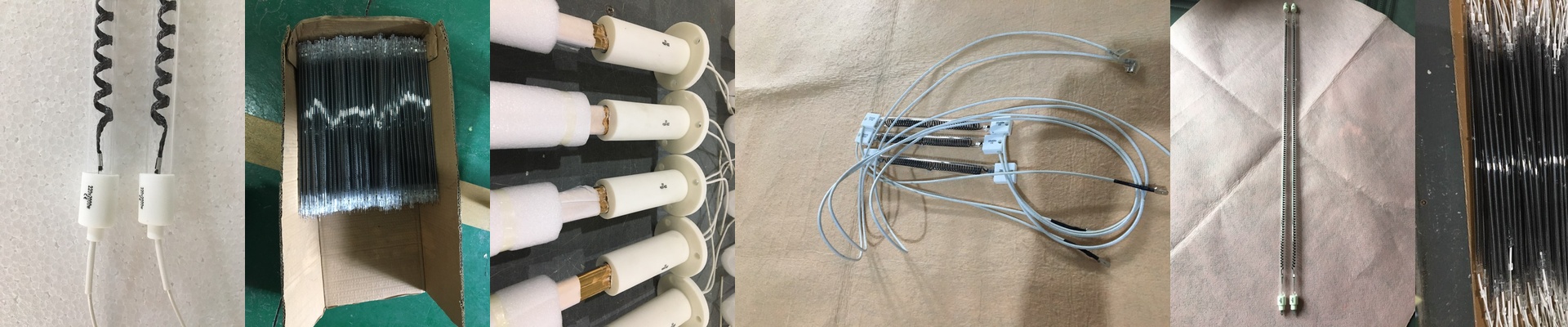
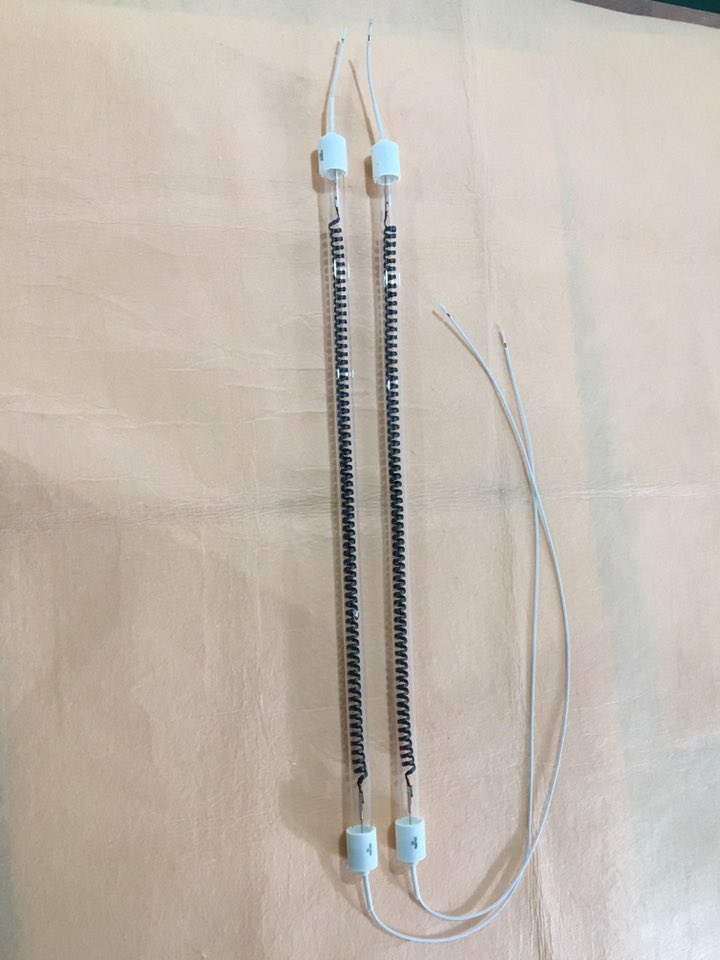
Think of carbon fiber heating tubes as the sprinters of the heating world. Instead of waiting around for a heavy metal alloy to slowly warm up, these use carbon filaments to hit their target temperature almost instantly. If your process needs a fast thermal response and a specific kind of infrared heat, these are your best bet. Getting the power right Here’s the thing: the heat you get depends entirely on how thick the filament is and how long the heating zone runs. With a high-wattage setup, you’re looking at target temps in a matter of seconds. It’s incredibly fast. But you’ve got to be careful with your power supply. If the voltage doesn’t match, you’re asking for trouble. You’ll either end up with a tube that barely puts out any heat or, worse, you’ll burn the filaments out completely. And a quick tip: don’t go overboard on the power density. If you do, the ends of the tube can overheat, which might warp your housing or reflectors. Just make sure your gear is rated for the wattage you’re throwing at it. The build and the “gotchas” We wrap those carbon filaments in high-purity quartz. It’s a protective shell. Without it, the carbon would hit 400°C, oxidize, and just snap. When you’re installing them, pay close attention to the connectors. You want a tight, secure fit. If the connection is loose, you’ll get “hot spots” that can actually melt your sockets. It sounds small, but it’s a headache you don’t want. Where they shine (and where they struggle) You’ll see these all over PET blowing and curing ovens because the heat penetrates deep into the material. Plus, if you’re still running old halogen systems, these usually slide right in as a replacement. But wait—there is a catch. Carbon fiber is fragile. It can handle the heat, but it hates being shaken. If your machine vibrates a lot, those filaments will fracture. To stop that from happening, use dampened mounts. Give the tubes a bit of a cushion, and they’ll last much longer.