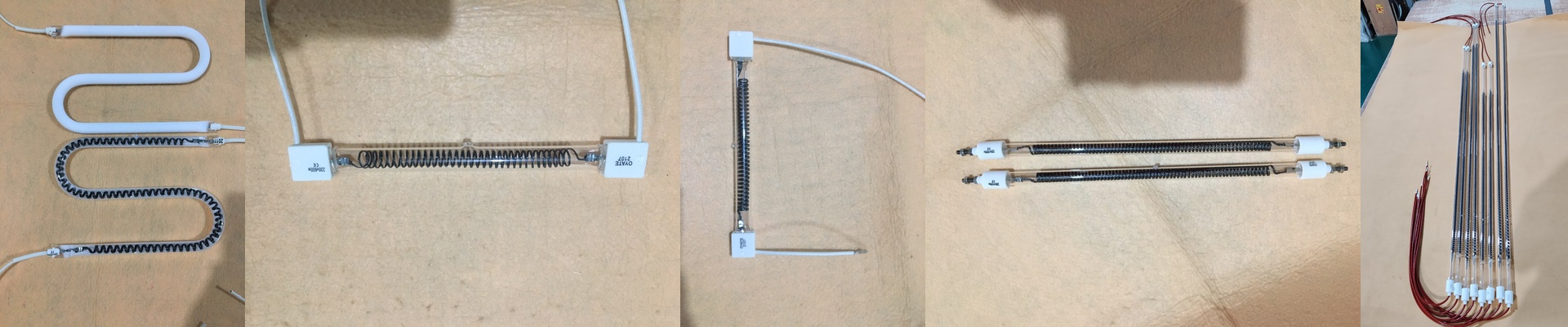
Let’s Talk Carbon Fiber Infrared Heating
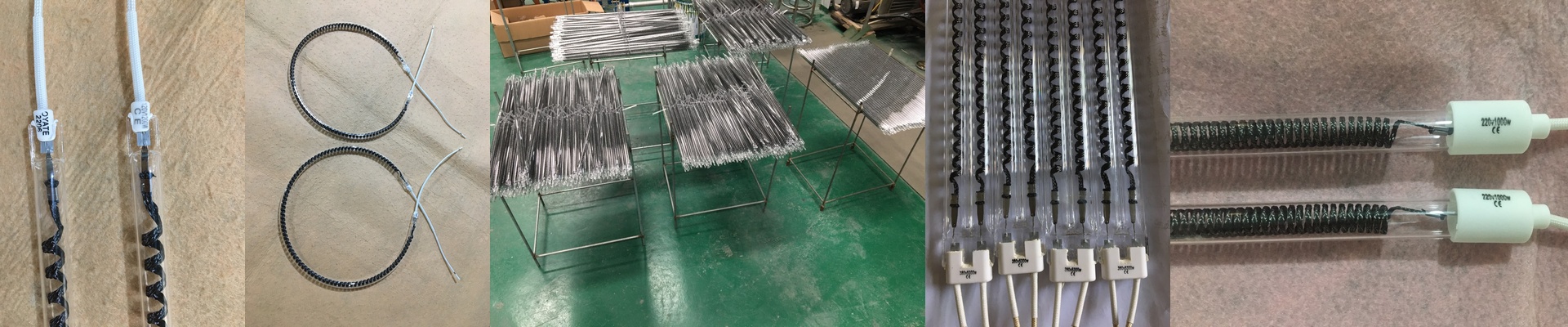
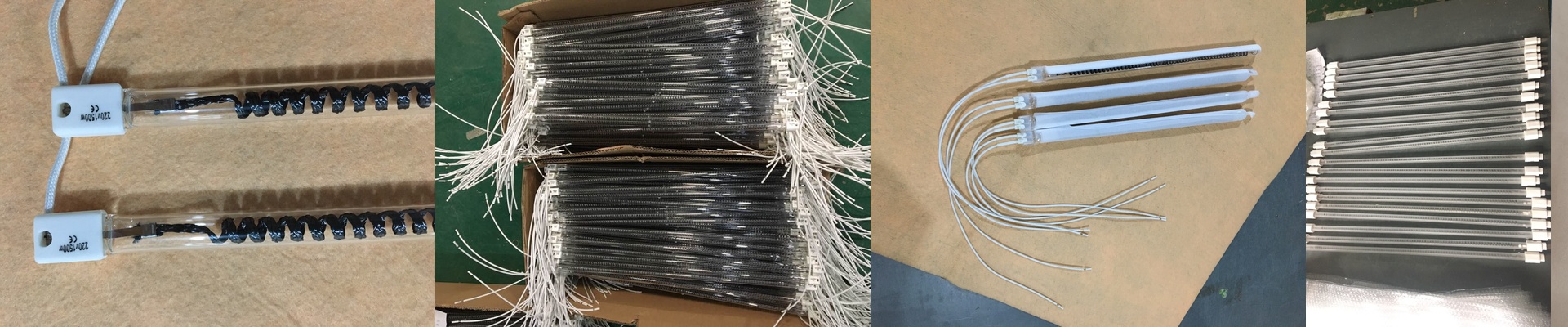
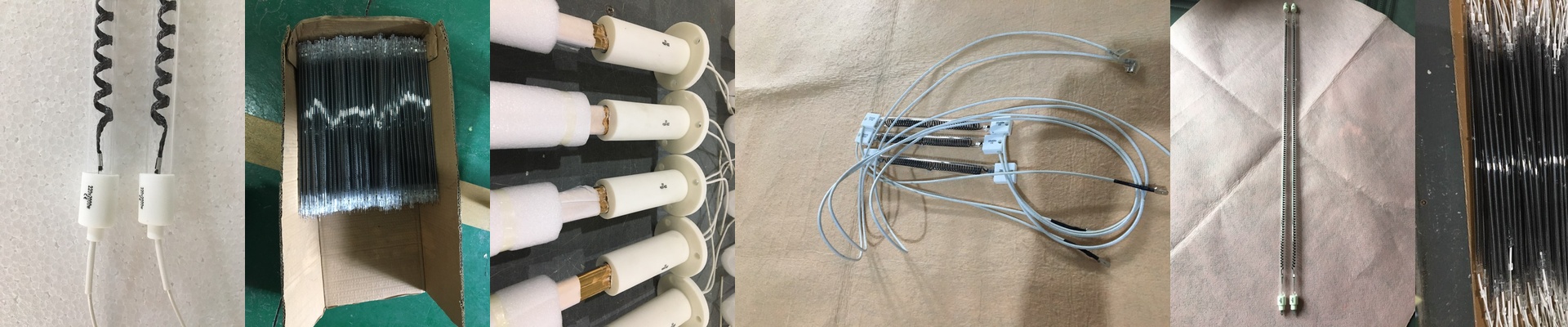
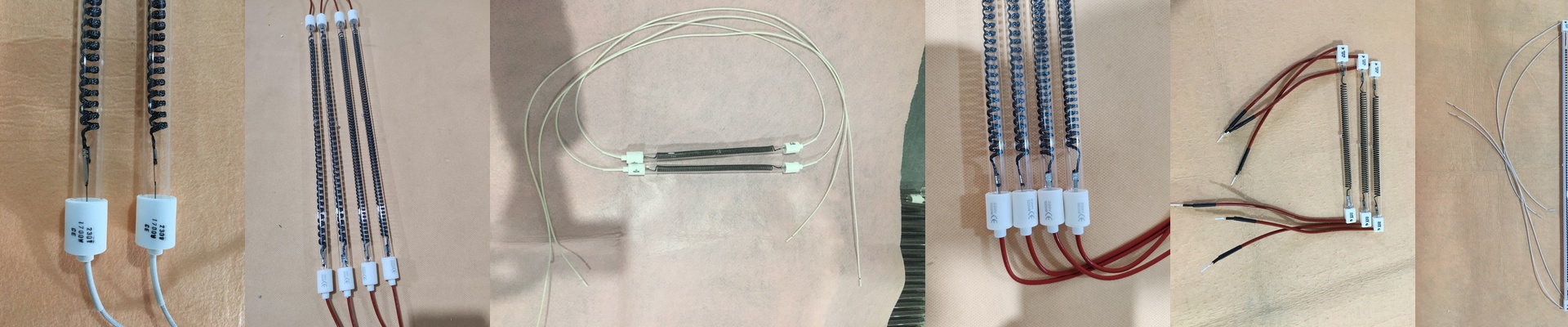
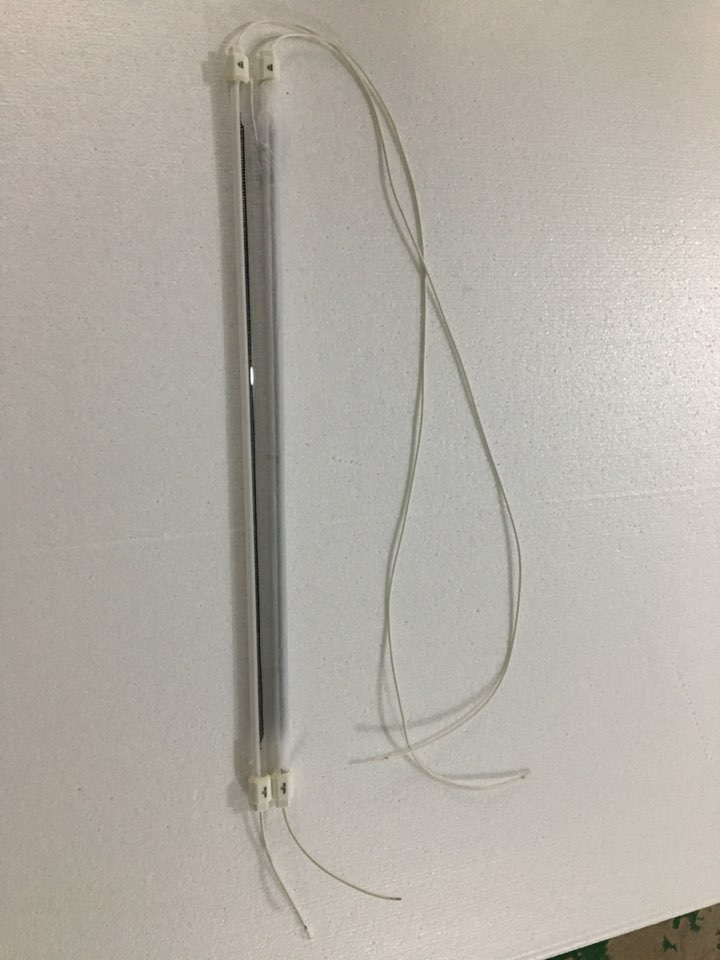
Here is the basic deal: we take a carbon fiber filament, tuck it inside a quartz glass tube, and run a current through it. If you’ve used old-school metal coils, you know they can be spotty. Carbon fiber is different. It spreads the heat evenly across the whole tube, which is exactly what you want when you’re aiming for that high-intensity, shortwave radiation. Getting the power right These things are built for speed. They ramp up fast. But here’s the catch—if you’re setting up a high-output line, you have to be careful with your voltage and tube length. If you get it wrong, you’ll end up with hotspots. And since high-wattage tubes put out a massive amount of heat, you can’t ignore your cooling system. If your wiring isn’t rated for that kind of heat soak, your components are going to fry way sooner than they should. It’s just common sense. The build and the bits We use a quartz envelope for a reason. It protects the filament but lets the shortwave IR slide right through without getting trapped. Some of our versions even have a special coating—either to tweak the emission spectrum or just to keep chemical splashes from ruining the glass. As for the plugs? We stick with standard R7s or Sk15 connectors. It makes life easier. When a tube goes, you just pop it out and drop a new one in. No need to tear apart your whole wiring bank. Where this actually matters You’ll see these in PET blowing, powder coating, and curing automotive paint. The shortwave heat hits the surface and sinks in fast, which means your cycle times drop. Plus, carbon fiber handles the “stress” of being turned on and off constantly much better than tungsten does. It doesn’t expand and contract as violently, so it just lasts longer. If you’re running a high-speed line, these are a lifesaver. You can get the same results as a giant convection oven but with a much smaller footprint on your shop floor.