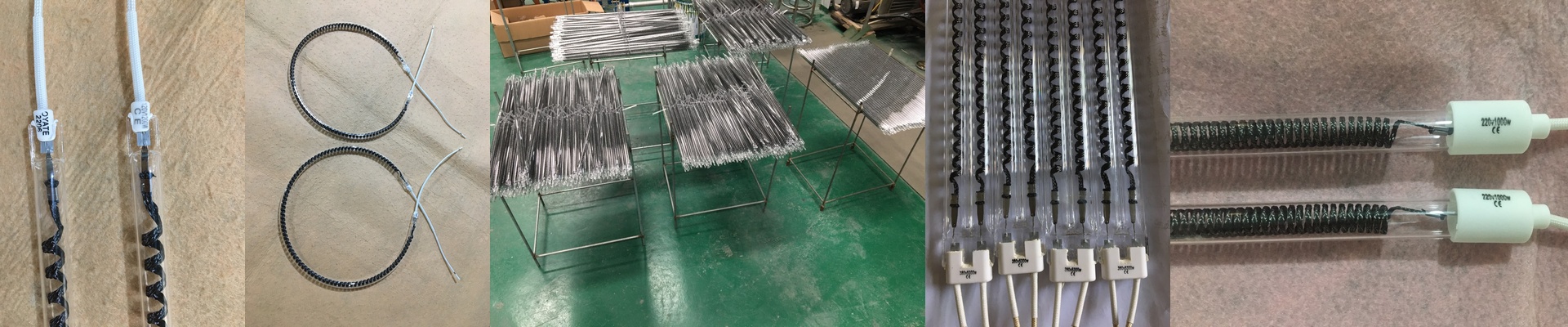
The Carbon Fiber Infrared Tube: Your Secret Weapon for Fast, Focused Heat
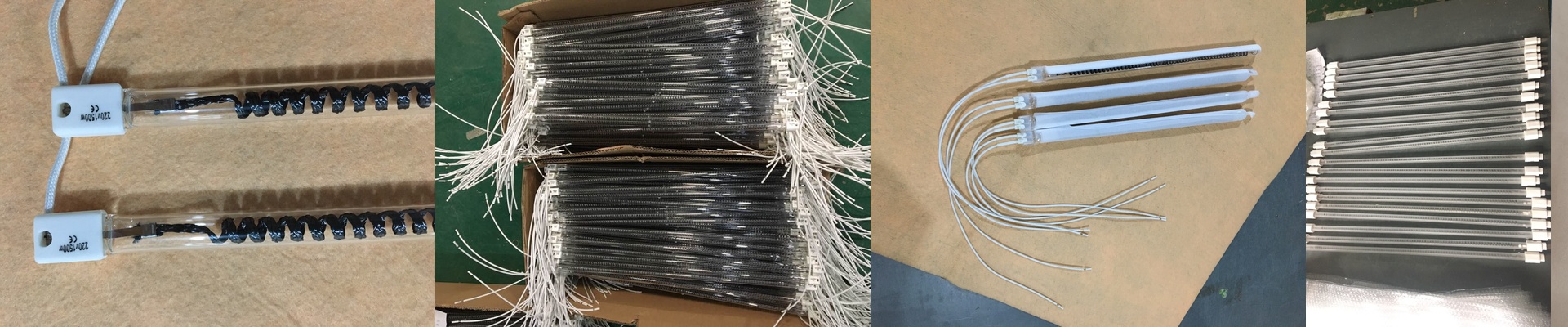
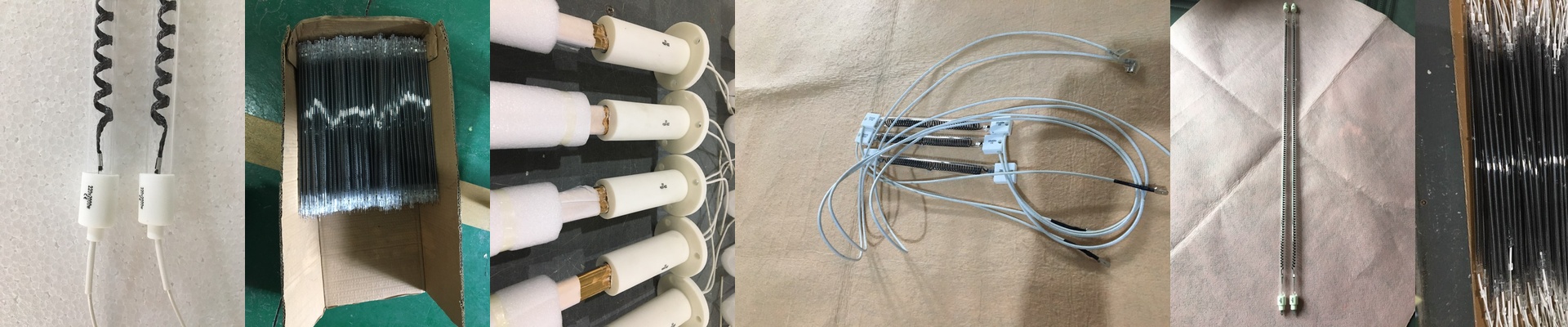
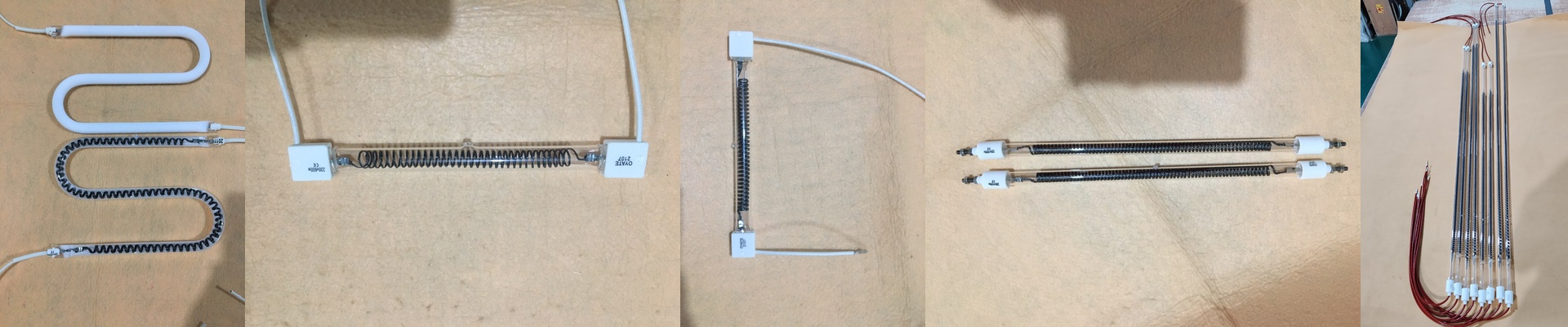
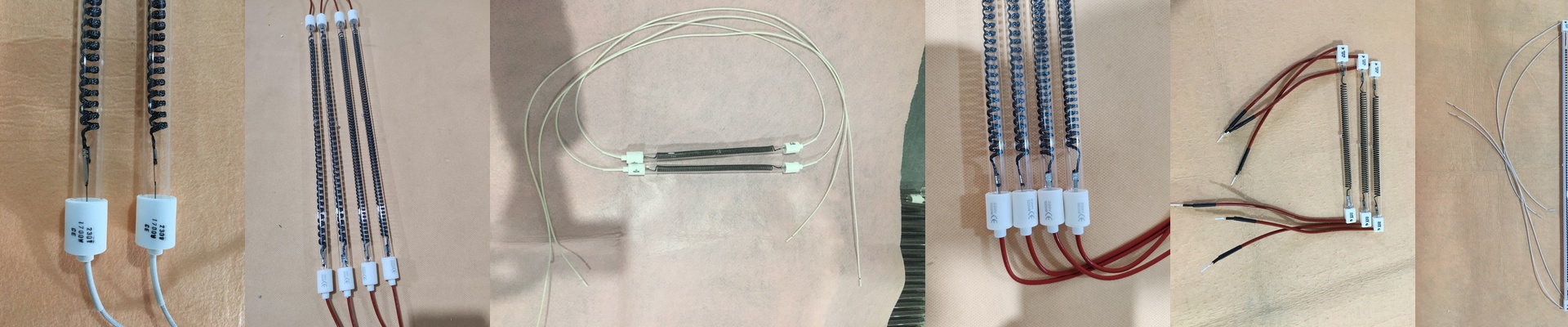
Let’s talk about a piece of tech that’s all about getting straight to the point. We built the carbon fiber infrared tube to be a direct-response heating element for industrial settings. Think of it as a precision tool, not a general-purpose lamp. It’s for the moments when you need to heat a specific spot, and you need it done now.
Power, Voltage, and Size: The Details That Matter
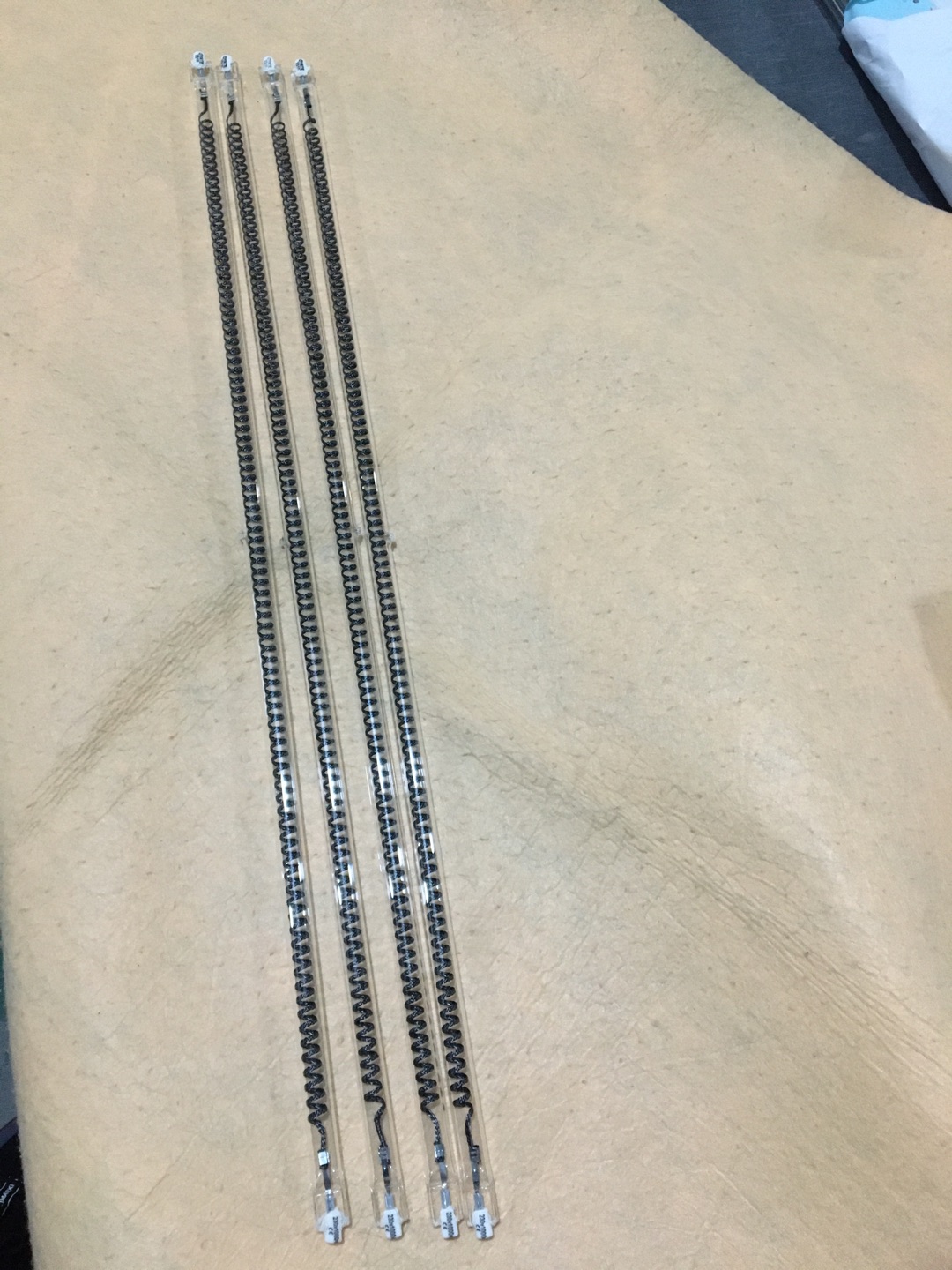
Here’s the thing about this tube: it’s all about power density. We pack a 400V, 2500W punch into a compact 300mm length. That’s a lot of heat concentrated in a small space, perfect for jobs that demand immediate, high-intensity heat. And the 400V input? That’s a smart move. It lets you run the unit on higher line voltages, which cuts down on the current draw. The result? You can run multiple tubes without worrying about tripping circuits. The 300mm length isn’t an accident. It’s designed for focused heating zones, giving you a small footprint that fits into tight spaces. But, with that kind of power comes a trade-off. The heat is intense. So, you’ve got to make sure your machine’s cooling and shielding are up to the task.
Built to Last: The Halogen Cycle and Smart Design
Inside, the tube relies on a halogen cycle to keep its output steady. The halogen gas inside the quartz envelope stops the filament from degrading as quickly. That means you get consistent heat and light over the life of the lamp. Fewer burnouts, less downtime. The quartz envelope itself is coated to fine-tune the infrared spectrum, directing the energy right where it’s most effective for your material. And the R7s connector? It’s a double-ended linear fitting that gives you a secure, high-temperature-rated connection. It’s an industry standard for a reason—it’s easy to wire up and holds up under the constant thermal cycling.
Built for the Grind: Where It Shines
This tube is tough. It’s built to take a beating in industrial environments. You’ll find it hard at work in PET blowing, plastic welding, and curing lines—places where precise, rapid heating isn’t just a nice-to-have, it’s essential. The combination of high power density, stable output, and the reliable R7s connection makes this a drop-in replacement you can count on. But, and this is important, that high power comes with a catch. You’ve got to plan for proper thermal management. The surrounding equipment needs to be ready to handle the radiated heat. When you choose this tube, you’re buying speed and focus—just make sure you’re prepared for the heat that comes with it.