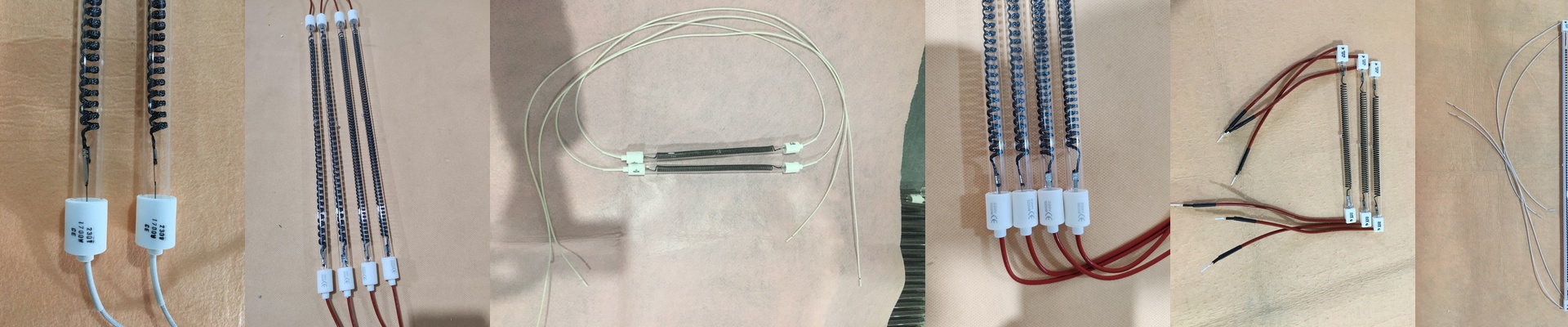
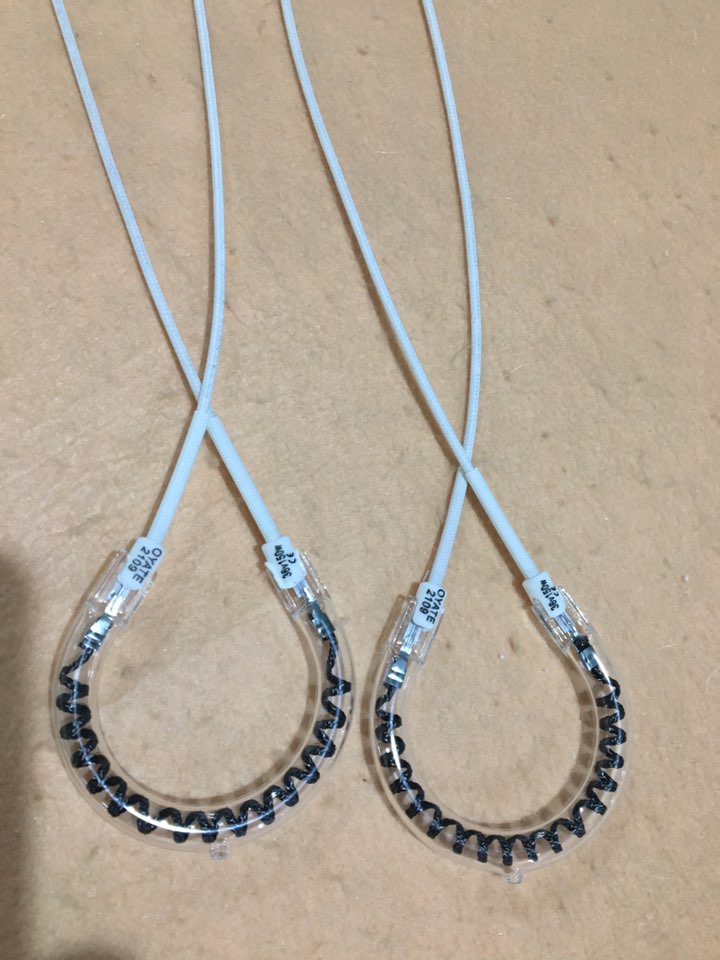
Let’s Talk Carbon Fiber Infrared Lamps
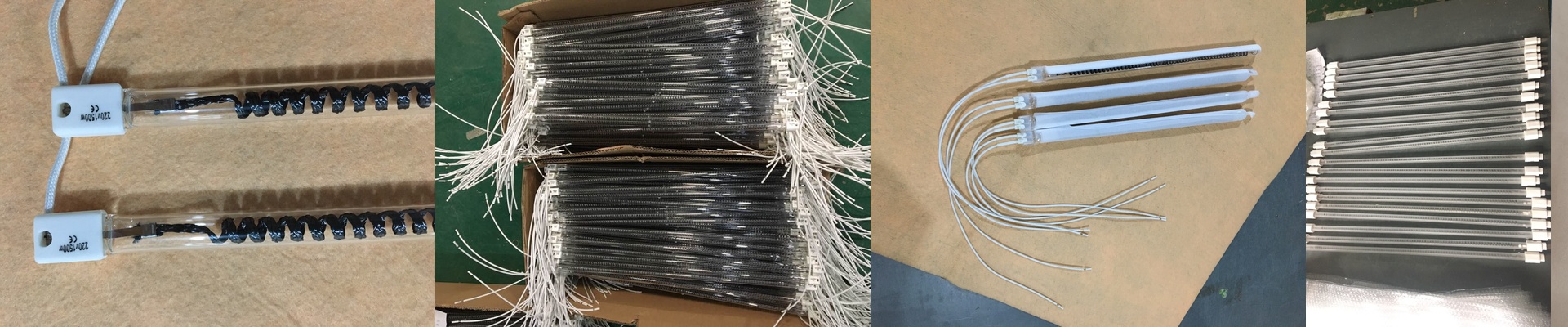
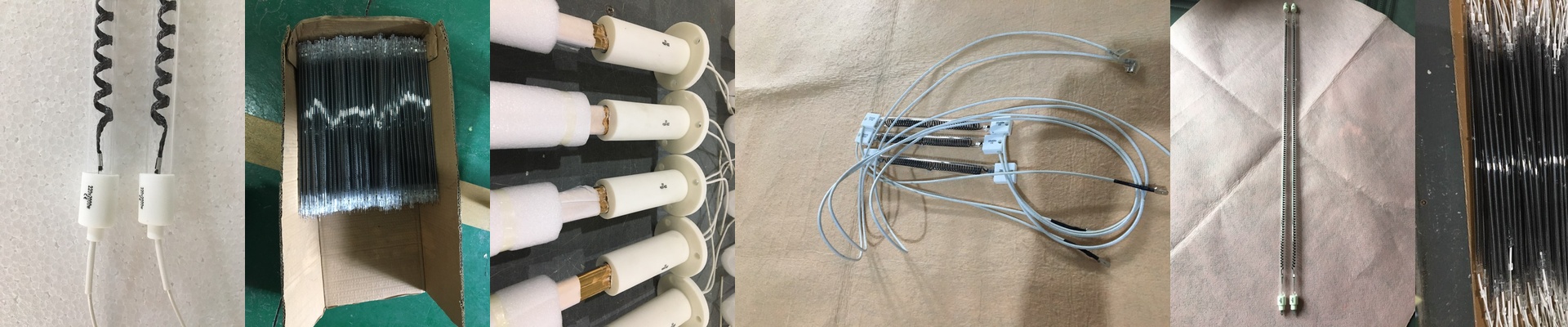
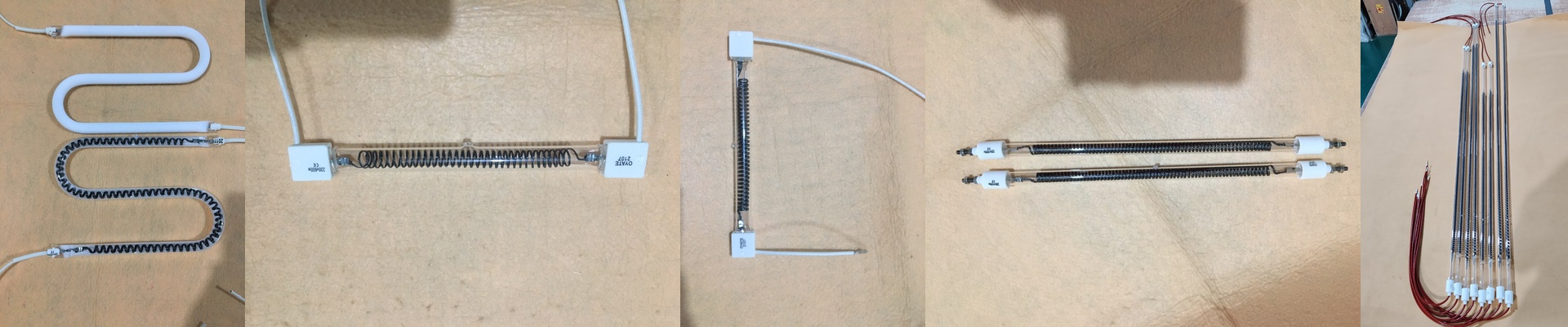
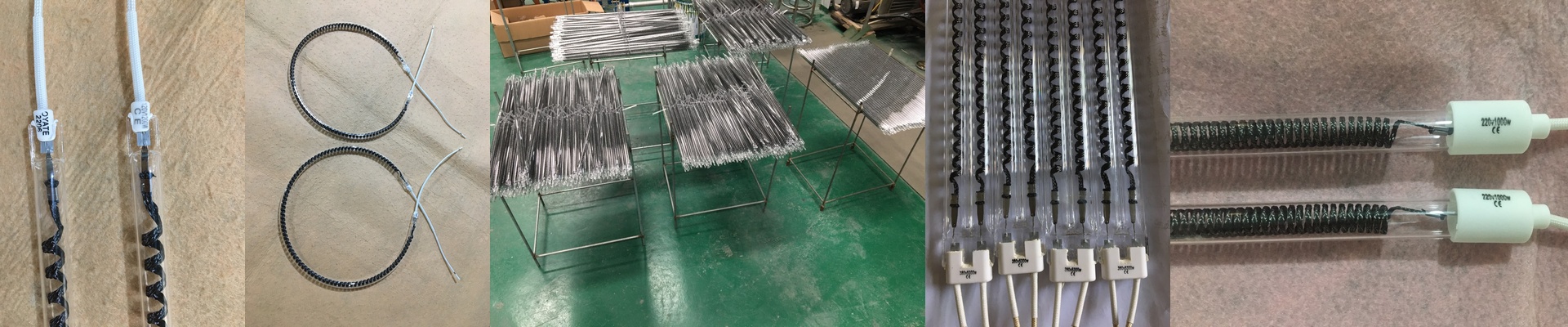
If you’ve ever messed around with old-school metal coil heaters, you know they can be a bit sluggish. Carbon fiber lamps are a different beast. They use a carbon filament tucked inside a quartz tube to blast out short-wave infrared radiation. The big win here? They get hot fast. Like,really fast.
Getting the Power Right
When we’re putting these together, it’s all about the balance of power and length. If you cram high wattage into a short lamp, you get a massive hit of heat flux. Here’s a pro tip: we often run these on 400V systems. Why? Because it lets us push more power without cranking the current so high that your wiring starts to melt. Just make sure your power supply actually matches what the lamp needs. If you get this wrong, you’re just paying to burn out your bulbs.
The Build and the Fit
The quartz glass isn’t just for show—it keeps the carbon filament from oxidizing and dying. Sometimes we add special coatings to the glass to bounce the heat back toward your workpiece instead of letting it soak into the machine frame. It’s a lot more efficient that way. As for the connections, we stick with R7s or Sk15 bases. They’re basically plug-and-play for most industrial ovens. They snap in tight and stay put, even when your factory floor is vibrating like crazy.
Where They Work (and Where to Be Careful)
You’ll see these things everywhere—PET blowing, curing paint, welding plastics. Because it’s short-wave heat, it sinks into the material way faster than just blowing hot air around. But there’s a catch. Since these lamps pack so much heat into one spot, your housing and cooling fans have to be up to the task. If the air around the ends of the lamp gets too hot, the quartz will literally crack. Keep your airflow steady, and your lamps will last a whole lot longer.