Getting Carbon Fiber Heating Right for Industrial Loads
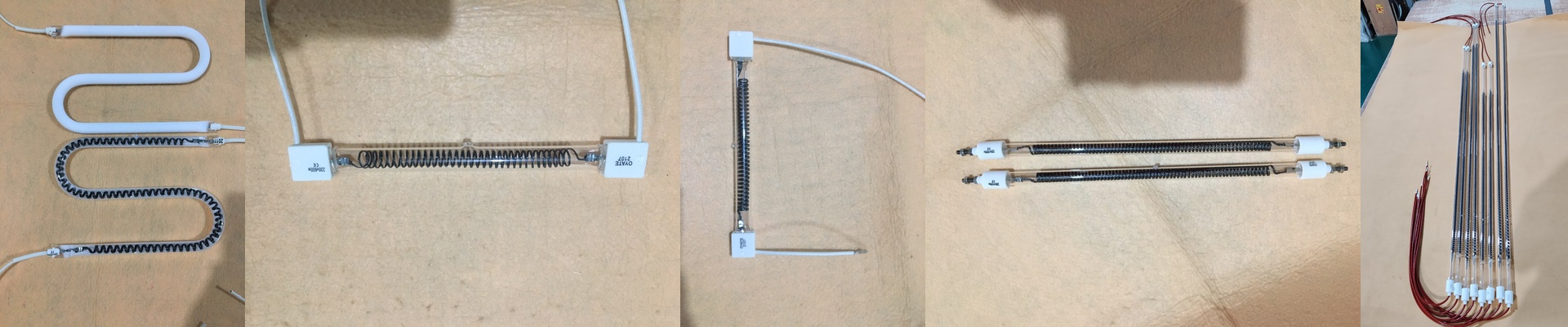
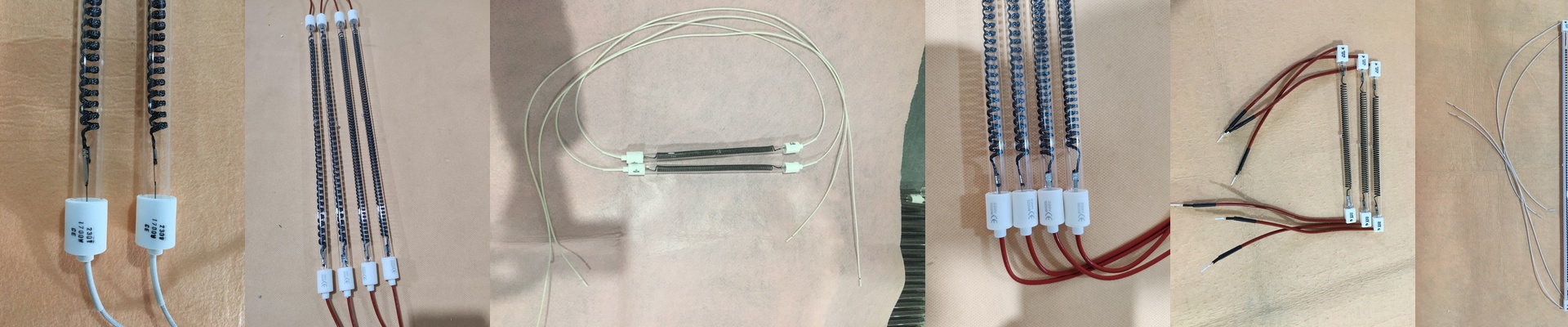
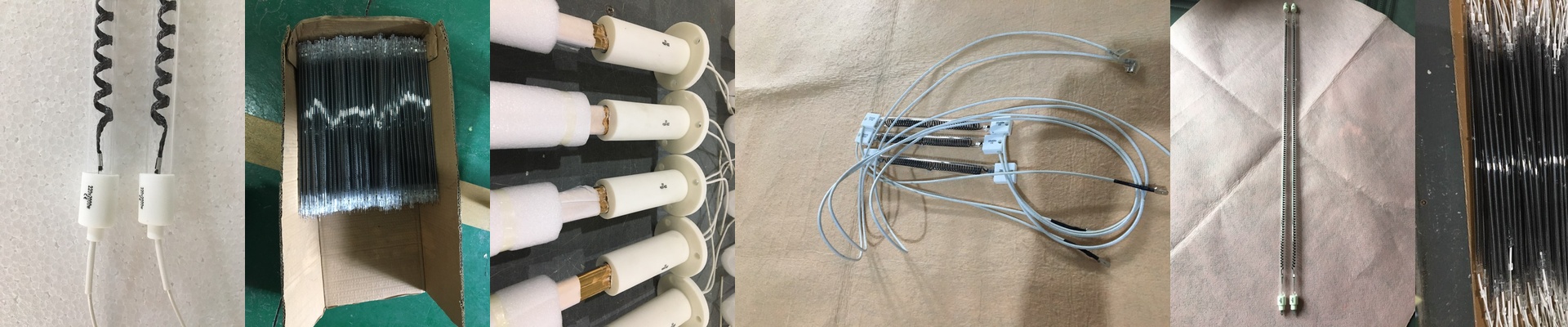
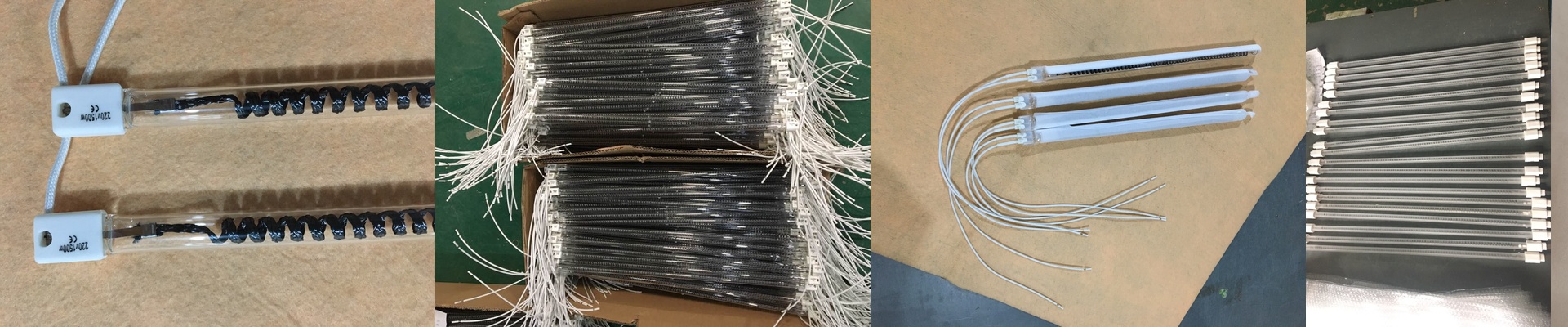
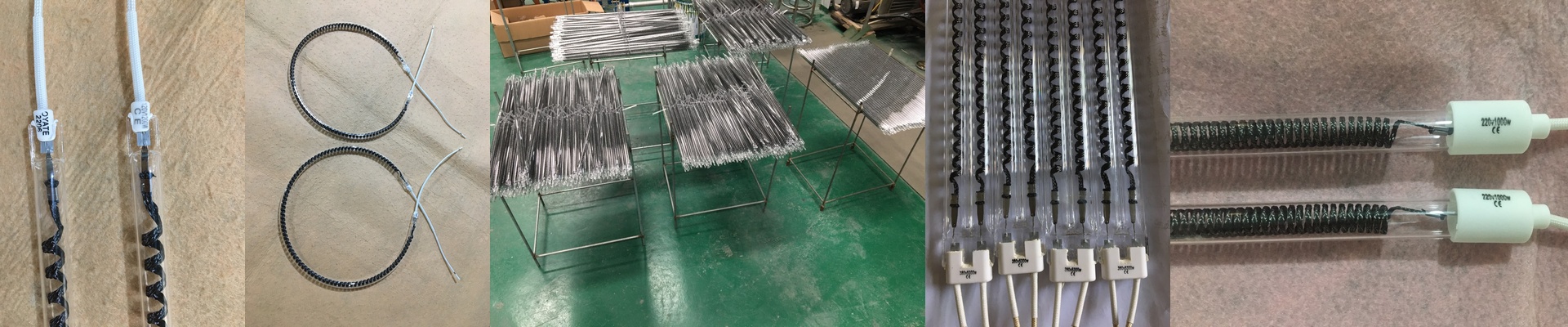
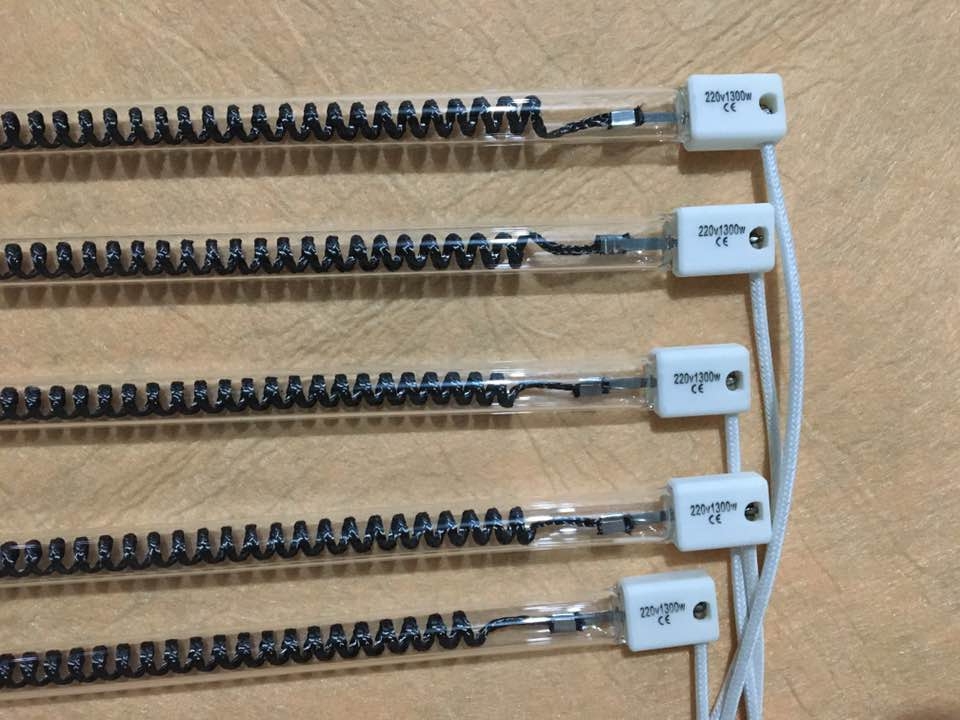
Here is the deal with carbon fiber heating: it’s basically just resistive heating. You run a current through carbon filaments, and you get this intense infrared radiation. The cool part? You can hit much higher temperatures than you would with old-school metal alloys, and you aren’t burning through nearly as much power. Dialing in the heat When we build these, we look at exactly how much heat your workpiece actually needs. We play around with the filament density and the winding pitch to get the wattage per centimeter just right. If you’re doing something like PET blowing or curing, you need that heat to ramp up fast. High-wattage setups do exactly that. But be careful—you’ve got to match your power supply to the element’s resistance. If you try to shove too much current through a low-resistance filament, you’re going to fry the connection points. It’s that simple. The build and the “danger zones” Inside, we’ve got high-purity carbon fibers tucked into a heat-resistant matrix or wrapped in quartz. This keeps the oxygen out and stops shop-floor grime from ruining the filament. The real trick is in the end-caps. These things have to breathe. Metal and glass expand when they get hot. If those connectors are too tight, the glass just snaps. Too loose? You’ll start seeing arcing. It’s a bit of a balancing act. The trade-offs you should know about One huge win is the size. These are way smaller than those clunky forced-air heaters, so you can put the heat source right where you actually need it. But here’s the catch: carbon fiber is brittle. It doesn’t like to be beaten up. If your machine has a lot of vibration or “chatter,” those elements will crack. You’ll want to design your mounting brackets to soak up that shaking. And because the heat is so concentrated, don’t forget your cooling fans. If they aren’t spec’d correctly, your housing is going to overheat. Oh, and use high-temp leads for the wiring. Trust me, you don’t want to deal with melted insulation.