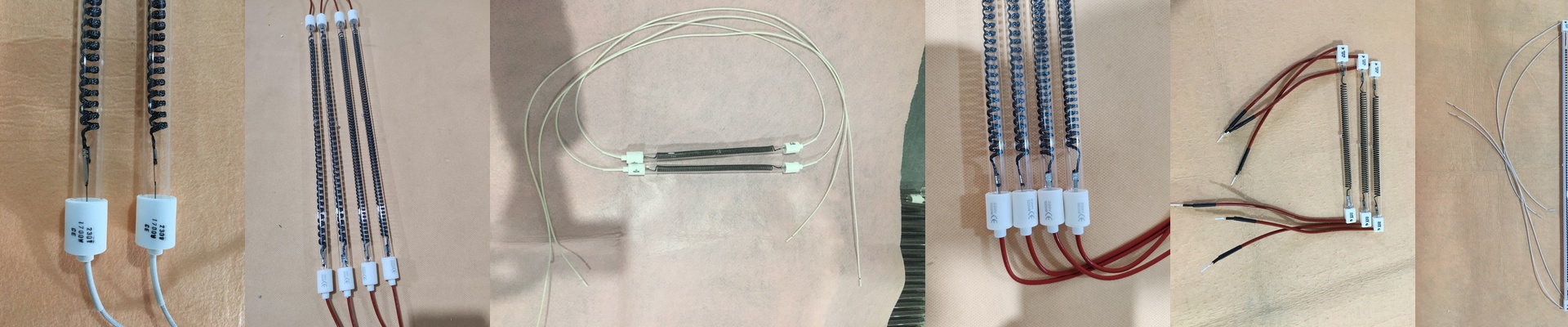
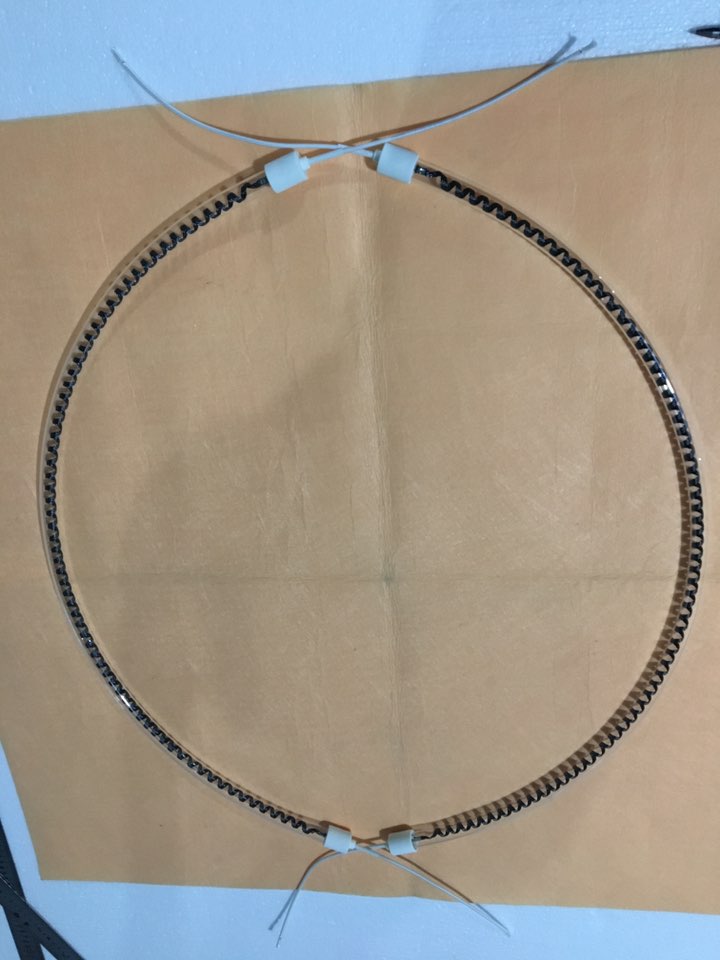
Let’s Talk Carbon Fiber Quartz Heating Tubes
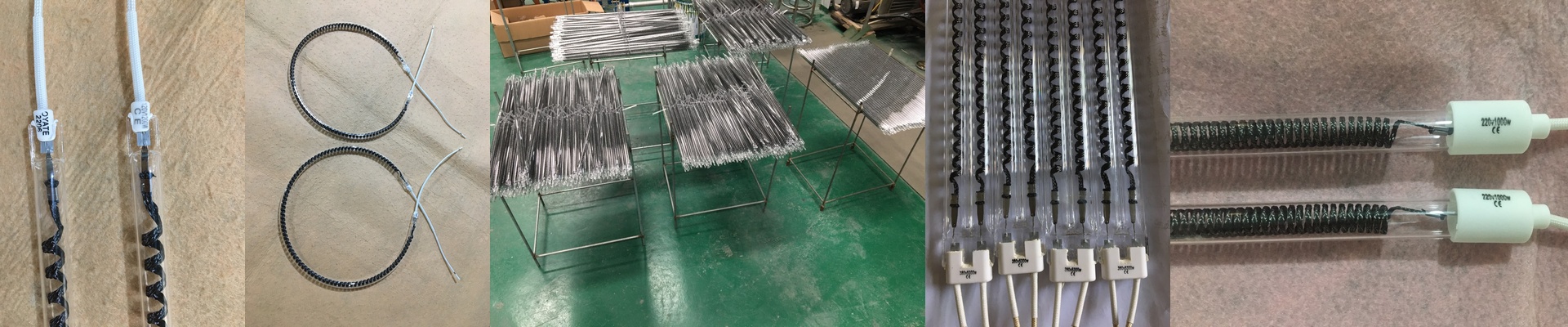
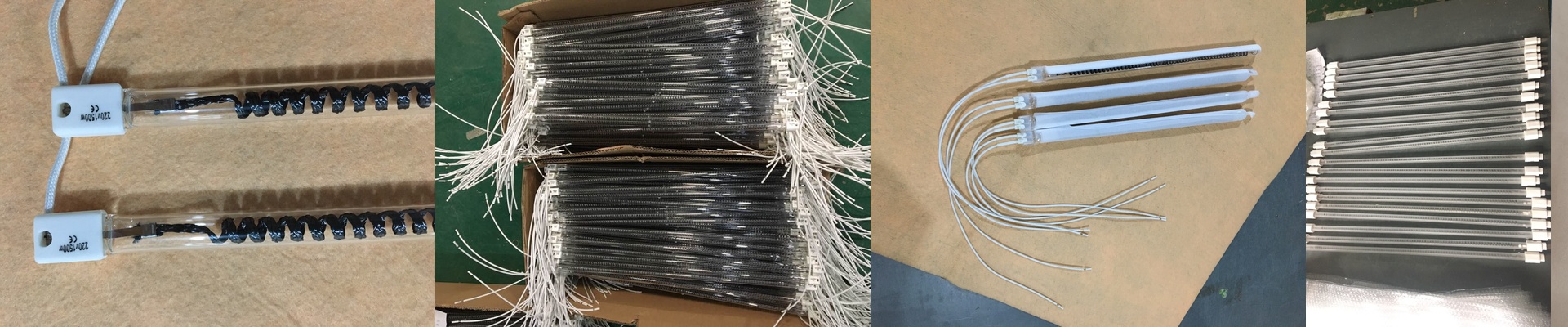
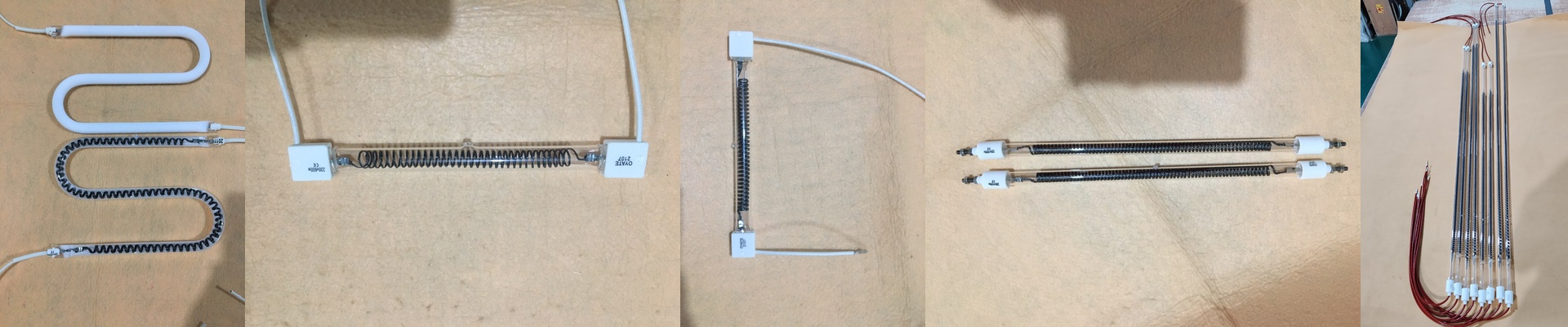
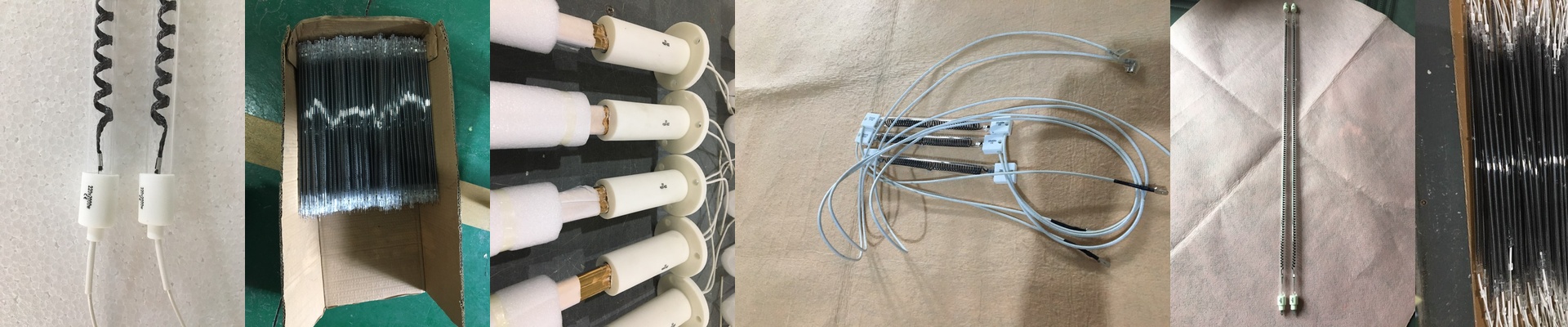
Here is the deal with these tubes: they basically use carbon fiber filaments tucked inside high-purity quartz. We go with carbon fiber because it handles current way better than old-school tungsten. The result? It warms up almost instantly. Plus, it puts out a specific kind of infrared heat that actually sinks into polymers instead of just bouncing off the surface. Getting the power right When you’re picking your voltage and wattage, you’re essentially deciding how “aggressive” the heat is. If you cram a lot of wattage into a small tube, you get an intense blast of heat. It’s great for speed, but it puts a real strain on your power supply. Just a heads-up: if you’re using high-voltage versions, double-check your wiring. You don’t want your terminals burning out because the current peaked too hard. The build and the “why” The quartz glass isn’t just there for looks. It keeps the carbon filament from oxidizing (which would kill the tube) and acts as a thermal shield. We usually use R7s or Sk15 end-caps. They aren’t just for a snug fit—they stop electrical arcs and keep the tube from rattling loose when the machine starts vibrating. And if you’re working with materials that reflect heat, we can add a special coating. It shifts the emission from shortwave to medium-wave so the heat actually sticks. Real-world use (and the pitfalls) You’ll see these all over PET blowing and shrink-wrap lines. Because they react so fast, you can tweak the temperature on the fly without stopping the whole line. It’s a huge time-saver. But here is the catch:they are fragile. Unlike metal heaters, one clumsy move during install can crack the quartz. Make sure your mounting brackets aren’t squeezing the glass. If there’s direct pressure, the tube will probably pop within the first few cycles. Also, give them some breathing room. If they’re too close to the housing, you’ll end up overheating everything around the tube.