1260mm 220V 3500W Quartz Carbon Heating Lamp: Power, Size, and Real-World Performance
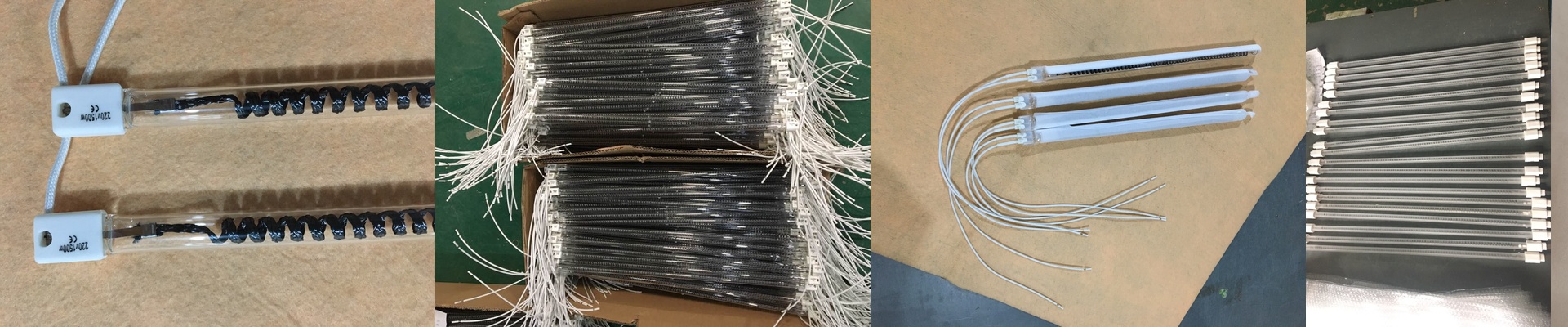
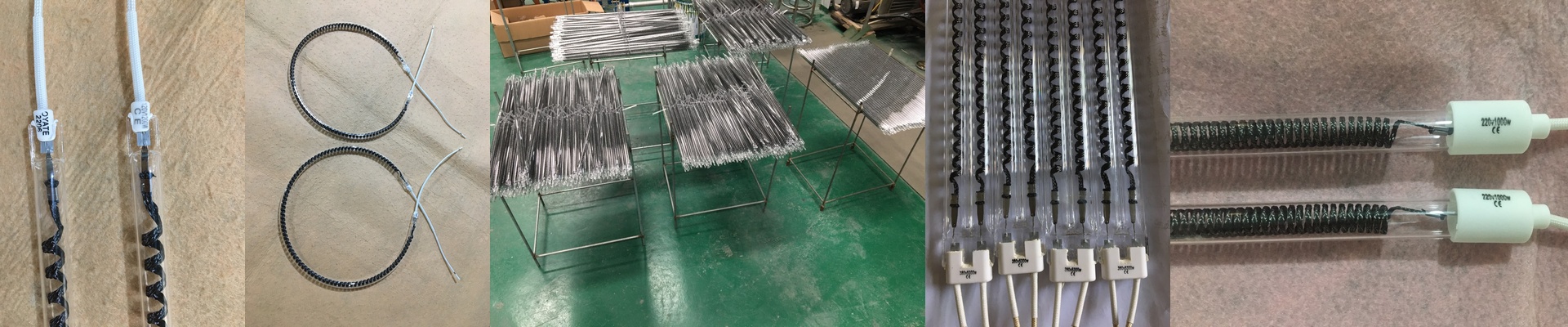
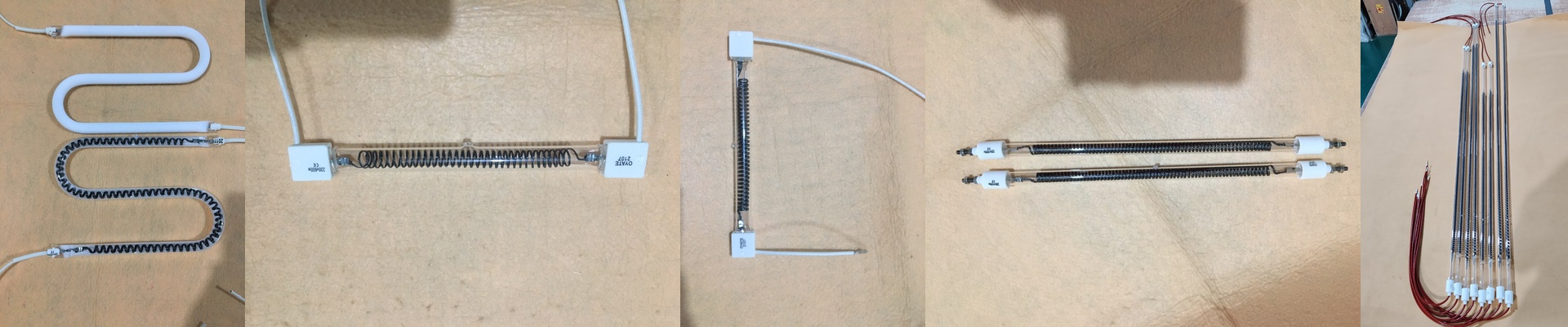
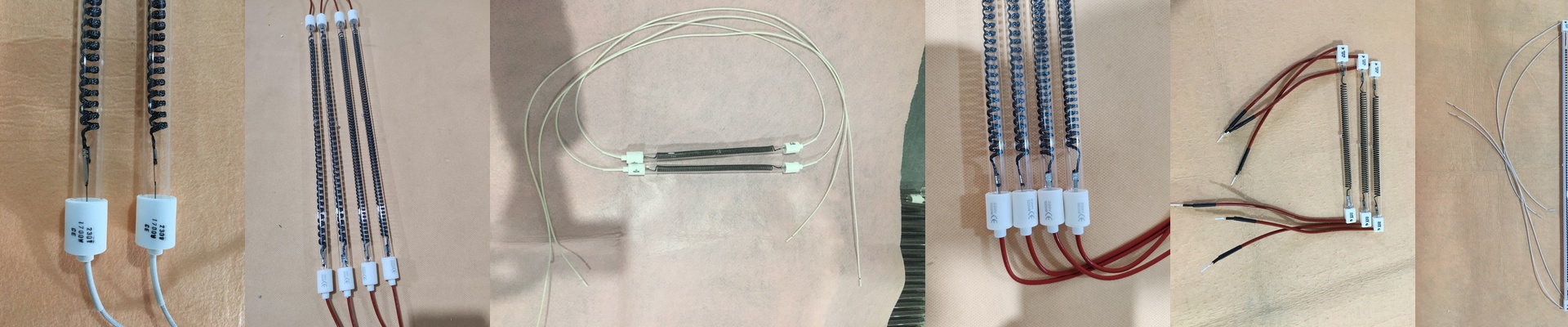
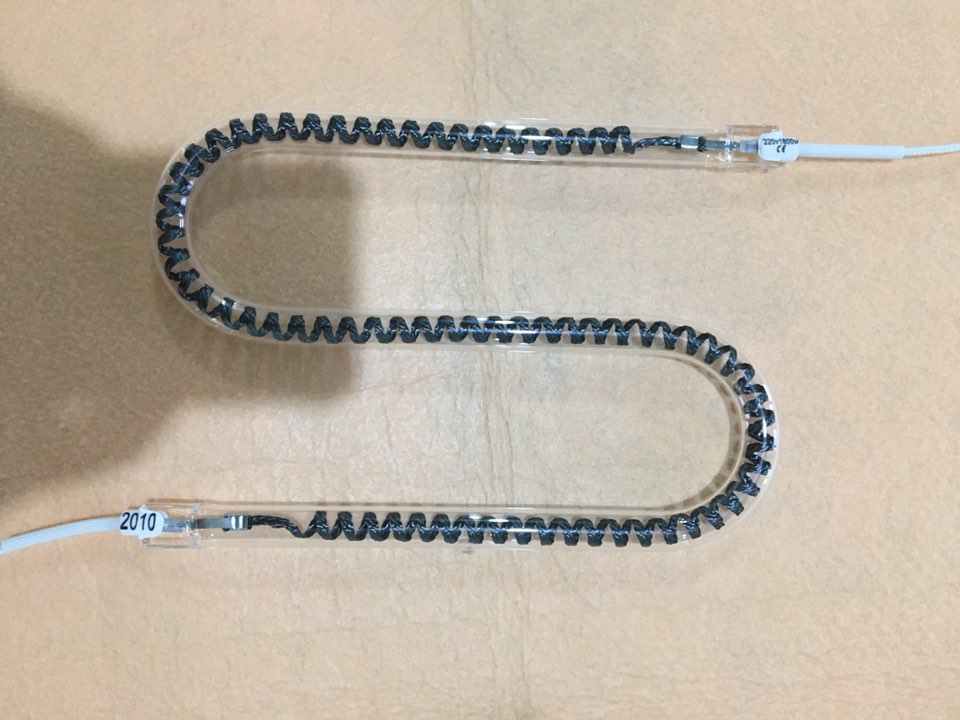
We built this 1260mm, 220V, 3500W quartz carbon heating lamp for one purpose: getting industrial heating jobs done fast. It’s about line heat—direct, focused, and consistent—not warming up the whole room.
Power, Voltage, and Size—Why They Matter
At 3500W on 220V, you get a steady resistive load that’s straightforward to work into standard control setups. No fuss, no guesswork. And that 1260mm length? It creates a long, even heating zone. So you can cover a wide area—or a long part—without stacking a bunch of units. It also spreads the heat out, which helps prevent hot spots and keeps the temperature more consistent across what you’re heating. The 220V supply makes wiring easier in many plants. Still, 3500W is real power, so plan accordingly. Use a contactor and fuse sized for the load. Make sure your controls can handle the inrush current when the lamp starts up. And tighten those terminal connections to spec—because a loose connection can turn into a hot, unreliable point fast.
What It’s Made Of—Quartz, Carbon, and Connections That Work
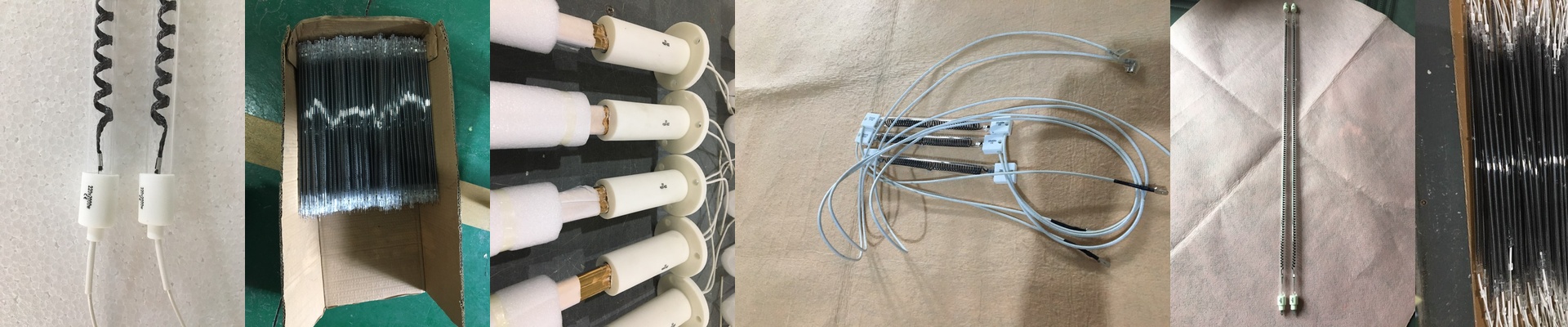
The quartz envelope handles high temperatures without blinking, and it’s tough against sudden thermal shocks. Inside, carbon filaments deliver high-intensity infrared heat. They respond quickly when you change the power, which means fast heat-up and fast cool-down whenever your control cycle says it’s time. We pair the lamp with a solid connector system—typically R7s or SK15—so you can wire it cleanly into a fixture and swap it out later without re-terminating leads. The diameter stays compact, so it slips into tight reflector setups and narrow heating channels without fighting for space.
Where It Shines—Applications and What You Gain
This setup is a go-to for plastic processing, curing, drying, and preheating. The long emitting length is perfect for continuous-line heating, and the wattage delivers the heat density you need to keep cycle times tight. Now, the trade-off is honest: 3500W means serious heat density. Your machine structure has to be ready for it. Align the reflectors properly. Plan airflow and shielding so the lamp doesn’t cook the housing. Think of this lamp as a high-output tool, and size your cooling and mounting to match. We build it to hold up on the shop floor. But it still needs the right match—between lamp, fixture, and process. When you get that match, you get repeatable heat, predictable control response, and a replacement you can drop in and trust.