Getting Pro-Grade IR Heating Without the Corporate Price Tag
For a long time, the really good infrared heating gear was locked away in the labs of massive electronics giants. If you didn’t have a corporate budget the size of a small city, you were basically out of luck. We think that’s ridiculous. We’re here to get industrial-grade IR lamps into the hands of mid-sized shops and smaller manufacturers—without the “big brand” markup.
Let’s talk about heat density
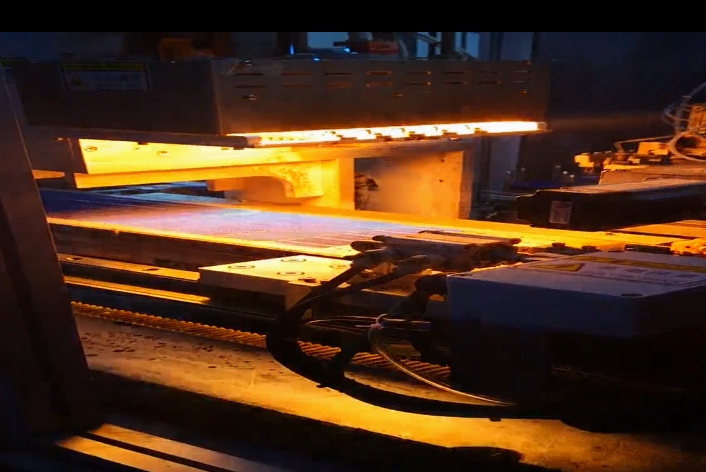
When you’re assembling electronics, you can’t just blast everything with heat. You need it to hit the target fast, and you need it to stay there without soaking the rest of the chassis. That’s why we stick with short-wave IR emitters. They concentrate energy into a tight band, so you get a rapid ramp-up. If you’re curing adhesives or drying solder masks, the only number that actually matters is the wattage-per-centimeter. When that density is high, your conveyor belts can be shorter. And when your belts are shorter, you get more floor space back. That’s a win for anyone running a tight shop.
The nuts and bolts (and glass)
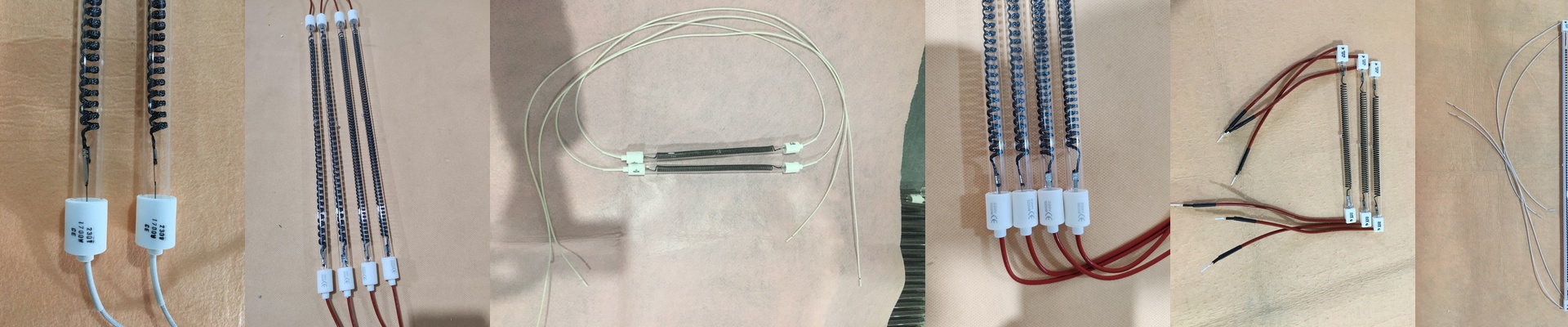
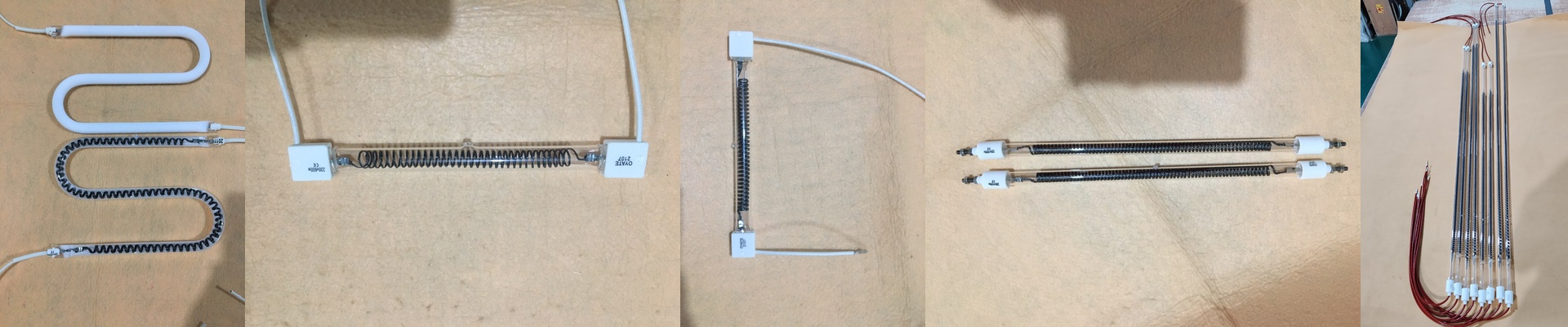
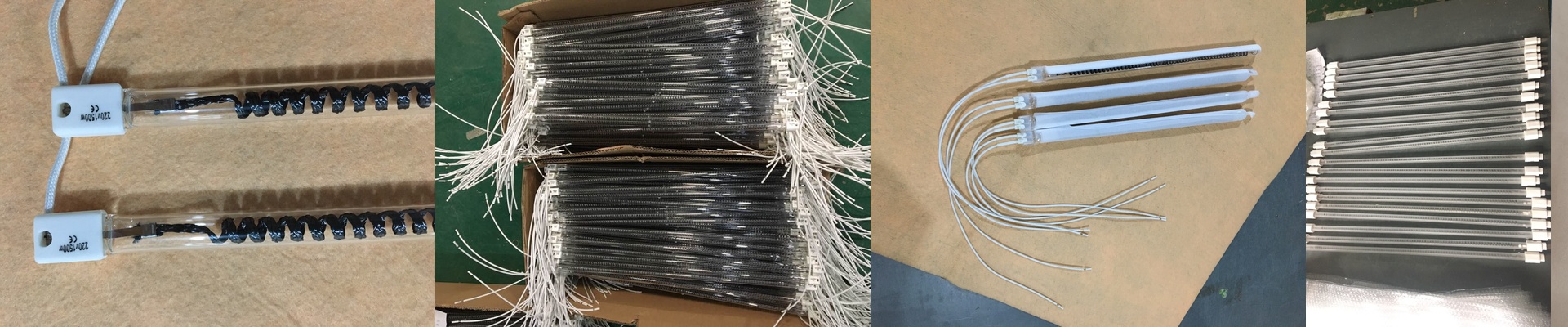
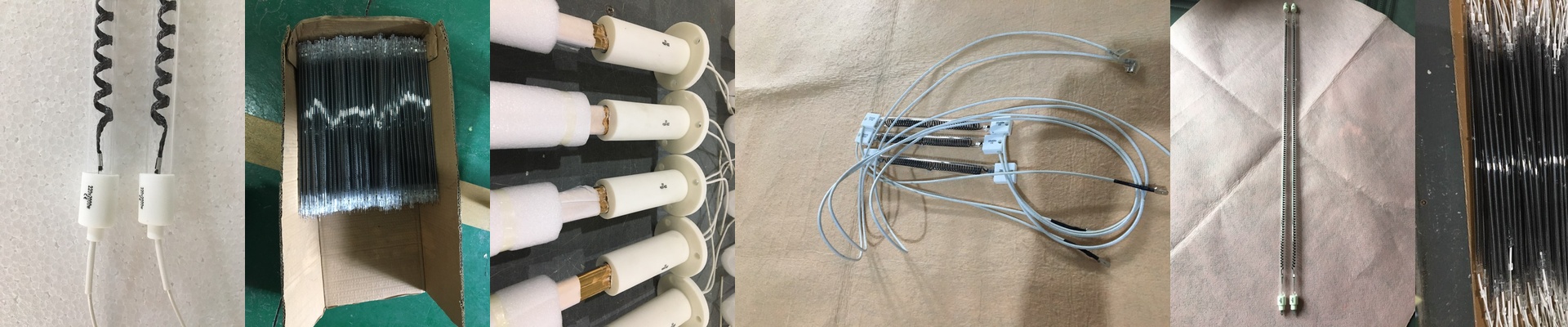
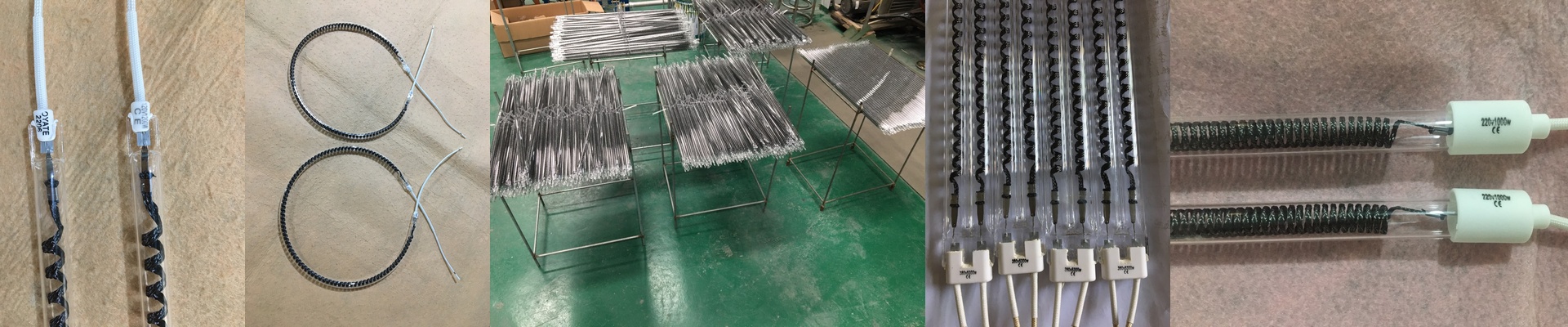
We use high-purity quartz glass. Why? Because it doesn’t crack or freak out when you cycle the heat up and down rapidly. Most of our tubes are filled with halogen gas. It stops the filament from evaporating too quickly, which means your lamps actually last. You get a steady, reliable output for thousands of hours. As for the connectors, we use R7s and SK15. They aren’t fancy, but they’re the industry workhorses. They’re easy to wire up and, when a tube finally burns out, you can swap it in seconds and get back to work.
The honest truth about the trade-offs
Look, high-output IR lamps aren’t magic. If you cram a 2000W tube into a tiny, sealed box, you’re going to deal with heat creep. It’s just physics. You have to make sure your cooling fans and vents are actually up to the task, or you’ll fry the surrounding electronics and kill your lamps early. At the end of the day, you’re getting the same punch and precision as the Tier-1 brands. You get the heat flux you need to run a professional line, but it doesn’t eat your entire profit margin.