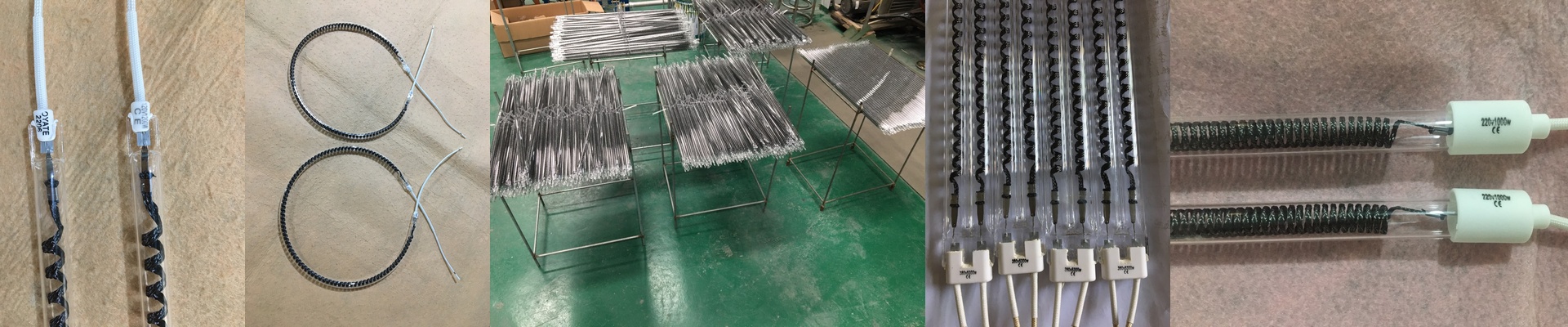
Stop Waiting for Your Heaters to Die
Let’s be honest: the old way of doing things sucks. You run your heating elements until they pop, and you don’t even realize there’s a problem until a batch of parts fails QC. Suddenly, the line stops. Everything grinds to a halt. It’s a headache nobody needs. We’re moving away from that “fix it when it breaks” mindset. Instead, we’re building systems that actually tell you they’re struggling before they quit on you.
How it actually works
Most systems just look at the temperature. That’s not enough. We’re looking at the electrical fingerprints. By keeping an eye on impedance and current leakage, the system can feel a heating filament starting to wear out. If the resistance drifts more than 5%, the controller flags it. Now, instead of a midnight emergency call, you just swap the lamp during your next scheduled break. Simple.
The trade-offs (because nothing is free)
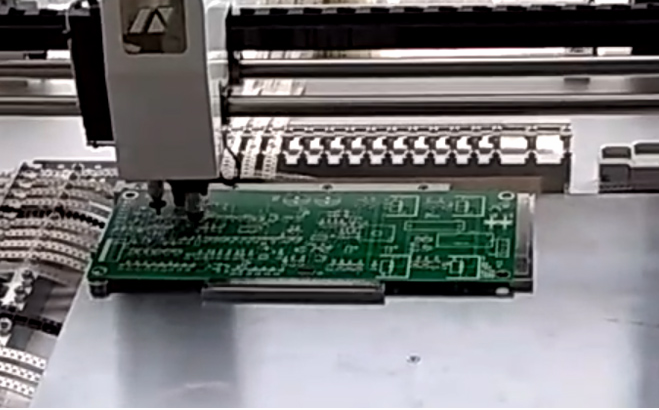
To get this kind of insight, you can’t just use a basic element. We have to add high-precision shunt resistors and extra ADC channels to the power stage. Yeah, it takes up more room on the PCB. And yes, the initial bill is a bit higher. But you’re basically paying a little more upfront to buy yourself some peace of mind and kill off those unplanned outages. There’s also the heat issue. If you’ve got a high-wattage lamp crammed into a tiny box, the “heat soak” can mess with the sensor readings. You’ve got to get your cooling fans and heat sinks right, otherwise, the electronics trying to monitor the lamp will end up cooking themselves.
Getting it onto the shop floor
The best part is how it fits in. You just wire these into your existing PLC using Modbus or IO-Link. Instead of a boring “On/Off” light, you get a health percentage. When a lamp hits 80% of its life, it triggers a maintenance ticket. No more guessing. No more crossing your fingers. Just a quick, data-driven swap and you’re back in business.