
Getting the Heat Right for Smart Meter PCBs
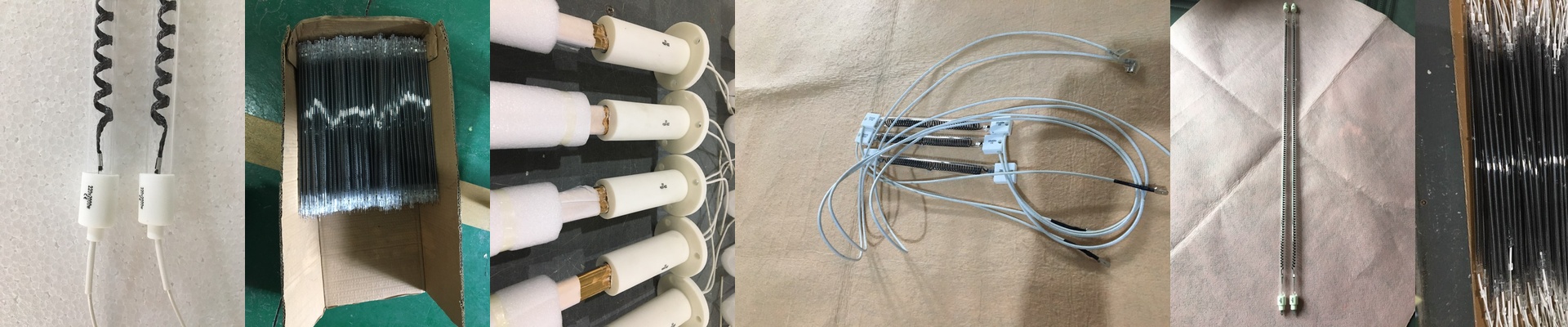
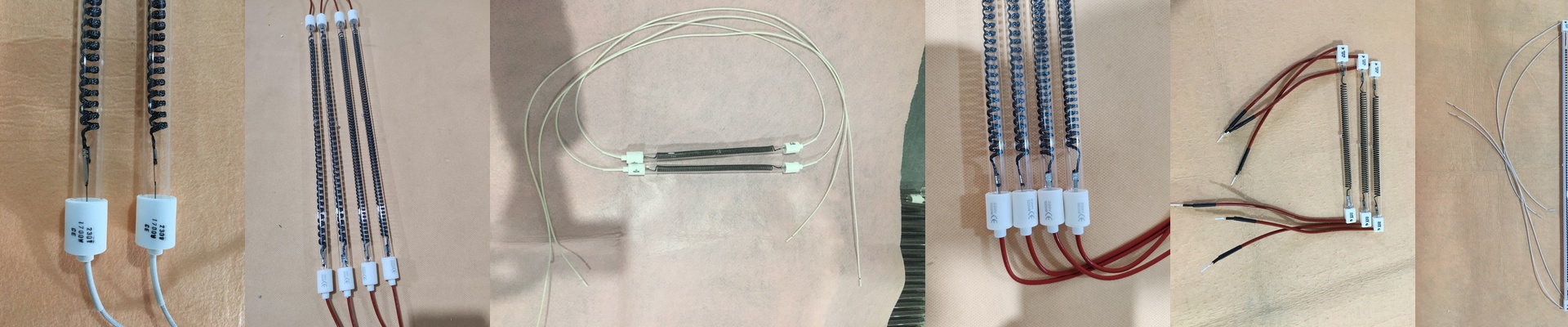
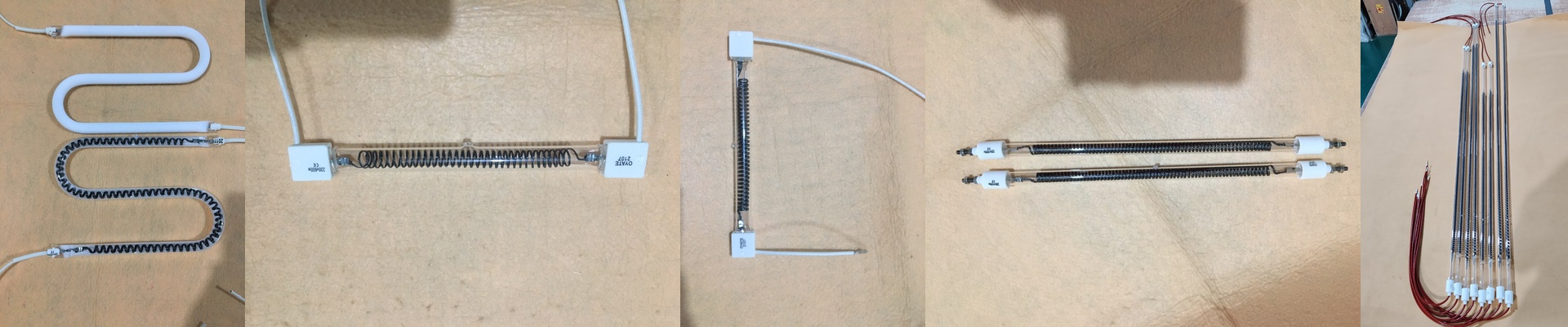
When you’re working with smart meter PCBs, you’re dealing with a lot of tiny, high-density components packed into a small space. If your heat isn’t spot on during curing and soldering, things go south quickly. That’s why we use shortwave infrared (IR) lamps. Instead of heating up the entire oven chassis like some old-school setup, these lamps shoot heat directly onto the board surface. It’s precise. No wasted energy.
Power, Voltage, and the “Burn Out” Risk
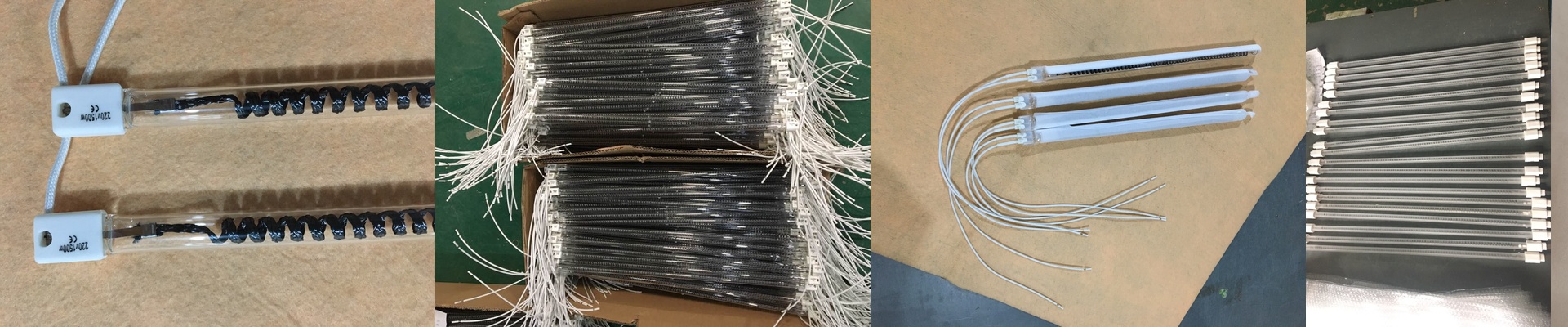
For these jobs, we usually go with lamps that have high power density. Why? Because you need that fast ramp-up. When you blast a high-wattage tube over a small footprint, the solder paste activates and adhesives cure almost instantly. But here’s the thing: you have to be obsessive about your voltage. It needs to match your power supply perfectly. If you try to push too many amps through a tube that isn’t rated for it, the filament will just snap. It’s a quick way to kill a lamp.
The Glass and the Gear
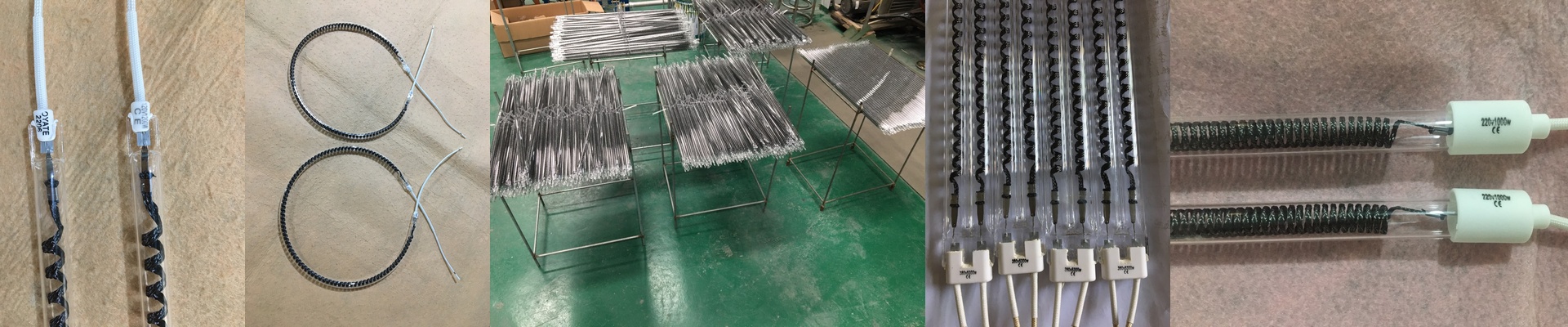
We build these using high-purity quartz glass. It’s the best way to let that shortwave IR radiation pass through without the glass soaking up the heat itself. Some of our lamps even have a special coating. This shifts the emission spectrum so the heat hits the PCB substrate rather than just warming up the air around it. You’ll notice the “soak time” drops significantly. And a quick tip on the connectors—whether you’re using R7s or custom pins—make sure they’re snug. A loose connection creates an arc, and that will fry your socket in a heartbeat.
Making it Work on the Floor
The good news is these lamps are basically drop-in replacements for most standard IR curing tunnels. But you can’t just “set it and forget it.” You’ve got to dial in your conveyor speed to match the lamp’s output. If the line crawls, you’ll warp the PCB. If it flies too fast, you’ll end up with cold joints. It’s a balancing act. One last thing: these lamps put out a massive amount of radiant heat. Make sure your housing has plenty of ventilation or some solid heat shielding. You don’t want your other electronics getting baked by the heat soak.