Getting Heat Exactly Where You Need It: IR Lamps for Smart Grid Repair
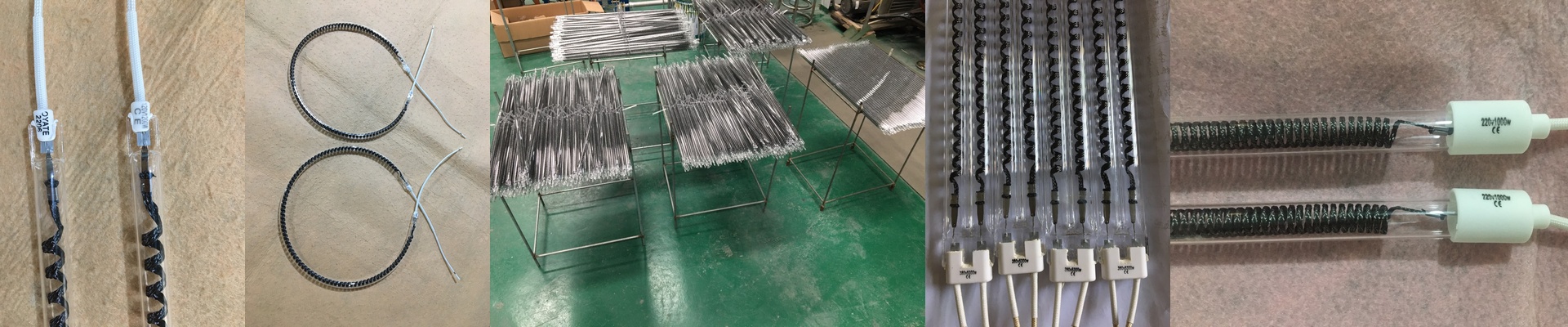
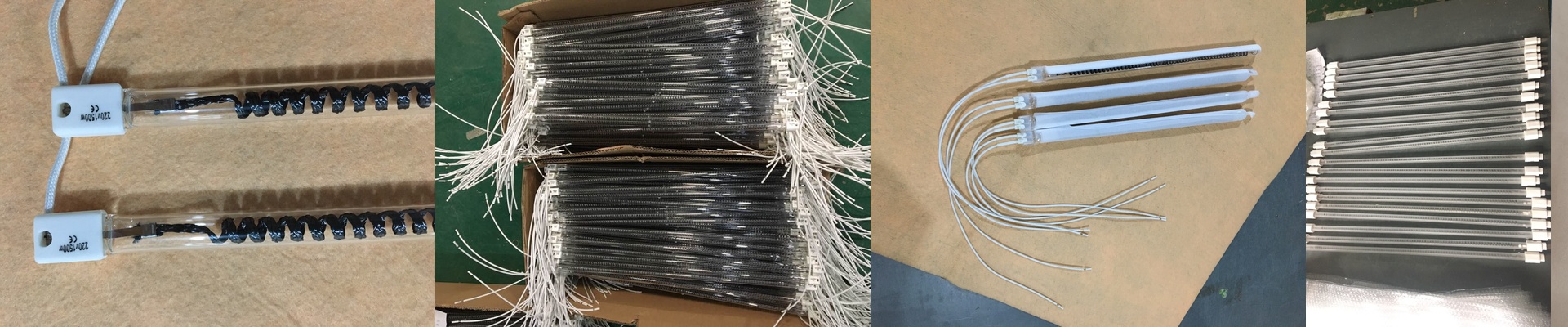
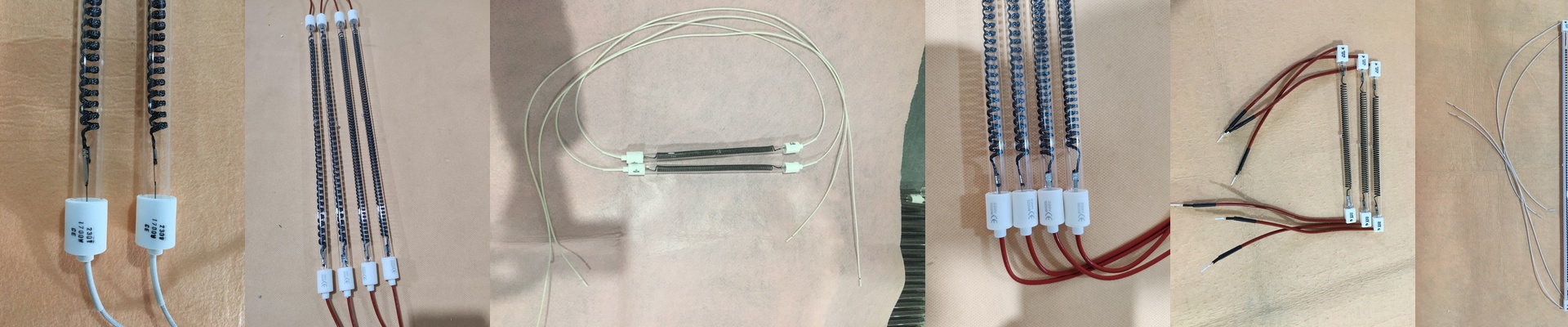
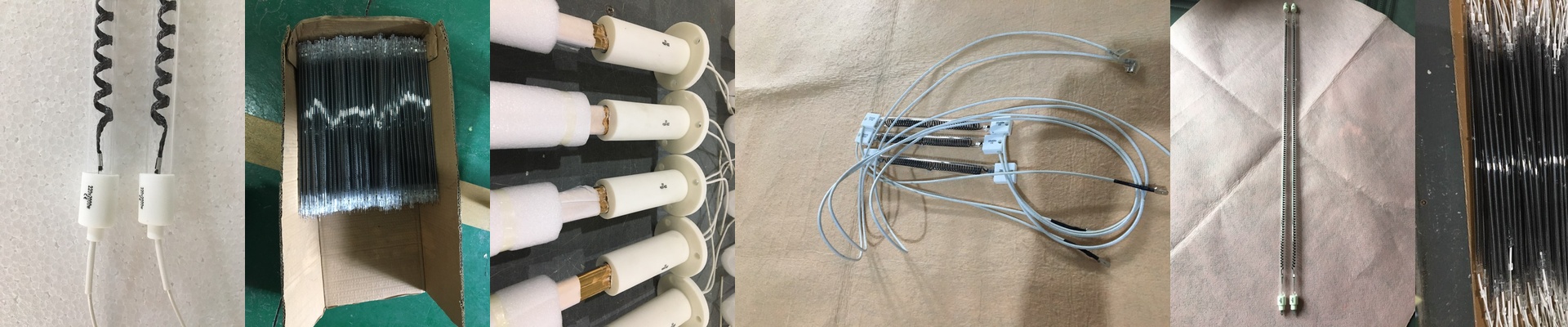
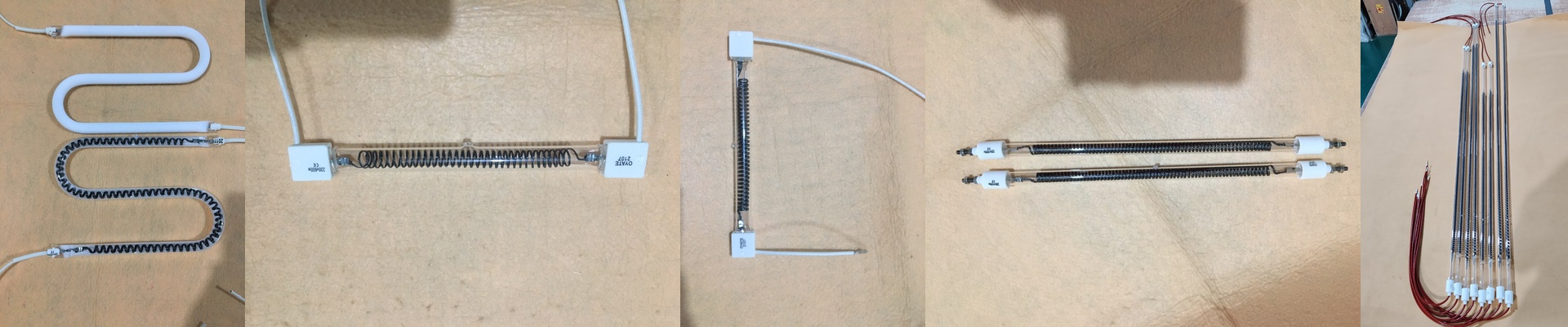
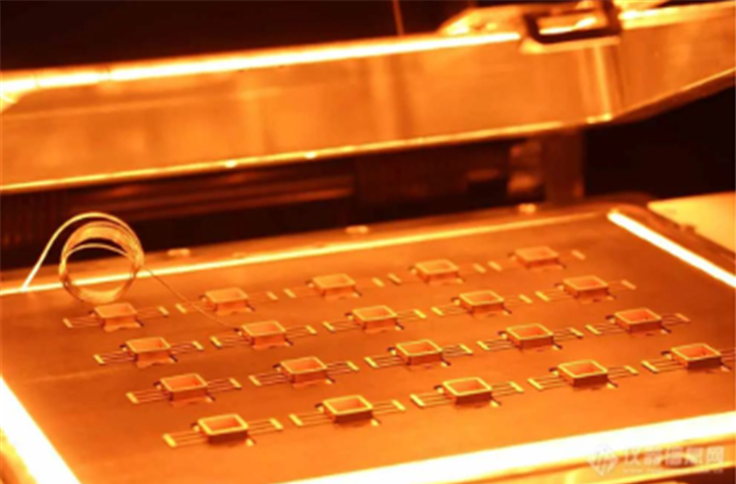
If you’ve ever worked on a high-density PCB for a smart grid, you know the stress. One slip, or a bit too much heat in the wrong spot, and you’ve just fried a neighboring component. It’s a nightmare. We spent ten years doing OEM contract work before we decided to build our own infrared (IR) lamps. Our goal was simple: create something that hits the same stability and quality as the big international brands, but without the corporate headache. The trick is all in the heat density. When you’re picking a lamp, the wattage-to-length ratio is what actually matters. It’s the difference between a slow crawl and hitting that liquidus temperature of the solder exactly when you need to. We use high-purity quartz envelopes so the shortwave radiation goes straight into the board. No wasted energy heating up the air around it. Just a heads-up: if you’re running these lamps at full blast, make sure your ventilation is actually doing its job. If the cooling system can’t keep up, you risk warping the PCB substrate. And nobody wants that. Built to actually last Most standard lamps burn out the second you start cycling them frequently. To stop that, we use halogen-filled quartz tubes. The halogen keeps the quartz from darkening, which means the lamp lasts way longer. We also didn’t want to mess around with the connectors. We use R7s and SK15, so they just drop right into most industrial repair stations. And here’s the thing—we refuse to use cheap alloys in the pins. Why? Because cheap metal leads to voltage drops and overheating at the contact point. A loose, cheap connection will arc and kill your lamp in a heartbeat. No more “hot spots” The real win here is getting rid of uneven heat. By dialing in the wavelength, the heat hits the solder joints directly. You get a faster ramp-up and a much tighter cooling curve. It’s a relief, honestly, because it stops those sensitive smart grid sensors from taking a thermal shock. We build these things to take a beating. Whether you’re running a 24/7 production line or just a heavy workload, they keep the output stable across thousands of cycles. They just work.