Getting Your Heat Profiles Right in Electronics Assembly
If you’re working with high-precision boards, you know the struggle. One wrong move with the heat and you’re looking at warped boards or cold solder joints. It’s a nightmare. That’s why we lean on short-wave infrared (IR) emitters. Instead of just blowing hot air around and hoping for the best, IR sends energy straight into the board surface. It actually penetrates the substrate. It’s a much more direct way of doing things.
Power, Density, and the Balancing Act
To get those ramp-up speeds where they need to be, we go for lamps with high wattage per millimeter. When you crank up the voltage, you get that intense heat density that makes rapid curing possible. But here’s the catch: you have to keep an eye on your power draw. If you push the wattage too hard without the right transformer, you’ll fry your filaments way too soon. We spend a lot of time balancing the voltage and the length of the lamps. The goal is simple: make sure the heat is the same across the entire board, from edge to edge.
The Hardware: Quartz and Tuning
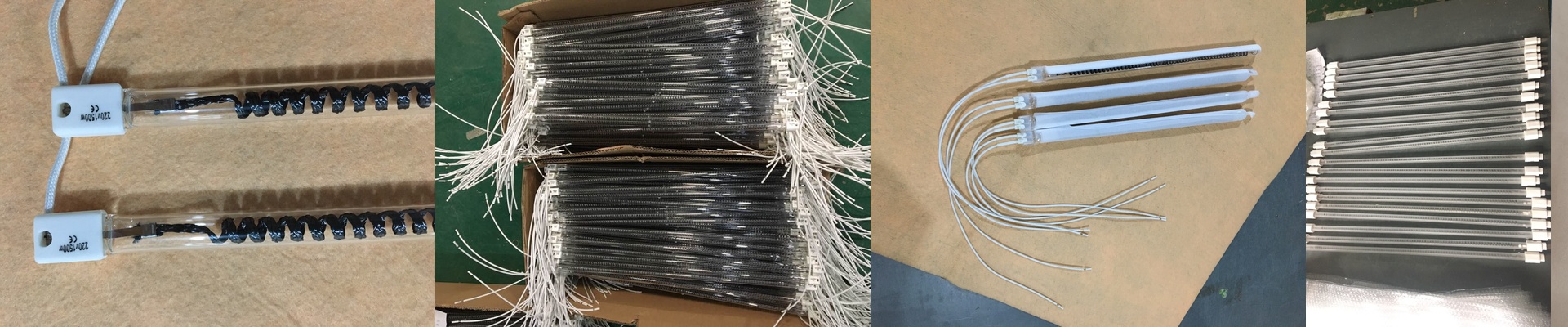
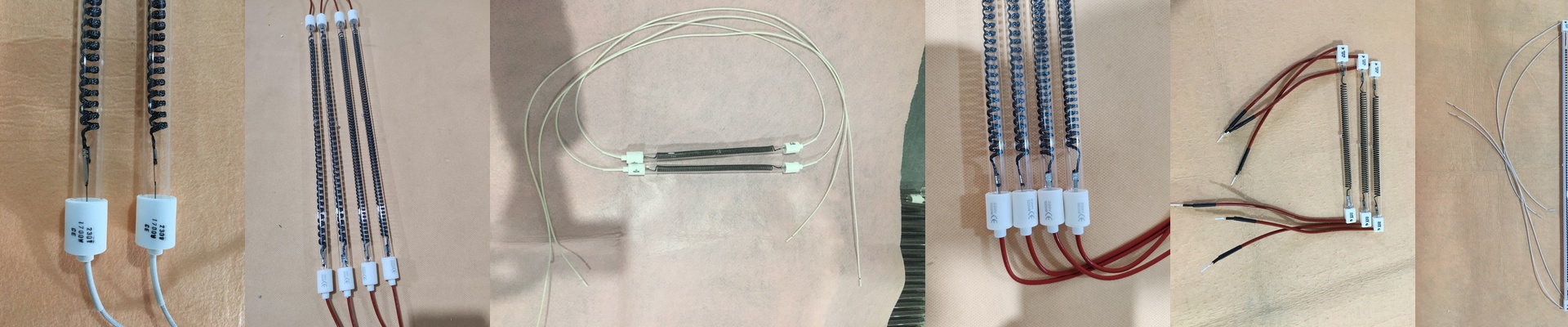
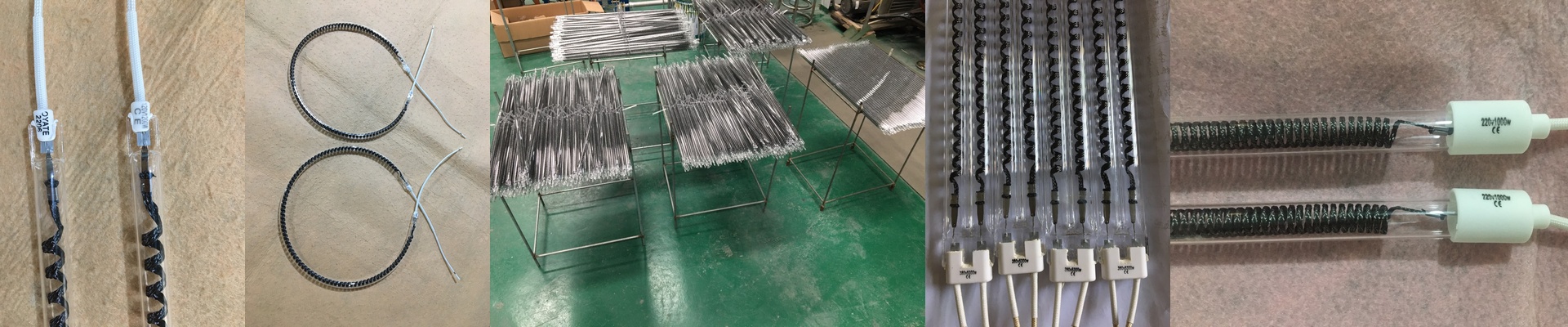
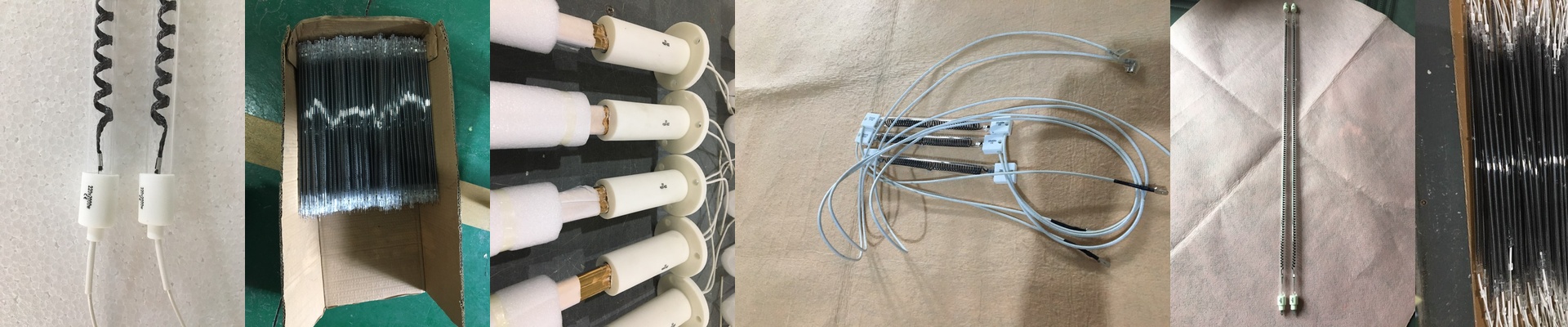
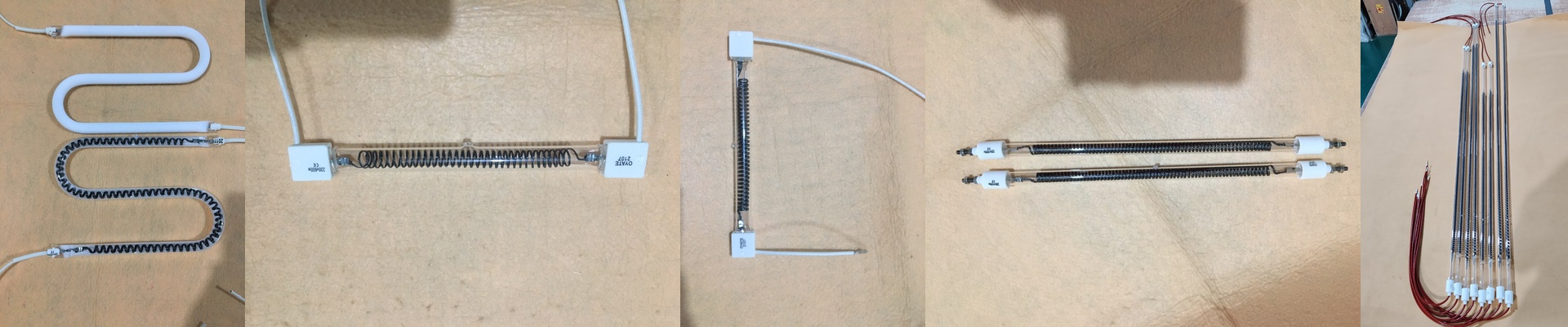
We house the tungsten filaments in high-purity quartz glass. Why? Because it can take the hit. Rapid cycling creates a lot of thermal shock, and quartz doesn’t crack under the pressure. Sometimes, we add a specific coating to the glass to shift the emission spectrum. This is a neat trick to make sure the energy actually sinks into the solder paste and components rather than just bouncing off the board. And since we know downtime is the enemy, we use standard industrial connectors. If a tube goes, you can swap it out in a heartbeat and get back to work.
Making it Work on the Floor
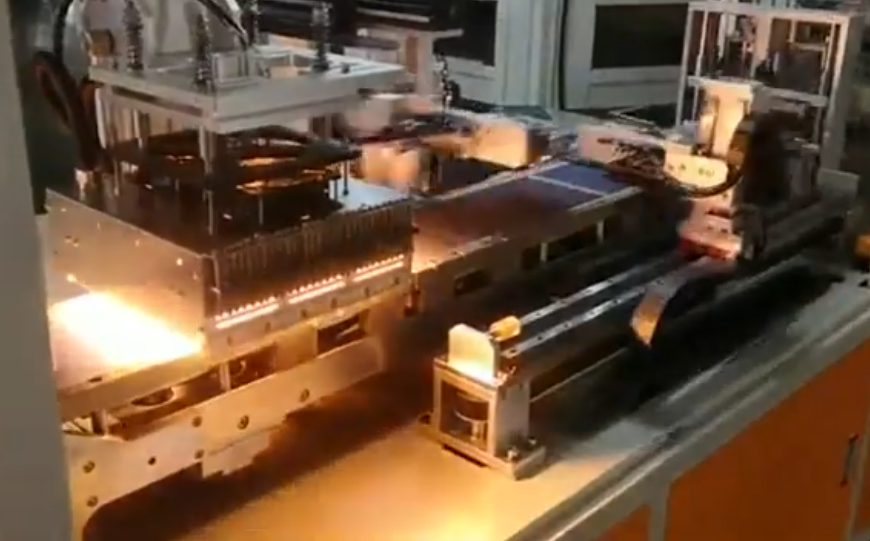
Putting these lamps in your line is a huge space-saver. You don’t need those massive convection ovens taking up half the shop, which means you can move a lot more product through the door. But it’s not all easy. You’re working with a very tight window of tolerance. IR heat is intense. If your lamp height is off by even a tiny bit, you’ll get hot spots that can literally fry your sensitive components. You’ve got to be meticulous about calibrating your conveyor speed and the distance of the lamps. Get that right, and your boards stay exactly where they need to be.