Wall-Mounted Carbon Infrared Heater: The Real Deal on Specs, Build, and What It’s Like in the Field
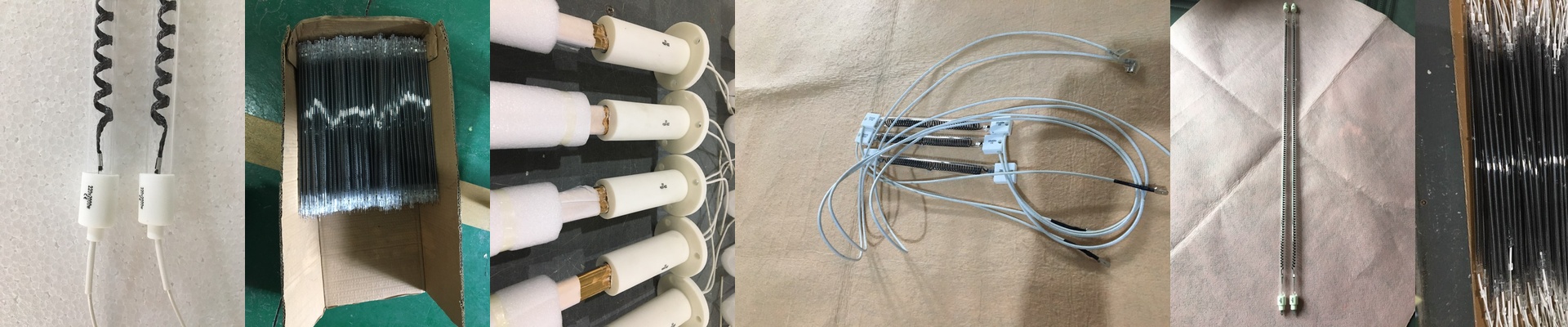
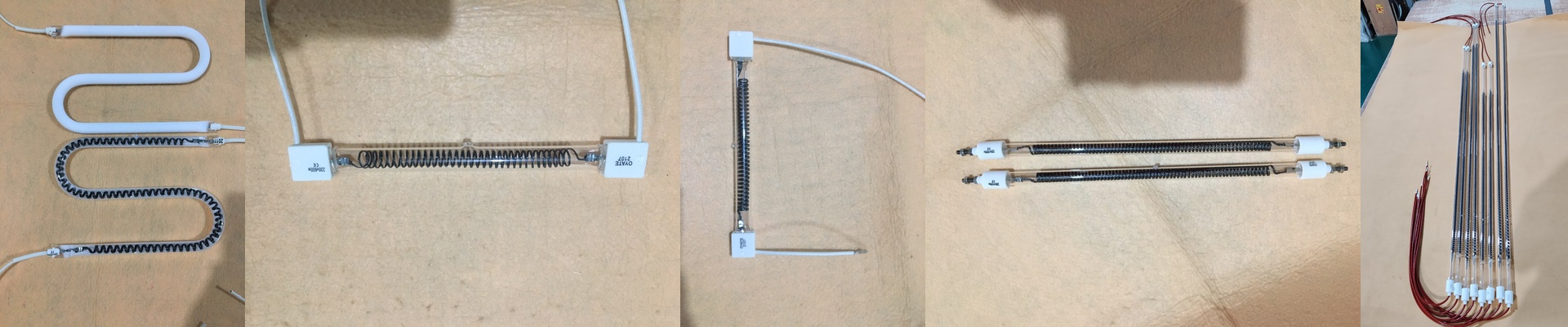
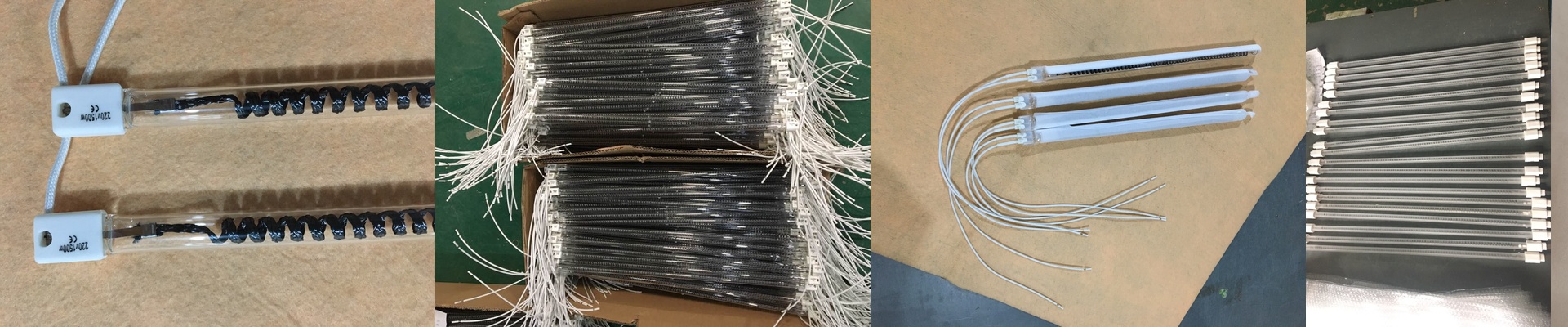
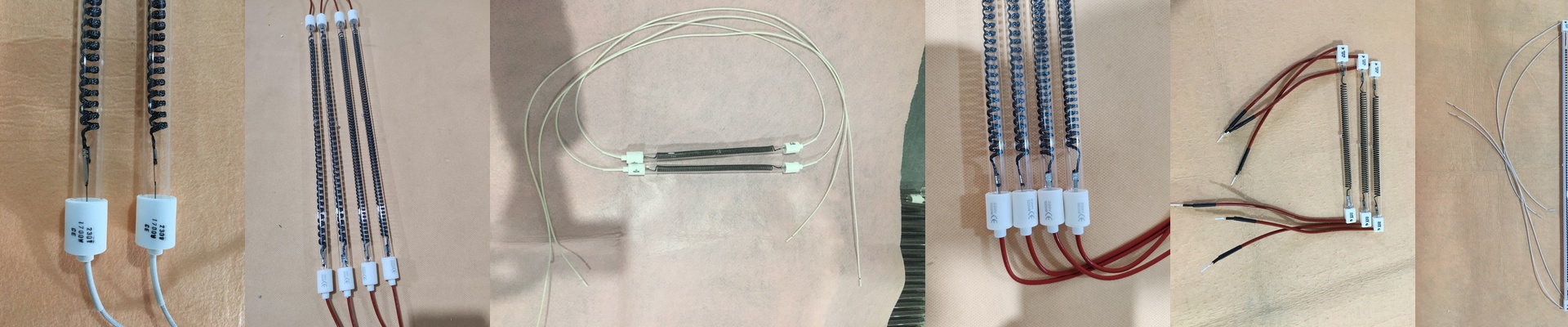
We built this wall-mounted carbon infrared heater for places where space is tight and you need heat to land on target—fast. No waiting. No wasted energy heating air that isn’t doing the job. Inside, you’ve got a shortwave halogen element tucked into a compact tube. It’s made to mount quickly and take repeated hard-duty cycles without drama.
Power, Voltage, and Size: What It Means on the Floor
This unit runs on 400V, which lets us squeeze a lot of wattage into a small footprint without overworking the wiring and terminals. At 300mm long, it stays shallow. That means it slips into tight enclosures and sits neatly on wall brackets—without crowding everything around it. And at 2500W, it’s tuned for high heat density. Perfect when you need a quick temperature jump on a specific surface or along a product path. But here’s the part you feel immediately: this heat is intense. Surrounding equipment has to be ready for it. Plan for enough cooling and clearance. This isn’t a “set it and forget it” kind of heater.
What’s Inside: Halogen Element, Coating, and Connections
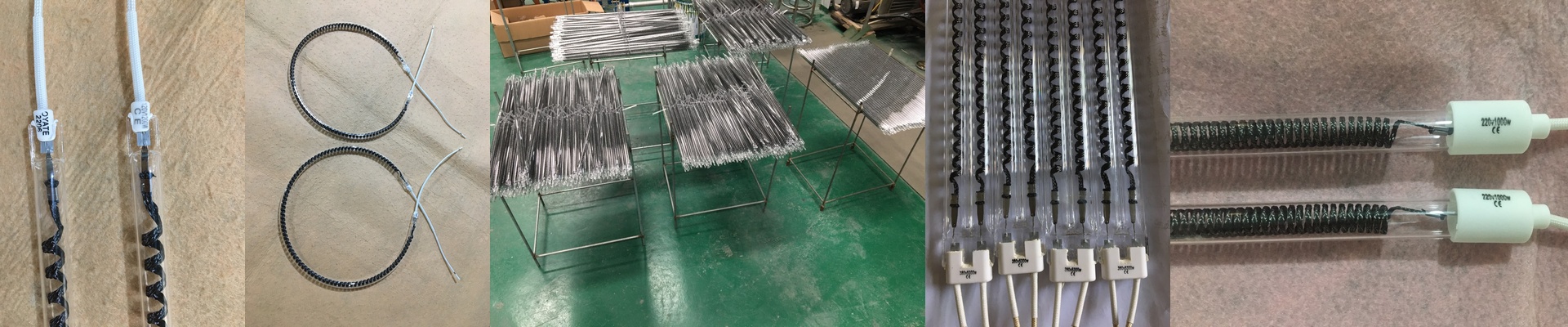
The tube holds a halogen-filled carbon filament that delivers shortwave infrared. The payoff? Energy goes straight into the target, with almost no warm-up delay. The quartz envelope is coated to manage output and protect the filament from hot spots and thermal stress. We chose an R7s connector because it’s a workhorse in industrial settings—fast to wire, holds steady under vibration, and easy to service when you’re on the line. The coating and halogen chemistry help keep output stable over the heater’s life. But there’s a trade-off: it’s sensitive to surface contamination. Keep the tube clean, and it stays honest.
Where It Shines—and What to Keep an Eye On
Mount it on the wall and point it where you need localized heat: pre-heating molds, drying coatings, or holding process temperature on a moving line. The shortwave response gives you fast control, and the compact shape makes retrofits straightforward. In high-cycle work, the halogen design holds up better than basic open-coil units. Still, it needs stable voltage and proper heat management. Think of it as a focused heat tool—not a general space heater. Spec the bracket, line up the beam, and make sure your cooling can keep pace with that 2500W load.