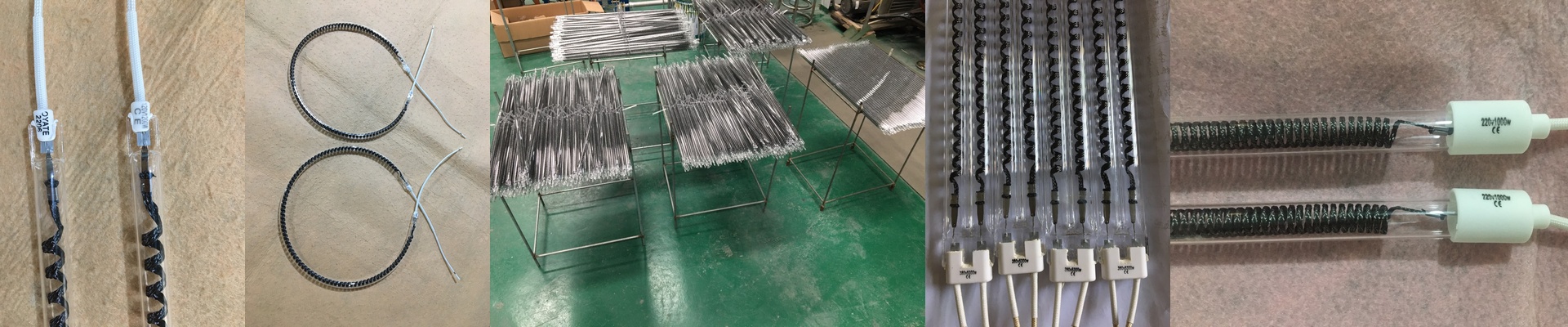
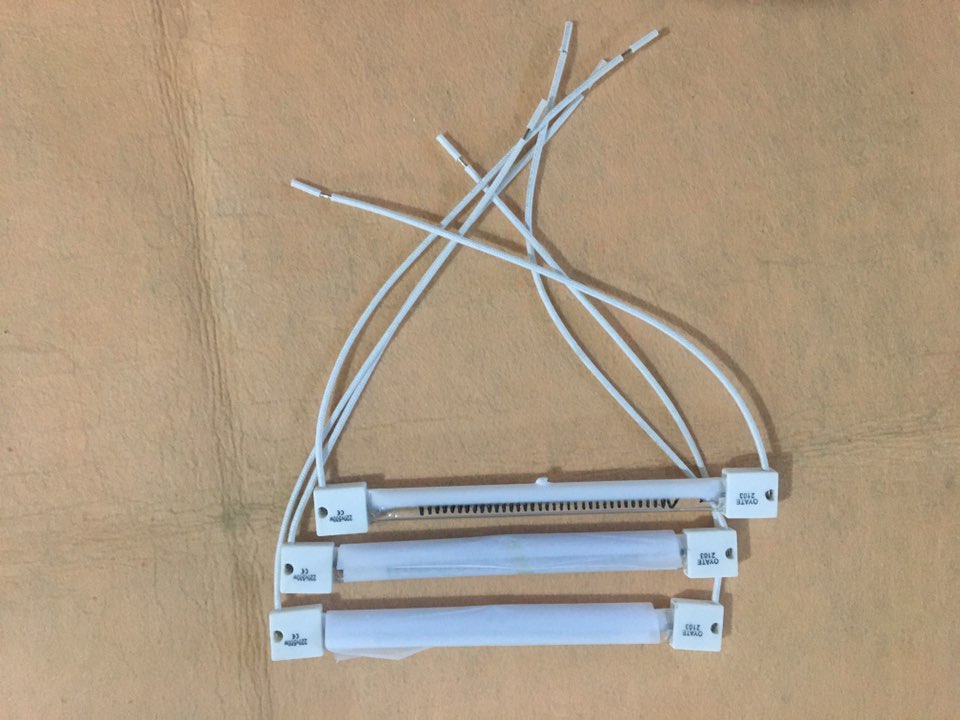
220V Carbon Fiber Halogen Heaters: Raw Power, Spot-On Control, and the Kind of Reliability You Can Bank On
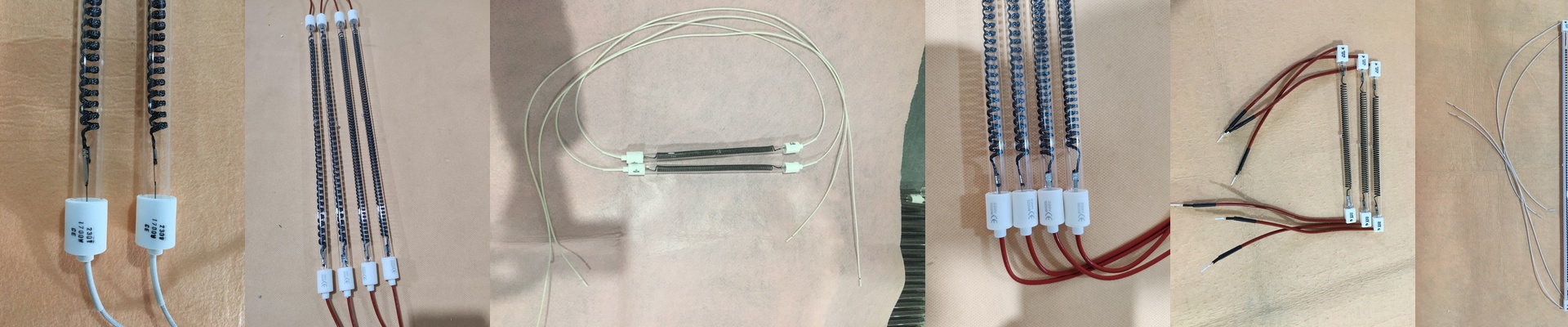
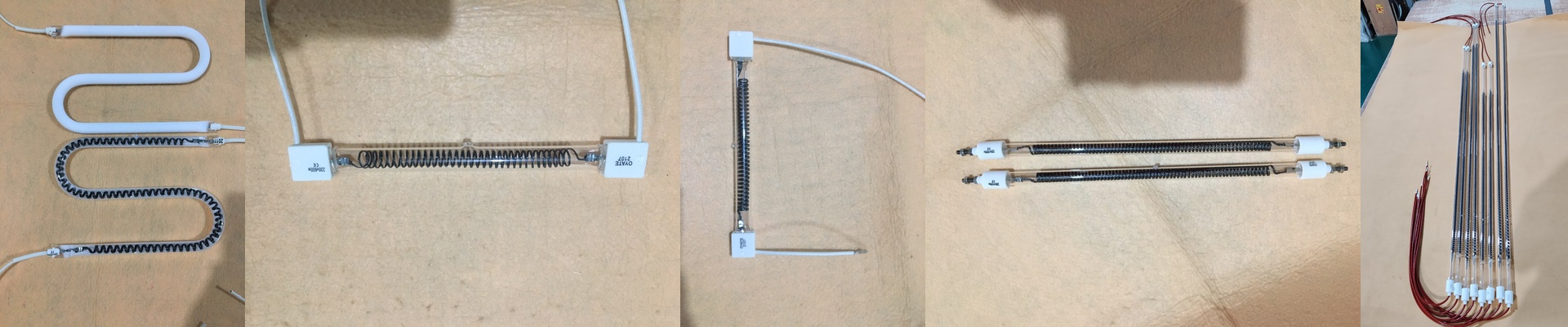
Here’s the truth: we built this 220V carbon fiber heater with one thing in mind. Getting intense infrared heat exactly where you need it—especially when space is tight and you absolutely can’t afford downtime. This isn’t some do-it-all, average heating element. It’s a focused heat source, born to slot into machines and deliver the same repeatable, controlled temperature, every single time.
Why 220V? Because your plant is already wired for it.
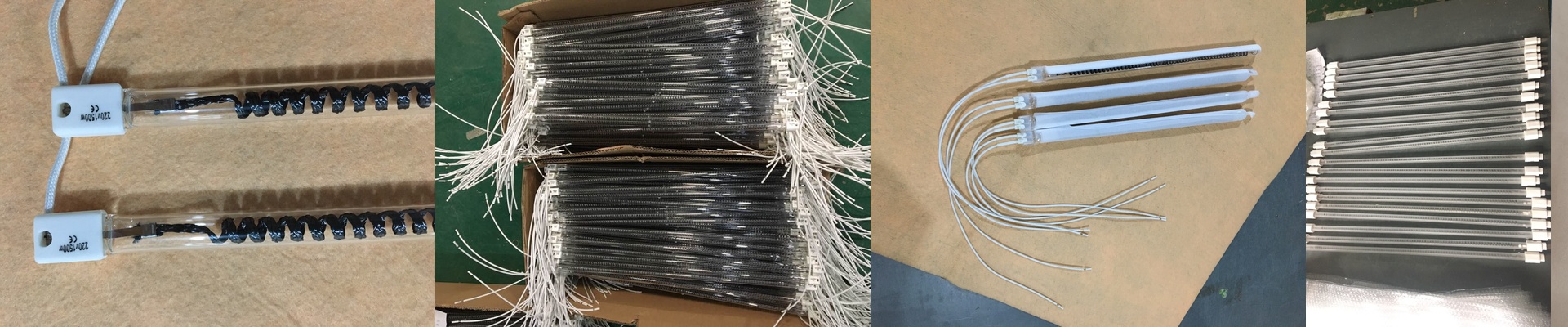
We went with 220V for a simple reason: it matches standard plant power. So you can plug this in without rewiring transformers or redesigning control panels. Inside the quartz tube, the carbon fiber filament is built to get hot—and fast. It warms up quickly, then holds steady even when your load changes. And the whole thing stays compact, so it fits into those cramped spots where you need a lot of heat in a small footprint. Just keep in mind: that kind of heat density means you’ll want to plan for thermal management around the machine. It’s powerful, so treat the surroundings with respect.
The guts: Halogen, quartz, and an R7s connection that makes life easier.
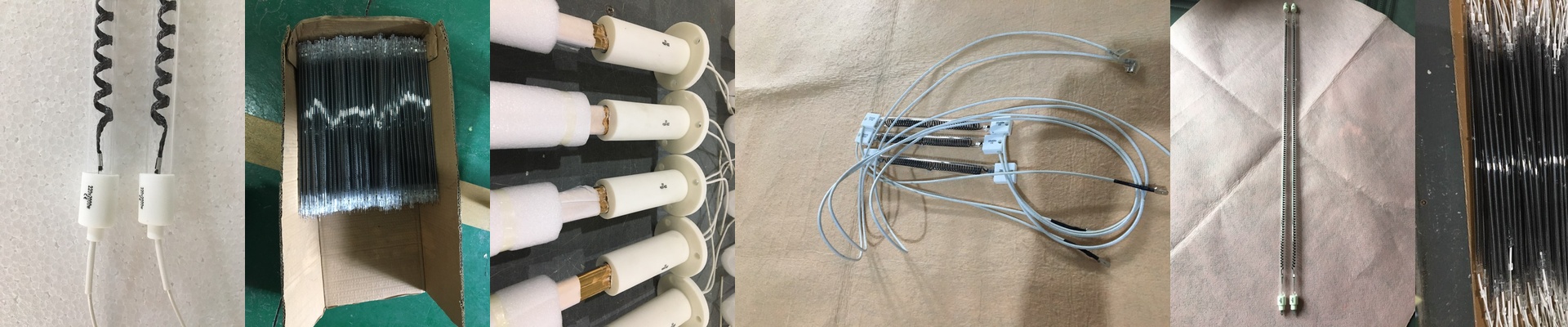
The halogen cycle does a clever thing inside the quartz tube. It redeposits material that naturally evaporates off the filament, which helps keep the output consistent over the heater’s life. No surprises. Just steady performance. Quartz is the right choice here, too. It handles sudden temperature swings without cracking, and it’s great at transmitting infrared heat. And the R7s connector? It’s practical, industrial, and honestly just makes sense. It handles the current safely, lets you swap the heater quickly when needed, and keeps everything lined up and secure.
Where it shines: Fast, controllable, localized heat.
In real life, this setup shines wherever you need quick, controllable heat in a specific spot. Think plastic processing, curing, and machines that demand a predictable temperature response. It installs fast, fits neatly into compact equipment, and runs with stable output. That’s the upside. But remember: you’re packing a lot of heat into a small space. So make sure the surrounding components and cooling can handle the ambient load. Plan for it, and this heater just keeps doing its job—without drama.