Introduction
Let’s cut to the chase. If you’re running an electronics line, you need heating gear that performs like the big names—without the big price. That’s exactly why we built these industrial infrared halogen heating lamps. They deliver serious, top-tier heat, but cost a fraction of what you’d expect. It’s a direct-to-engineer solution, made for production lines where reliability and a quick payback matter more than fancy marketing.
Power, Voltage, and Size—What It Really Means
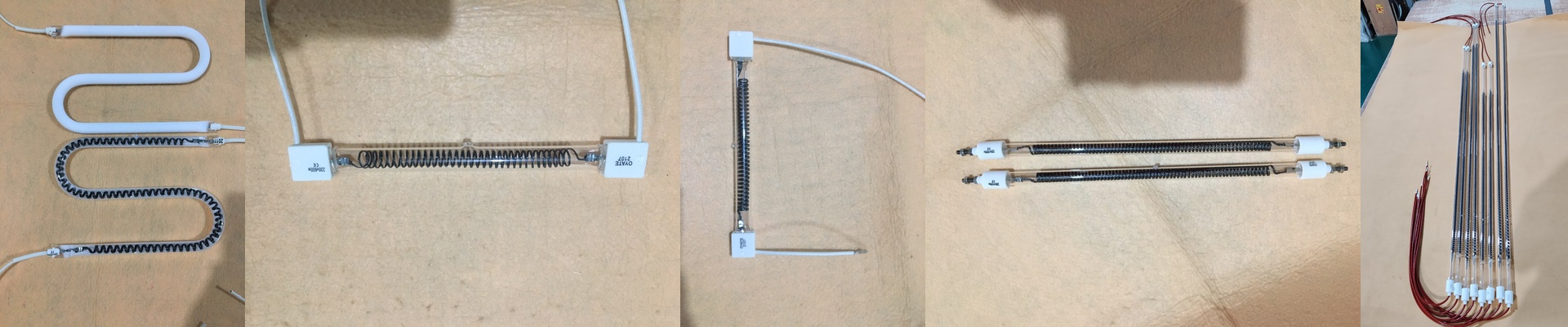
Here’s the thing about these lamps: they’re all about delivering the right heat in the right space. We set them up on a 400V industrial supply because that’s what most factories run on. That lets us pack up to 2500W of power into a compact 300mm tube. So you get intense heat without taking up a lot of room. And that 300mm length? It wasn’t an accident. It’s short enough to squeeze into tight spots on conveyors or small ovens, but long enough to spread the heat evenly and fast.
Built to Last: The Materials and Design
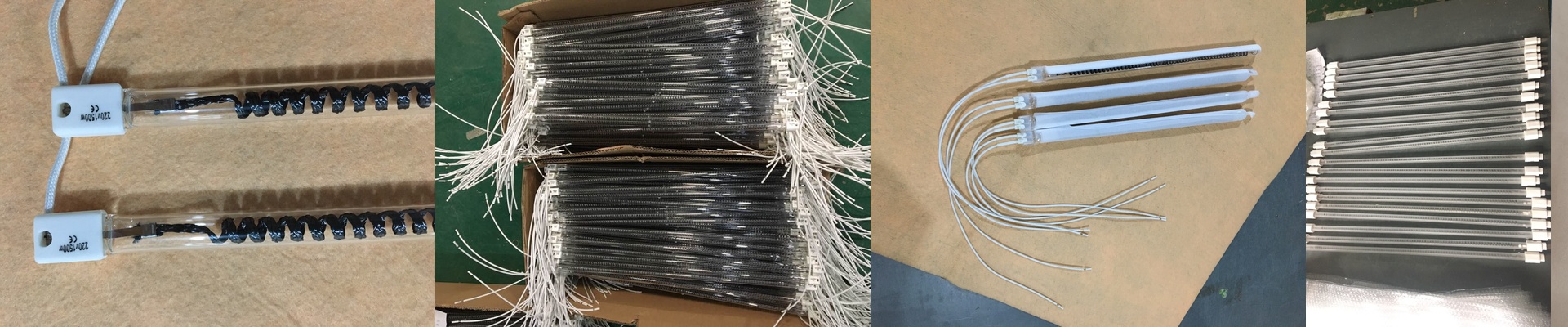
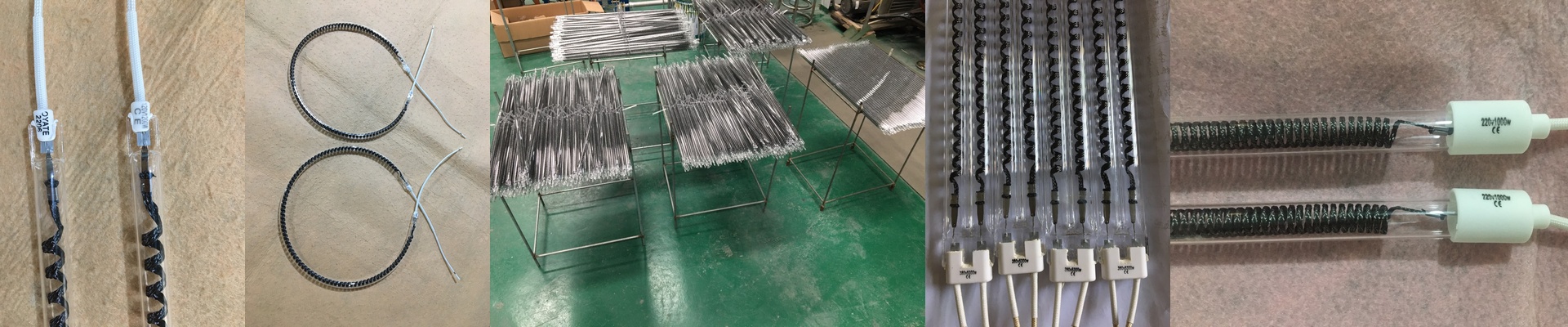
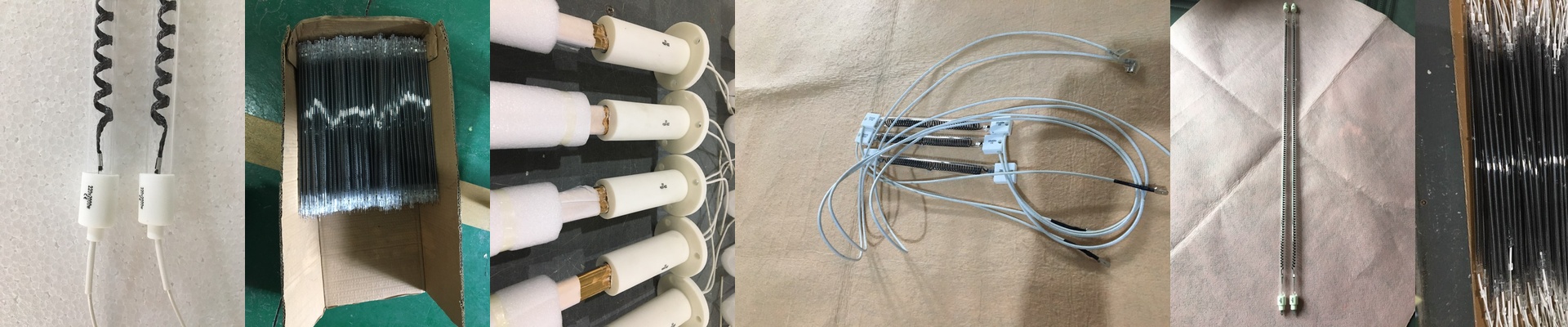
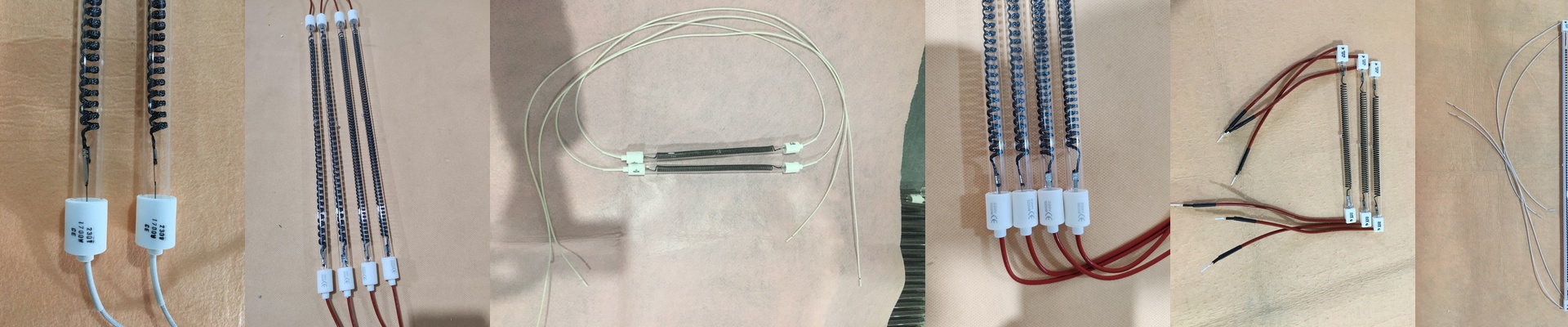
Inside, you’ve got a quartz halogen tube that’s tough enough to handle constant heating and cooling without blinking. The halogen cycle keeps the filament stable, so output stays steady and the lamp lasts. We also added a reflective coating that pushes infrared energy right where you need it—downward. Less wasted heat, and less worry about nearby parts getting fried. And the connector? We went with the R7s base. It’s an industrial standard for a reason. It handles high current, locks in tight, and makes installation quick. In most setups, it’s a straight swap.
Where It Shines—And What to Watch For
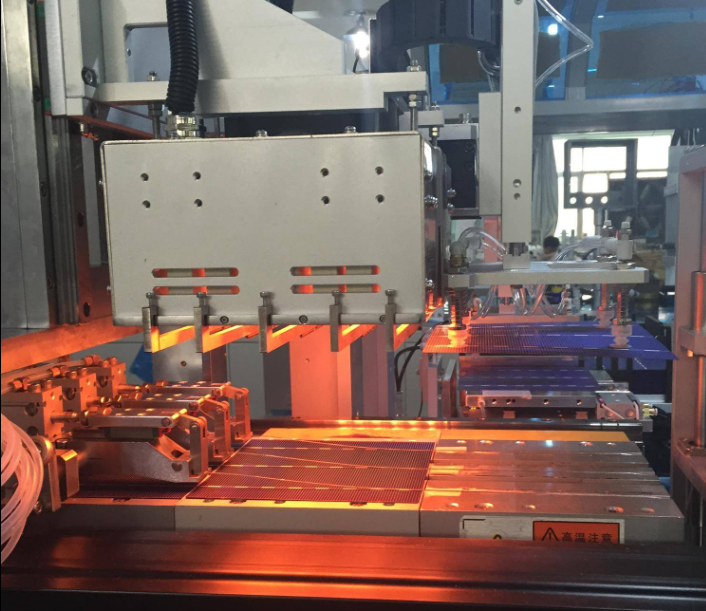
This lamp was born for electronics work—preheating, drying, curing—all the steps that need fast, localized heat. Because we sell direct, you skip the middleman markup. That means you get a solid return on your investment without sacrificing performance. Now, the trade-off is real. All that power generates heat, and your machine’s cooling system needs to be up to the task. Size it correctly, and you’ll get reliable heat, day after day, with no surprise failures.
The Bottom Line: Power, Simplicity, and a Price That Makes Sense
We built this for engineers who want tough, dependable heat without blowing the budget. The specs—400V, 2500W, in a 300mm quartz tube with an R7s connector—give you serious power, easy installation, and a long working life. On the production floor, it means shorter cycle times and more consistent results for preheating components, drying coatings, and curing adhesives. And because you’re buying factory-direct, you’re not paying extra for layers of middlemen. Just remember: high output means more ambient heat. Match your cooling to the lamp, and you’ll be golden.
Why the Details Matter
That 400V input matches what your plant already runs, so the lamp stays stable at high wattage without drawing excessive current. Packing 2500W into a 300mm tube concentrates the infrared energy, which means fast heat-up and quick response. That power density gives you precise temperature control in tight zones, cuts warm-up waits, and keeps cycle times consistent. And the compact size slips into cramped assembly cells and automated lines without a major redesign.
The Inside Story: Quartz, Coating, and Connections
The quartz halogen tube handles thermal shock like a champ. It holds steady over thousands of cycles, which matters when the line never stops. The halogen cycle keeps the filament clean, so performance stays consistent for the long haul. The reflective coating focuses the infrared energy where you need it, boosting efficiency and protecting nearby sensitive parts from stray heat. Then there’s the R7s connector. It’s the go-to for high-current lamp connections. It installs fast, stays locked, and handles the thermal expansion of the quartz tube without loosening. For most machines, it’s a simple plug-and-play swap.
Straight to the Point: Performance You Can Count On
We built this lamp for engineers who need reliable heat without overspending. The 400V, 2500W setup in a 300mm quartz tube with an R7s connector gives you strong output, easy install, and a long service life. In electronics manufacturing, it nails preheating, drying, and curing with repeatable temperature control. The high heat density speeds up cycle time, so you get more throughput. And because you’re buying direct, you keep costs down and ROI up. Just keep one thing in mind: high output means more ambient heat. Match your cooling, and you’ll get rock-solid performance without premature burnout. It’s practical engineering—robust heat, simple wiring, and a price that fits real production budgets.