Making Infrared Heating Actually Work for SMT
We’ve spent a lot of time—and I mean really spent time—inside about 2,000 different SMT workshops. We wanted to figure out why most standard heaters just don’t cut it when you’re actually trying to fix something on a workbench. The problem is that most off-the-shelf lamps are designed for a lab, not a shop floor. They don’t account for how modern PCBs hold onto heat or the surgical precision you need when you’re digging into a smart home device. Usually, the gap comes down to two things: how the heat spreads and how long it takes to get up to temperature.
The trick to heat density
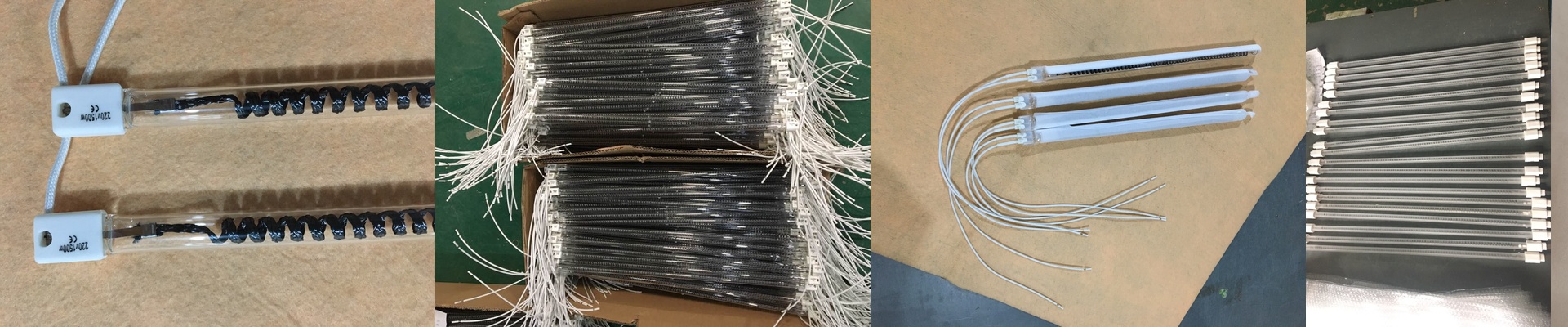
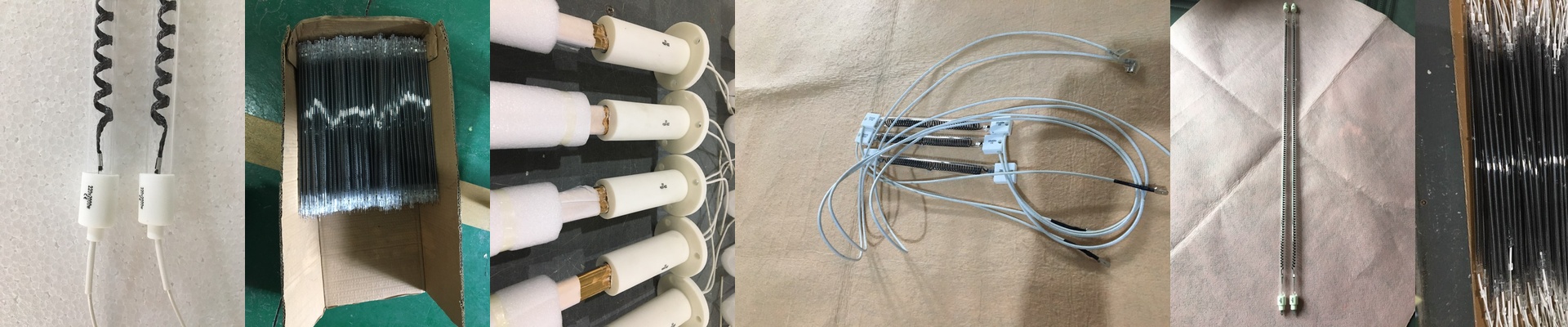
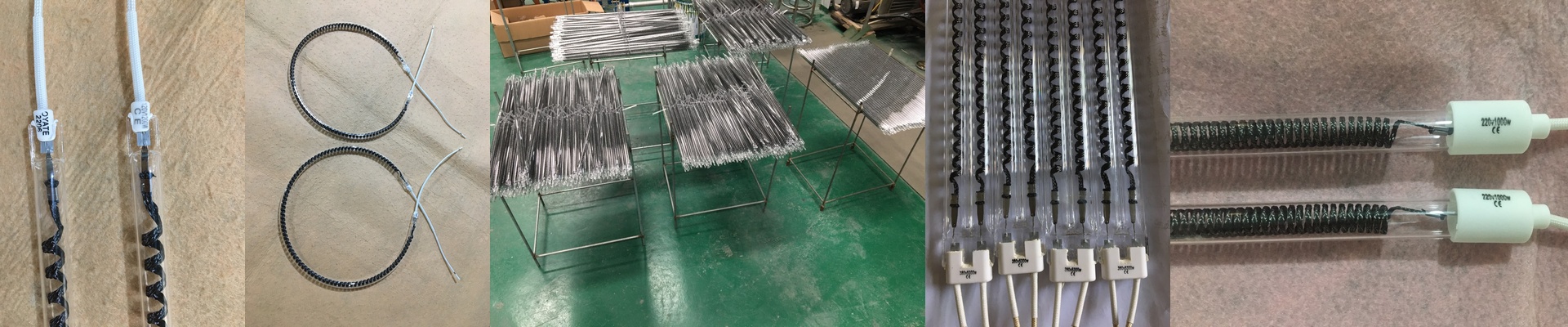
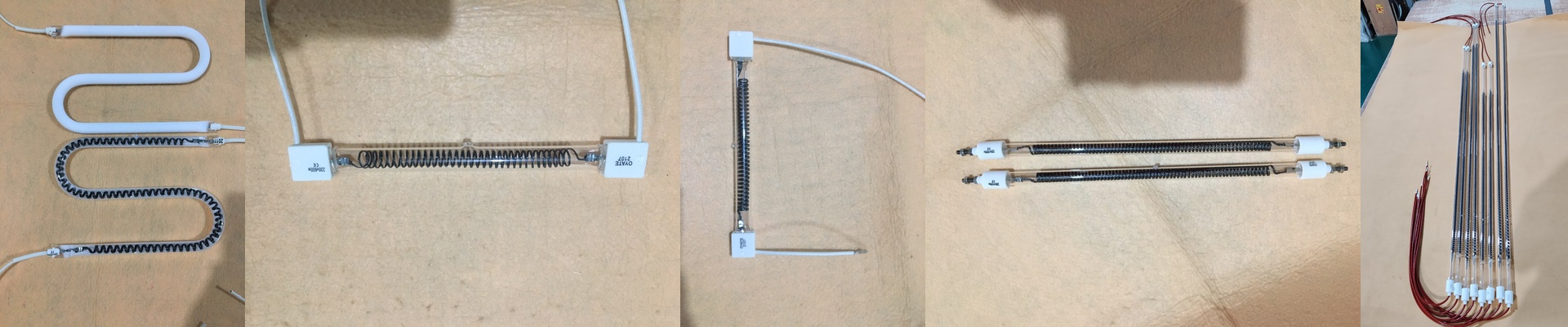
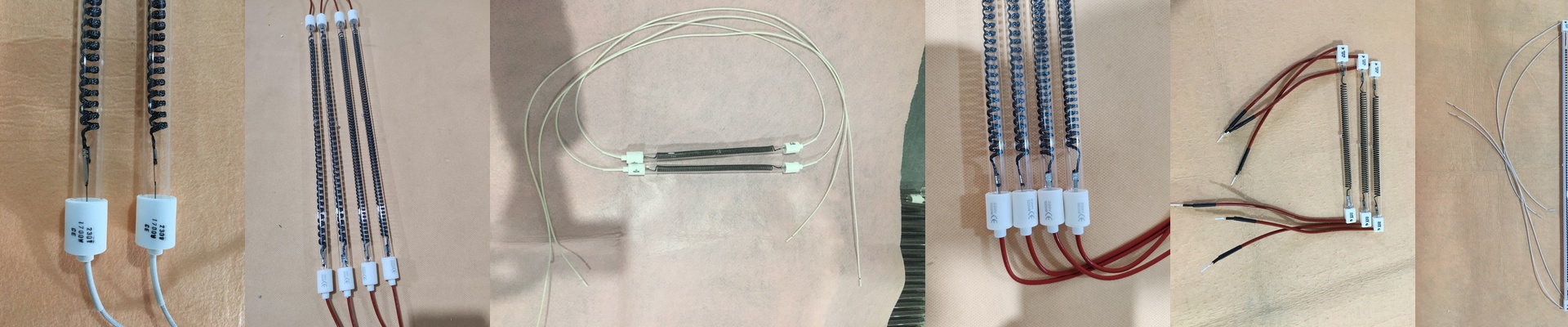
When you’re doing SMT repair, you want to hit your target temperature without baking the entire board. That’s why we lean on short-wave infrared (SWIR). It cuts right through the solder mask to hit the joint directly. If you use a lamp with too low a wattage, you’ll end up in a frustrating spot: you’re melting the plastic components around the chip before the solder even thinks about liquefying. Using high-density quartz tubes lets us cram a lot of energy into a tiny footprint. It’s precise. It’s fast. And it keeps the rest of the board safe.
Picking materials that don’t quit
We use high-purity quartz glass because it can handle the shock of heating up and cooling down rapidly without cracking. I’ve seen way too many shops struggle with lamps that burn out way too early just because the connection points were cheap. We stick with standardized R7s or Sk15 sockets. Why? Because when a lamp eventually goes, you can just pop in a new one. No one wants to spend their afternoon rewiring an entire station. Plus, we found that adding a specific coating to the tube shifts the emission spectrum. This helps you aim the heat at the solder instead of just warming up the board substrate.
The real-world trade-offs
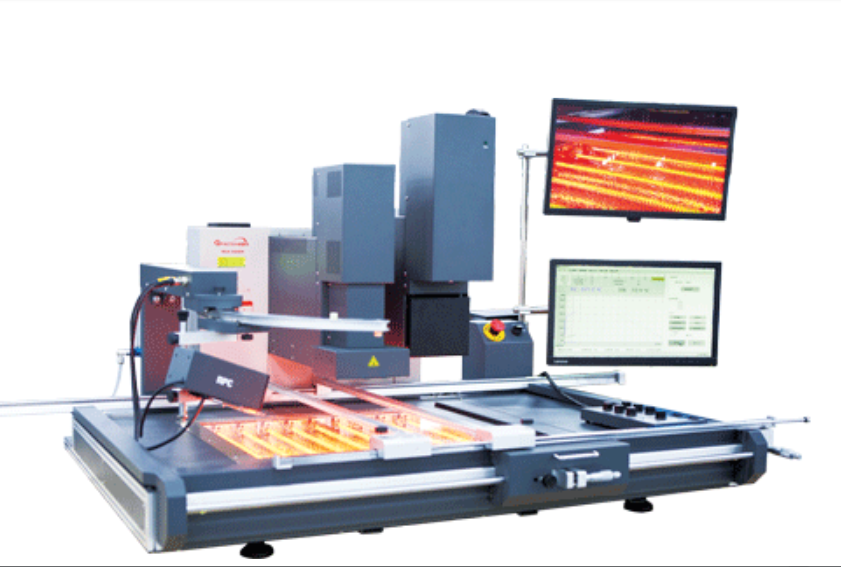
Here’s the thing: high-wattage lamps are great for getting your line moving quickly. But there’s a catch. When you push that much power into a small repair head, things get hot. Really hot. If your ventilation or cooling fans aren’t up to the task, your heater housing might warp, or worse, you’ll damage the very device you’re trying to fix. If your cooling is weak, you’ll be forced to throttle the power. And once you do that, your cycle times crawl. It’s a balancing act, but getting the airflow right is what makes the whole system actually usable.