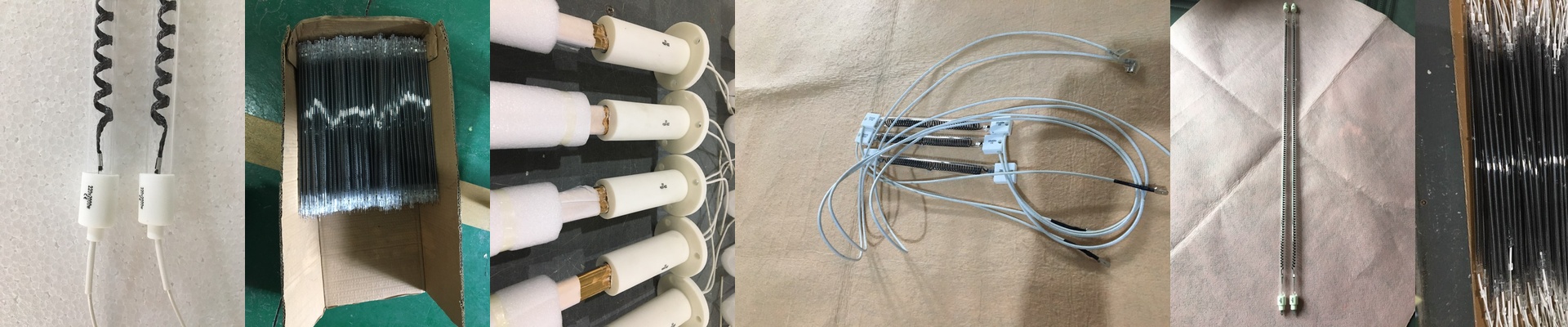

From Smart Watches to Quantum Chips: The Real Deal on IR Heating
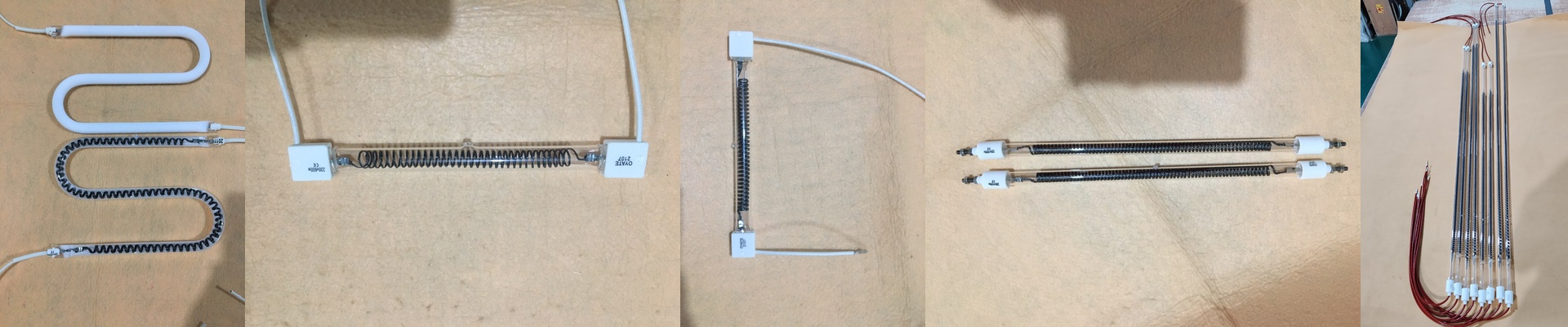
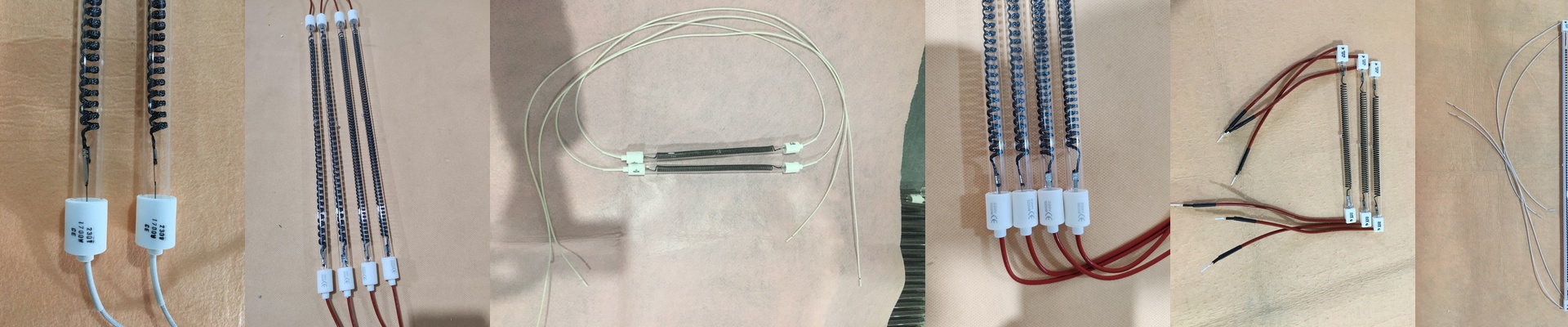
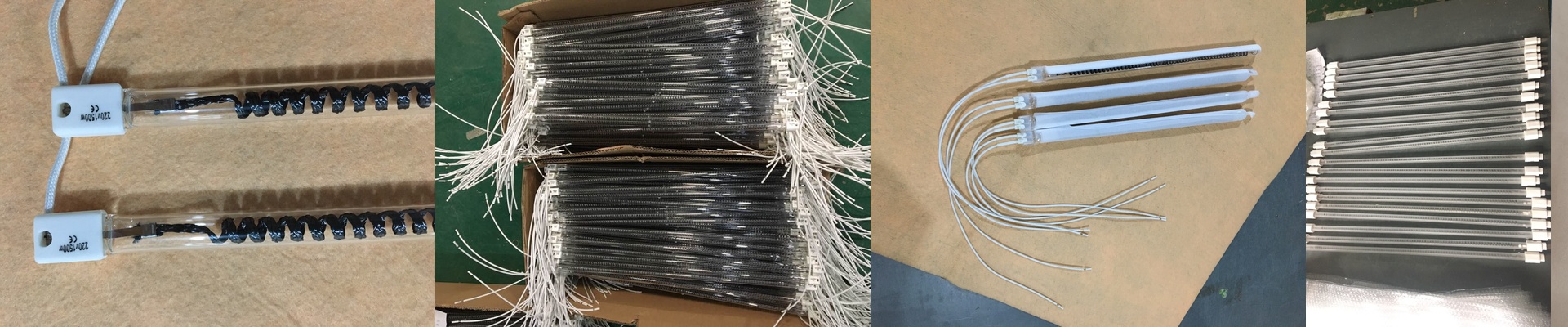
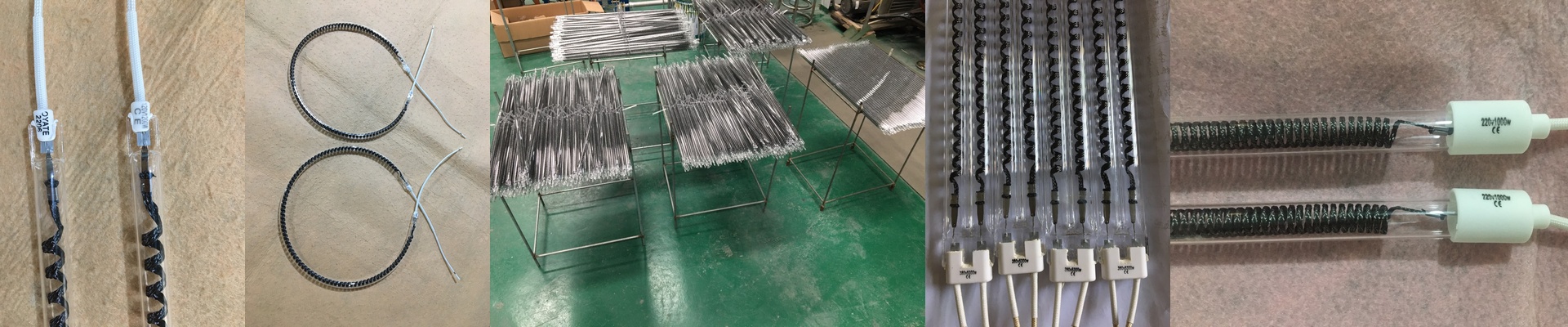
You’ve probably seen those little infrared lamps used in phone or smart watch repair—the ones used to soften glue so you can get inside the device without cracking the screen. It seems simple. But when you scale that same tech up, it becomes the backbone of some of the most complex work on the planet, like building quantum chips. At the end of the day, it’s all the same physics. You’re just turning electricity into targeted heat. Getting the heat right When you’re messing with quantum chips, you can’t just “blast it with heat.” If you do, the substrate warps, and your project is ruined. That’s why we stick with short-wave IR lamps. They dig deeper into the material than long-wave options. By tweaking the wattage and voltage, we can dial in exactly how much heat is hitting the surface. High-wattage tubes are great for fast curing or degassing, but here is the catch: you’ve got to have a cooling system that actually works. If your chassis can’t get rid of the ambient heat, things get hot—fast—and you’re looking at thermal runaway. The hardware side of things We use high-purity quartz glass for these lamps. Why? Because they have to survive extreme thermal shock without shattering. A lot of our tubes also have a special coating. This pushes the energy directly onto the wafer instead of wasting it by heating up the rest of the housing. To make life easier on the shop floor, we use standard R7s or Sk15 connectors. They just pop right in. No fussing with weird wiring, which means less downtime when it’s time to swap a lamp. The trade-offs Nothing is perfect. You get that instant, high-intensity heat from a halogen source, but you pay for it in lifespan. Unlike resistive heaters, these lose their punch over time. You’ll notice the light dimming slightly after a few thousand hours. My advice? Set a schedule to replace them. Don’t try to “cheat” the system by cranking up the voltage to make an old lamp feel new again. All that does is fry the filament, and then you’re replacing the lamp way sooner than you planned.