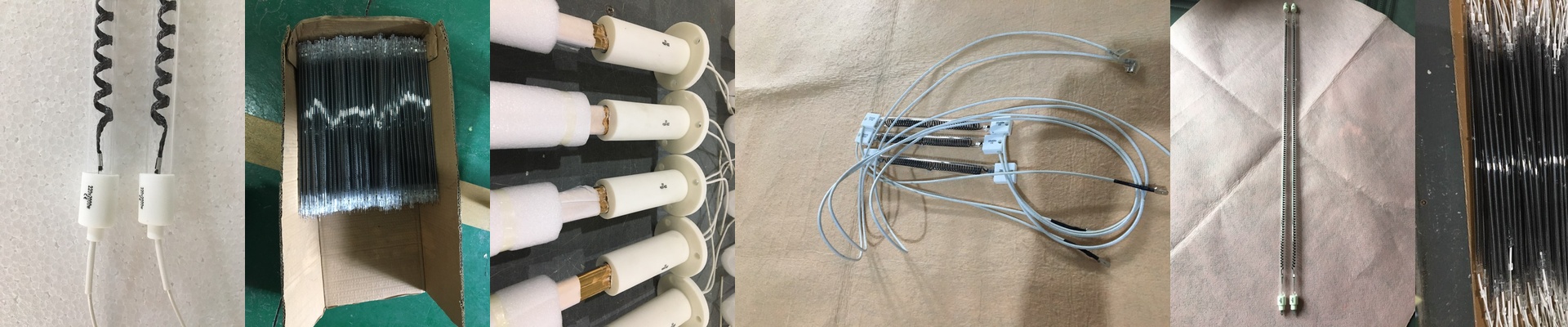
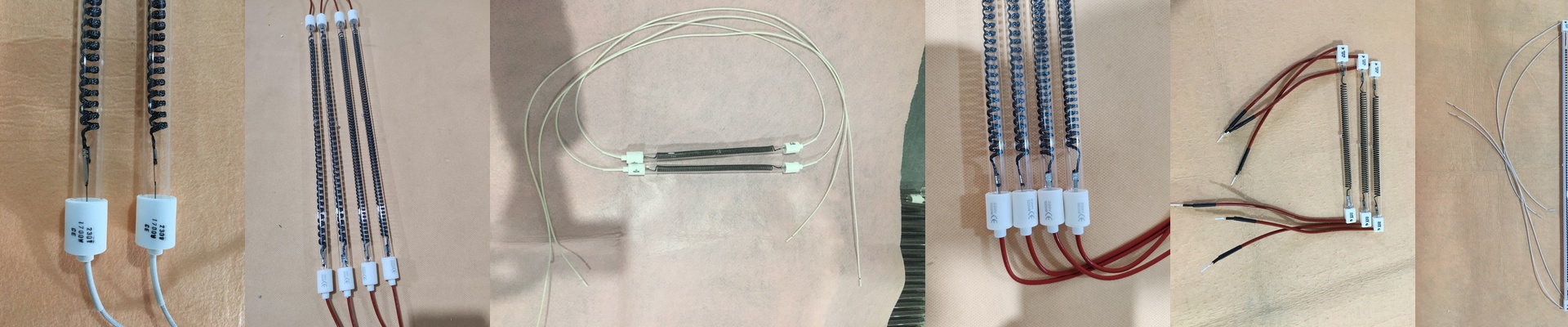
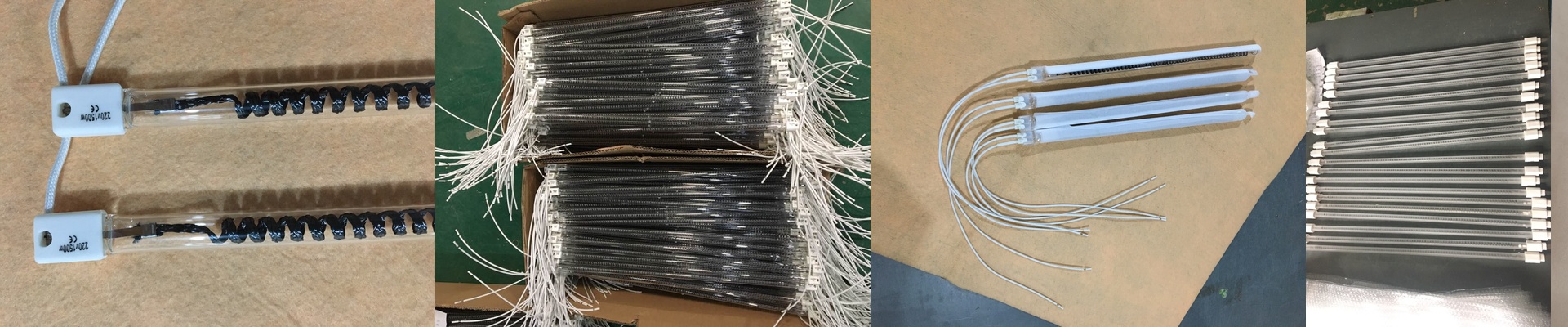
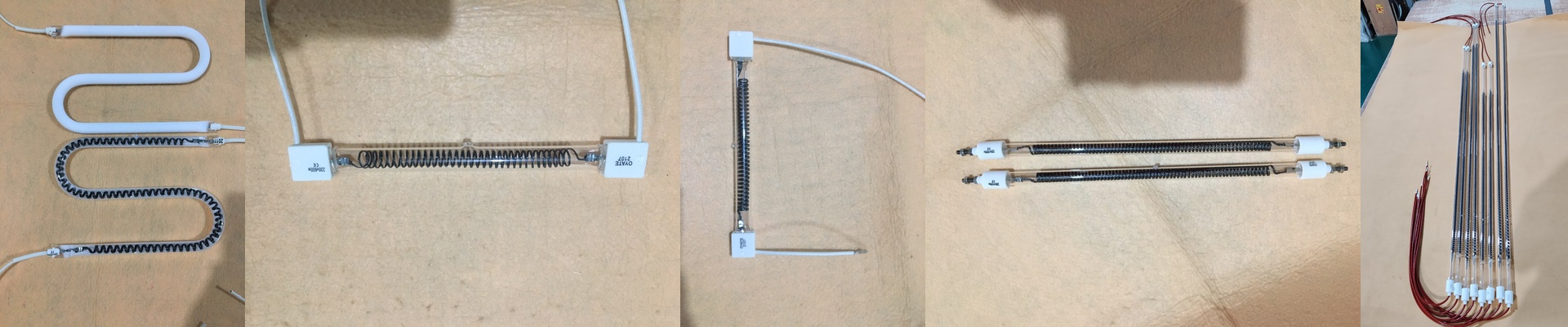
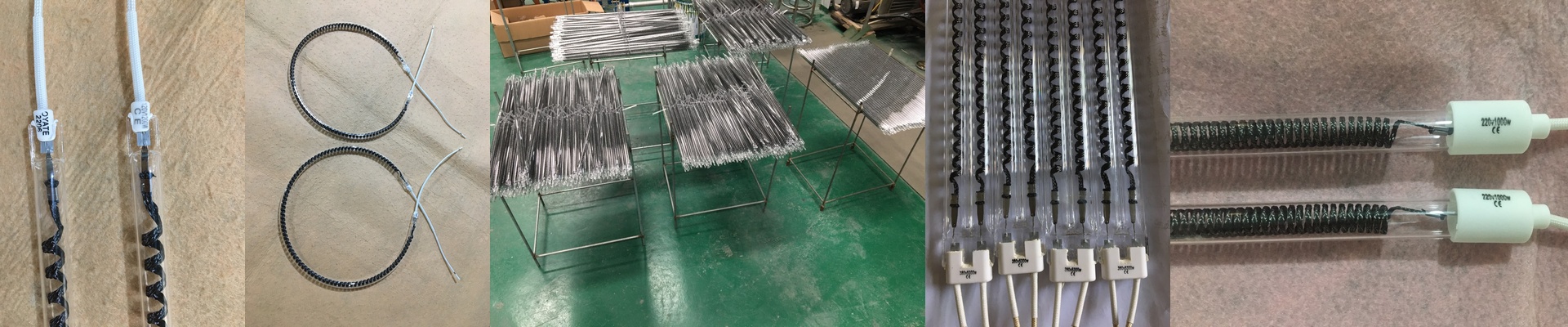
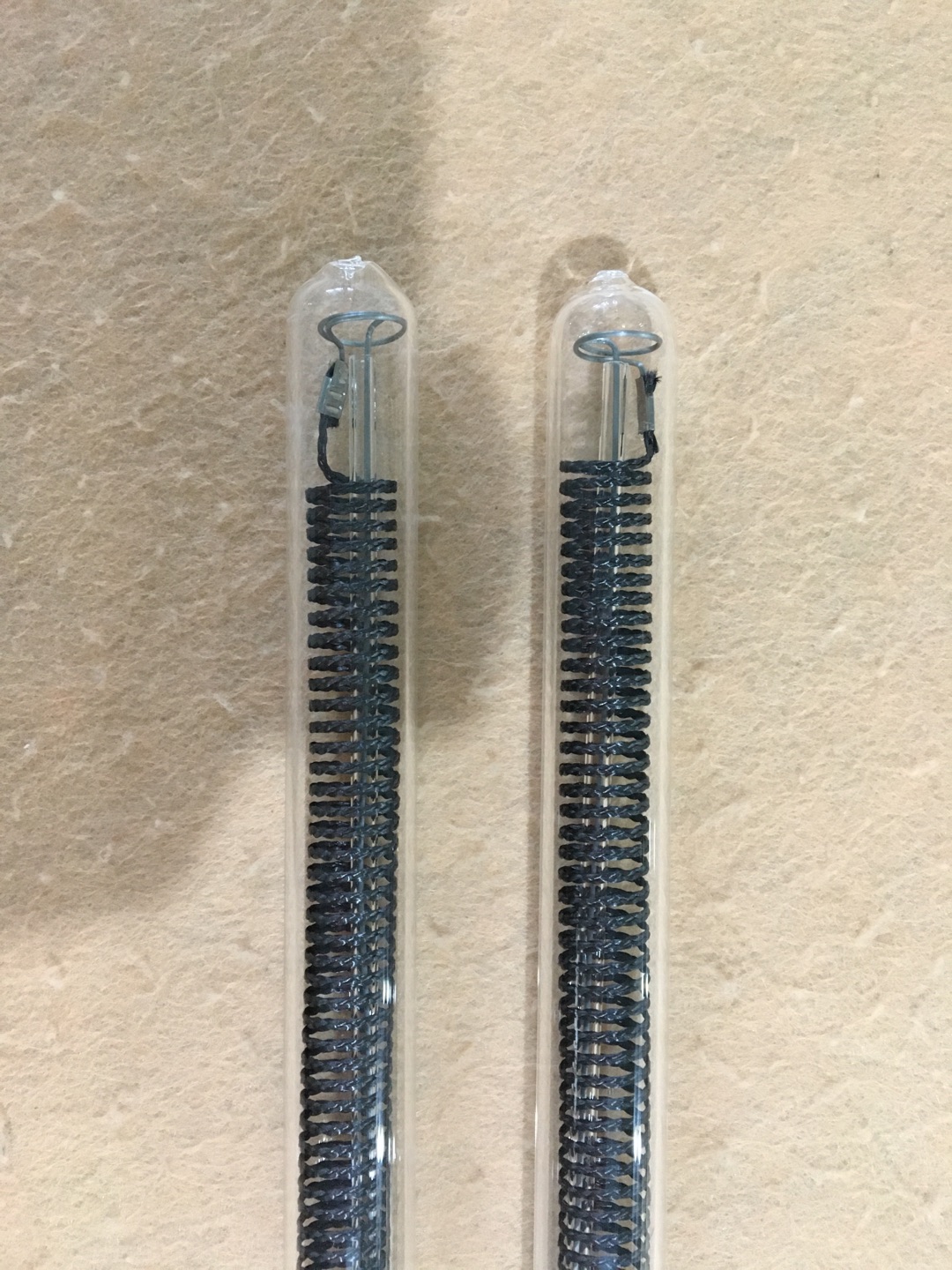
Let’s Talk About 220V 2000W Carbon Fiber Heating Lamps
If you’re dealing with heavy-duty thermal loads, you know the struggle. Standard quartz heaters are fine for some things, but they have a breaking point. That’s why we went with carbon fiber filaments. They can handle way more power in a tiny space without just snapping the moment things get hot. The Power Side of Things Running 2000W at 220V gives you a massive punch of heat. It’s fast. Really fast. And that’s a lifesaver when you can’t afford to sit around waiting for a pre-heat cycle to finish. Just a heads-up: make sure your wiring is up to the task. If your circuit can’t handle the amperage, you’ll get voltage drops. When that happens, your heat output tanks, and you’re left wondering why the lamp isn’t hitting its mark. Why Carbon Fiber Actually Matters Here’s the thing about carbon fiber—it doesn’t just blast the surface of your material. It emits a broader spectrum of infrared radiation, so the heat actually sinks deeper into whatever you’re working on. No more scorched exteriors with cold centers. We wrap the whole thing in high-purity quartz glass to keep the filament from oxidizing. But be careful. Quartz loves heat, but it hates being bumped. If your mounting brackets are too tight or put pressure on the tube, it’ll crack during a thermal cycle. Give it a little breathing room. Putting Them to Work These are great if you’re looking to swap out those old, tired halogen arrays in your PET blowing or plastic welding setups. You’ll notice the heat is much more consistent across the whole tube. If you want these to last, do yourself a favor and use a PID controller. If you just use open-loop switching, the filament cycles too aggressively. It’s basically like slamming on the brakes and the gas repeatedly—it’ll wear the lamp out way faster. Also, take a look at your reflectors. If the geometry doesn’t match the lamp’s emission angle, you’re just heating up your machine frame instead of your product. And nobody wants that.