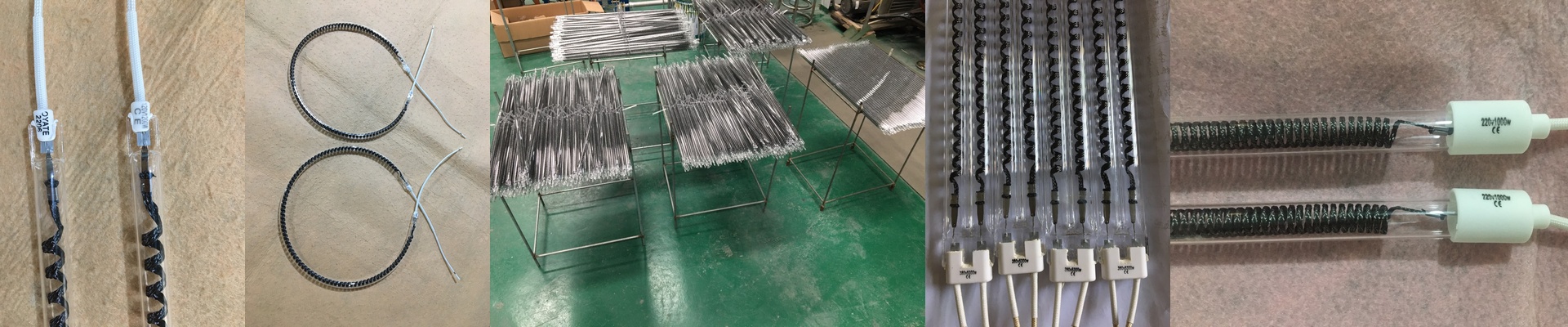
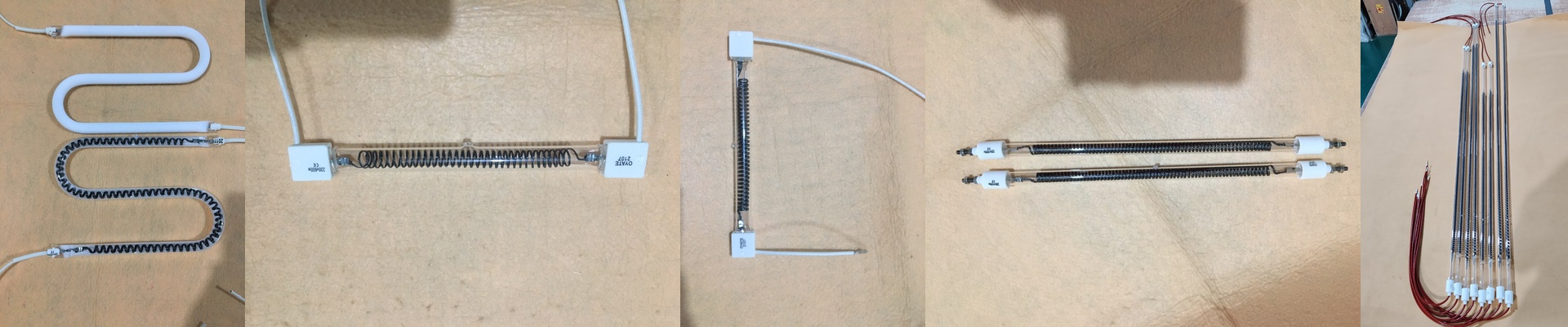
Getting More Heat Into Less Space: The S-Shape Carbon Fiber Lamp
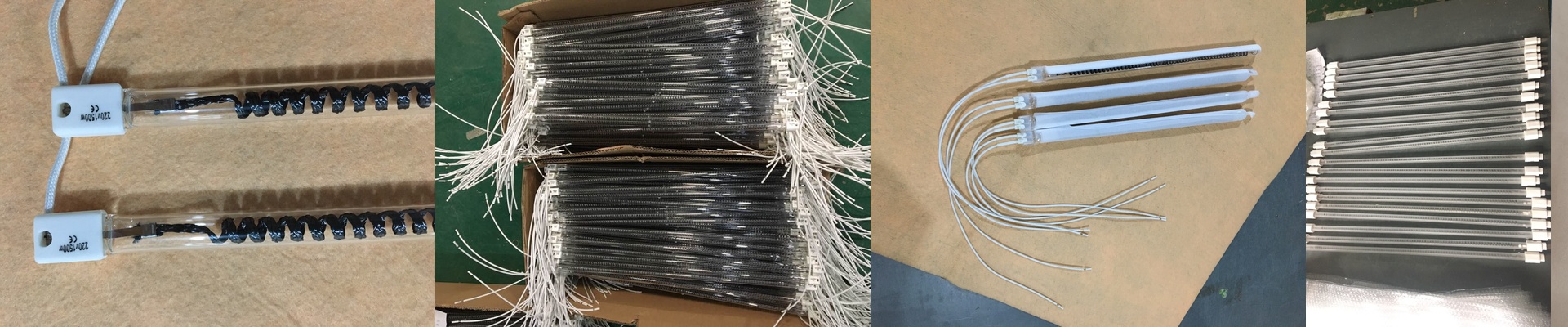
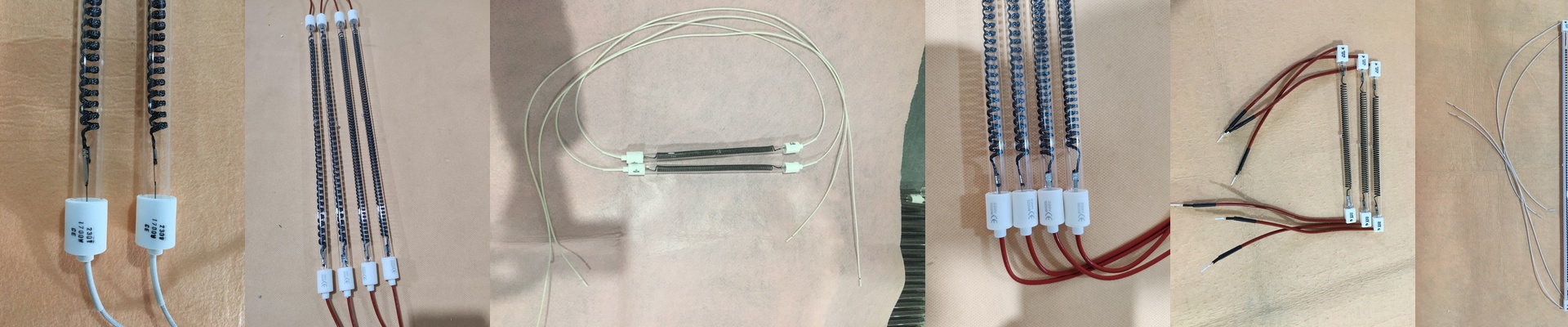
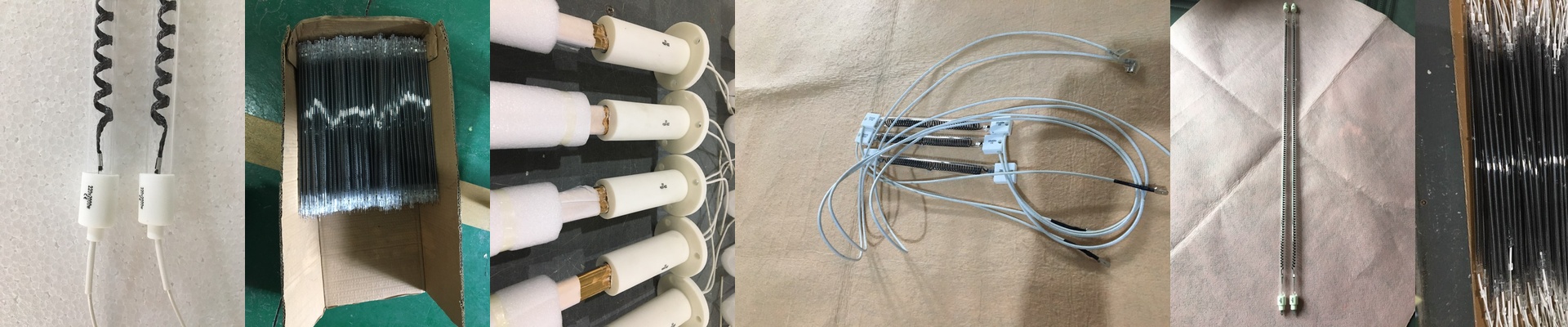
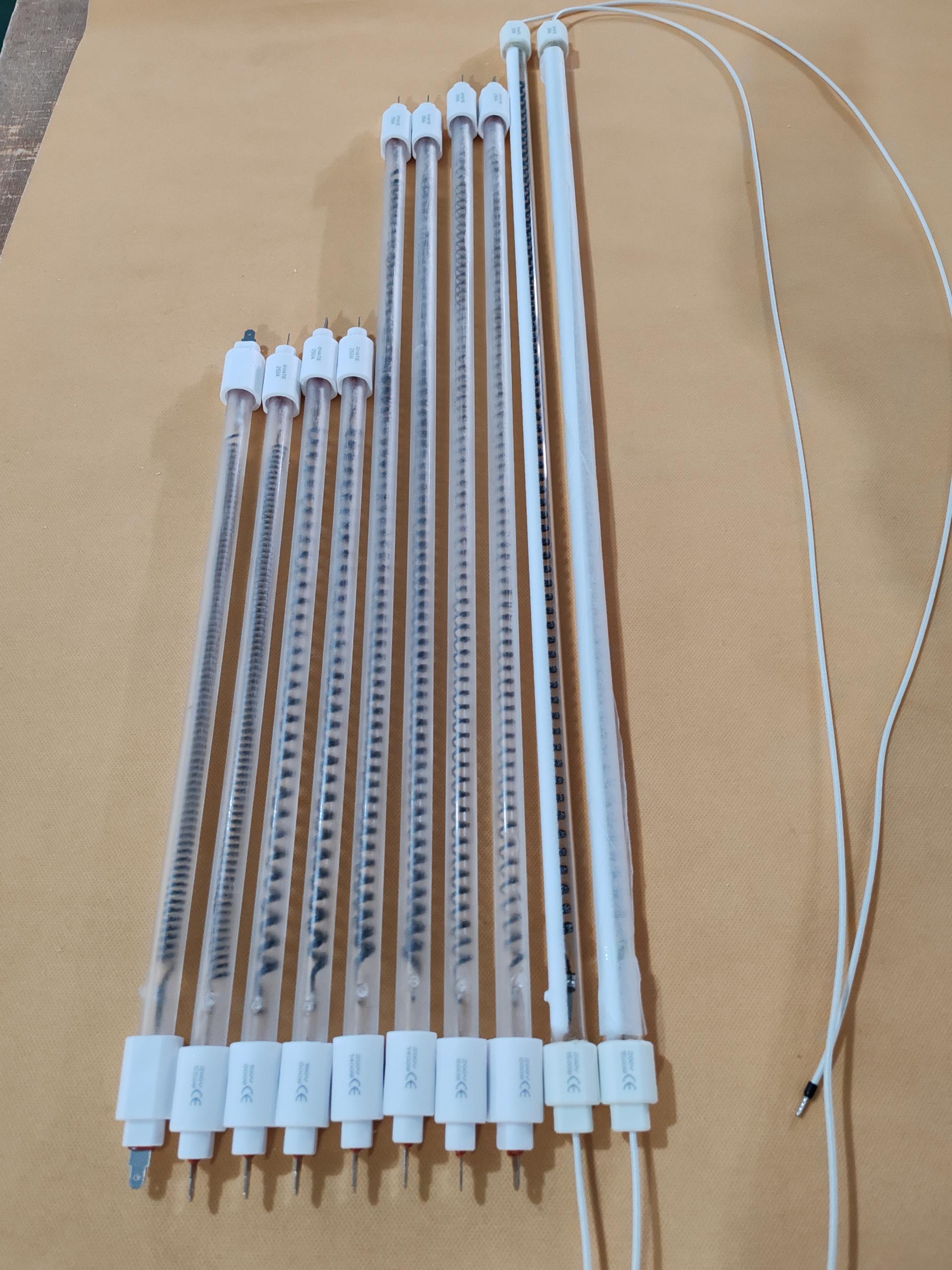
Let’s be honest: industrial printing machines are usually cramped. You rarely have the luxury of just “adding more space” to your chassis when you need more heat. That’s why we went with the S-shape for our carbon fiber infrared lamps. By curving the element, we can cram way more heating length into a short, linear footprint. You get the wattage and the punch you need without having to tear apart your machine and rebuild it from scratch. The magic of shortwave IR These lamps don’t waste time. They use shortwave infrared radiation, which means they hit your target temperature in seconds. The best part? You aren’t wasting electricity heating up the air around the machine. The energy goes straight into the substrate. It’s direct, it’s fast, and it’s efficient. One quick heads-up on the power side: we calibrate the filament density based on your voltage so the lamps don’t burn out early. But if you’re running a high-wattage setup, double-check your wiring. If your cables are too thin, you’ll get voltage drops, and your drying will look patchy across the web. Nobody wants that. Built to last (if you treat them right) The S-curve does more than save space—it spreads the heat more evenly across the surface. We wrap the carbon fiber in high-purity quartz glass so the IR waves slide right through instead of getting trapped in the tube. When it comes to installation, we can do various end-cap connectors. Whether you prefer a threaded connection or a press-fit, we’ll make sure it’s a drop-in replacement for what you’re using now. Just one thing:**the seal has to be airtight.**If oxygen leaks into that quartz envelope, the carbon fiber oxidizes and the lamp dies instantly. It’s a brutal death, so don’t skip the seal check. Putting them to work These are perfect for flash-drying inks or curing coatings. Because they ramp up so quickly, you can actually speed up your entire production line. But be careful with your alignment. If that S-curve is sitting too close to your material, you’re going to scorch it. I always recommend using a PID controller with a thermocouple. It keeps the heat steady and stops those nasty spikes from ruining your work.