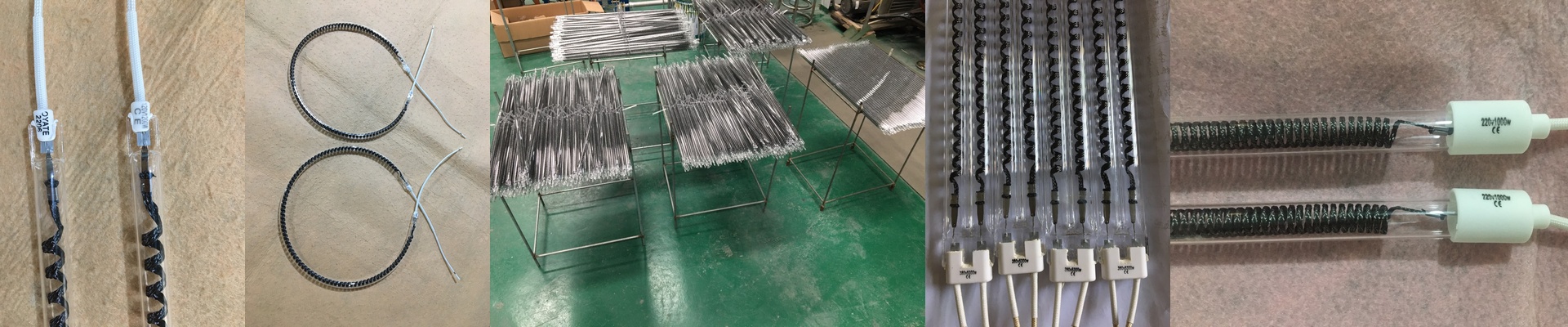
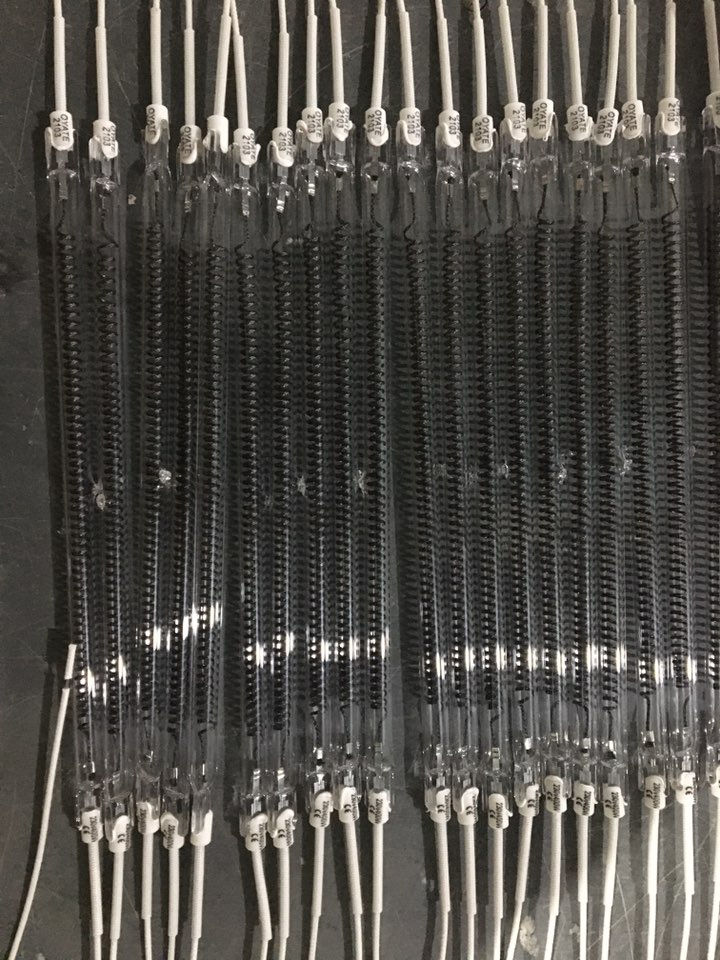
Let’s Talk About the 1000W Half-Gold Carbon Fiber IR Lamp
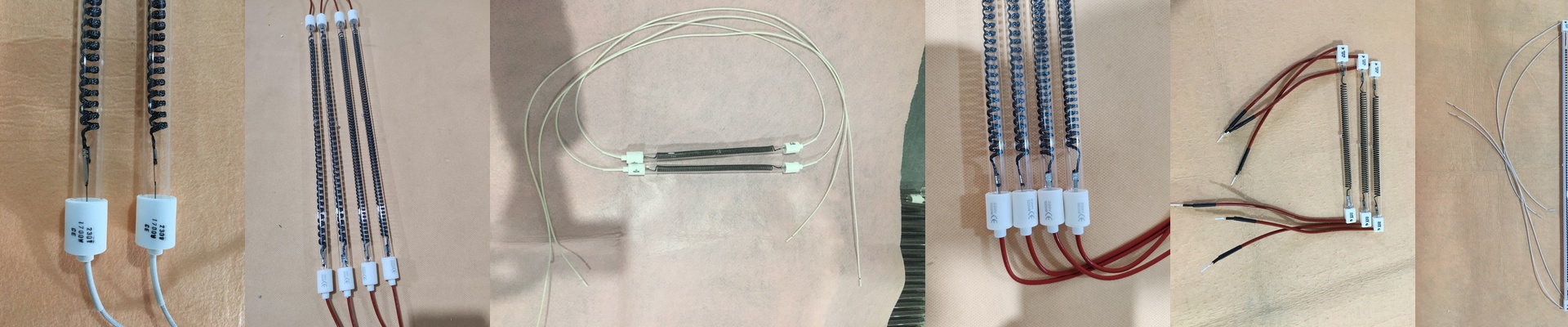
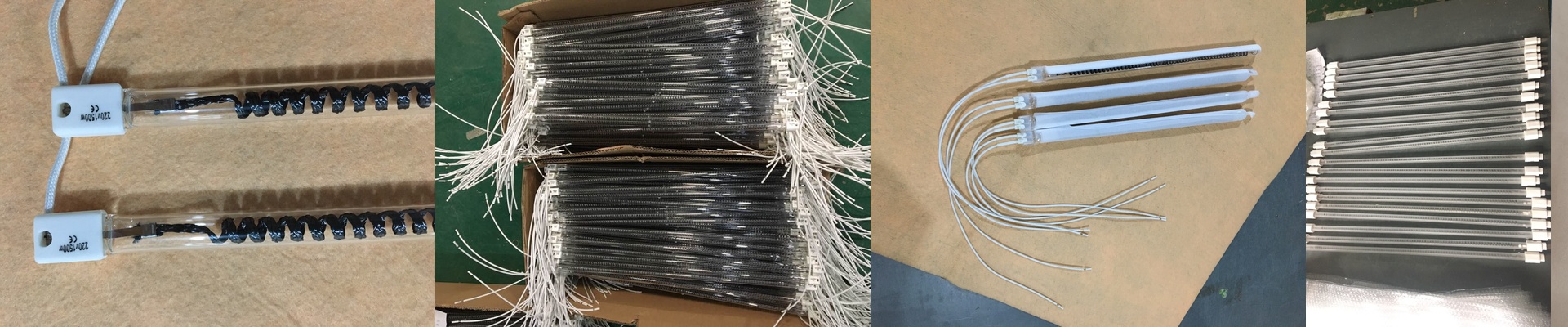
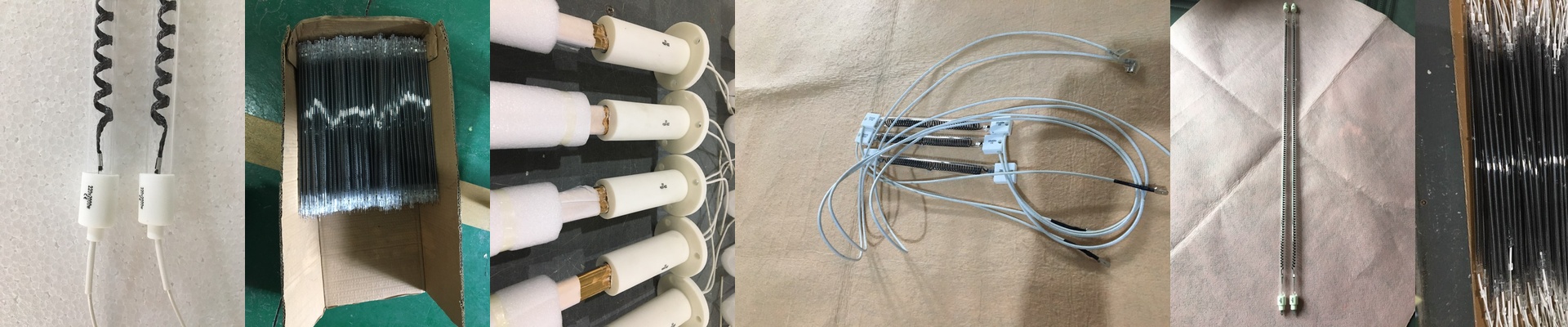
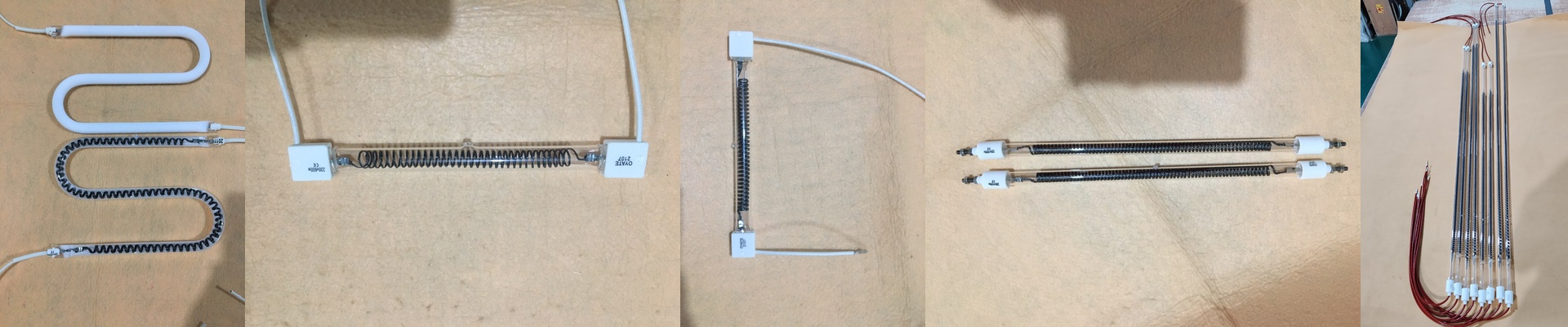
We built these 1000W, 220V lamps for those moments when you can’t afford to wait for things to heat up. If you need a fast thermal response and total control over your wavelengths, this is the tool for the job. By pairing a carbon fiber heating element with quartz glass and a partial gold coating, we’ve made something that handles heat a lot more precisely than those basic clear quartz tubes you see everywhere.
The Power Side of Things
Since these run at 220V, you’re getting a massive amount of heat flux across the length of the lamp. It’s powerful. It means you hit your target temperatures almost instantly. Just a heads-up: make sure your wiring and power supply can actually handle the draw. If you get a voltage drop, your radiant output will dip, and you won’t get that punchy heat you’re looking for.
Why Carbon Fiber and Gold?
Most people are used to tungsten filaments, but they just don’t hit the same way. We went with carbon fiber because it stays cooler while pumping out strong medium-to-long wave infrared. But the real secret is thehalf-gold coating. Think of it as a mirror for heat. It bounces the energy back toward the source or pushes it right into your workpiece, so you aren’t wasting energy on the walls of your machine. It also shifts the emission spectrum, which is a lifesaver when you’re working with materials that usually ignore standard IR. And the quartz glass? That’s there to keep the filament from oxidizing and to make sure the lamp doesn’t crack when you flip it on and off rapidly.
Putting It to Work
These are pretty much “plug and play” for most industrial drying and curing ovens. We see them working wonders in PET blowing or plastic welding—basically anywhere you need a tight, focused heat footprint. One thing to watch out for: that gold coating makes the glass getreally hot. If you mount these too close to plastic housings or sensitive parts, you’re going to melt your fixtures. Just be smart with your reflectors and keep your cooling fans dialed in to handle the reflected heat.