Getting Your Quartz Carbon Heating Tubes Just Right
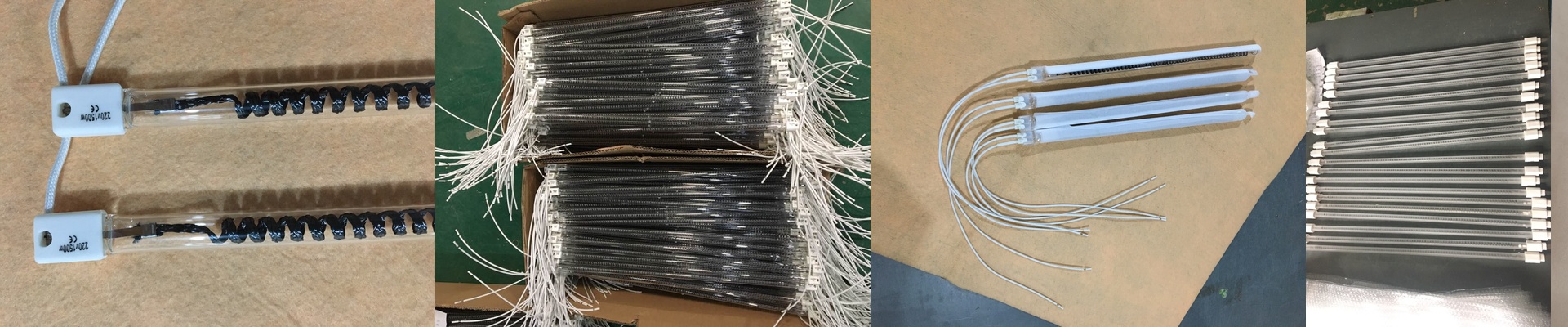
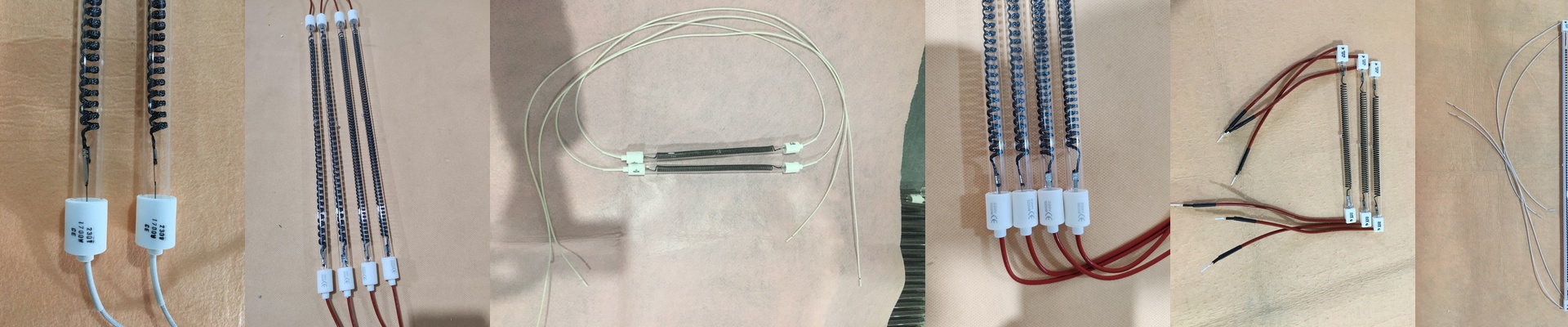
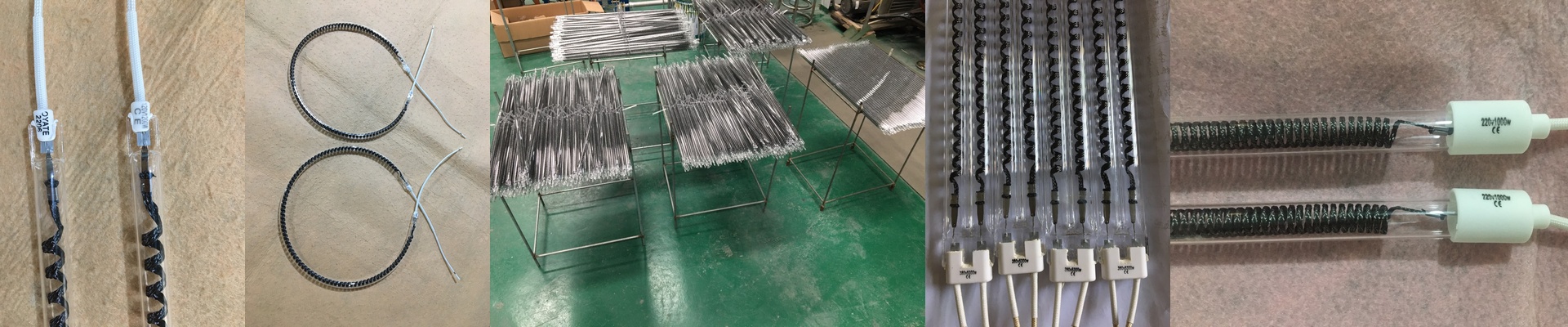
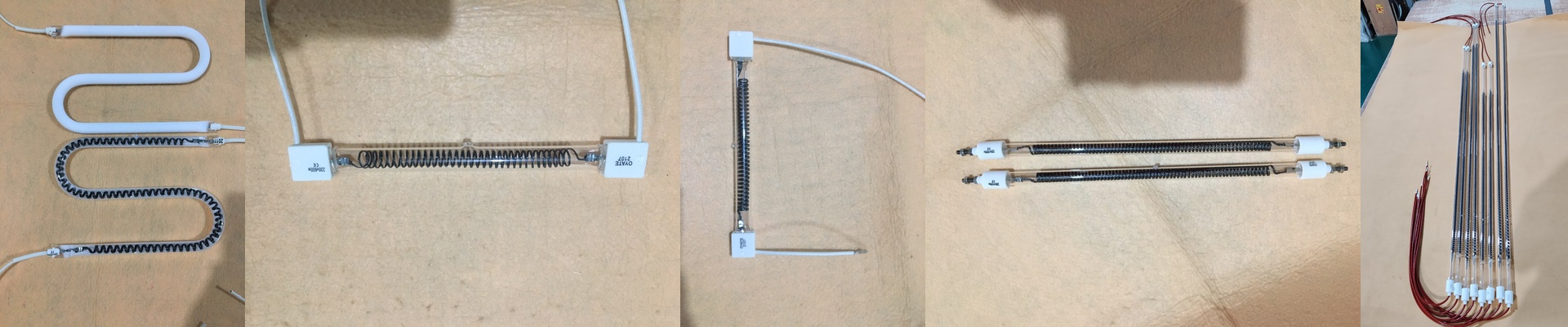
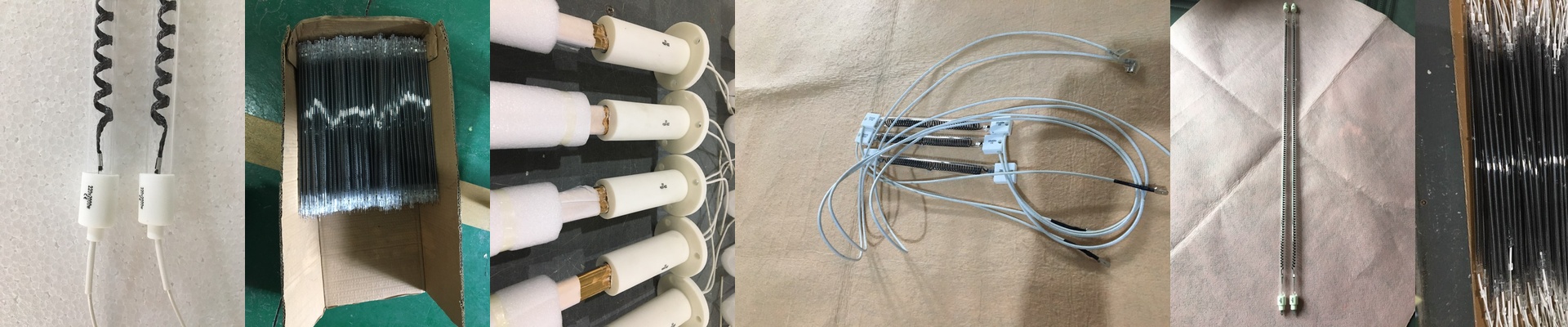
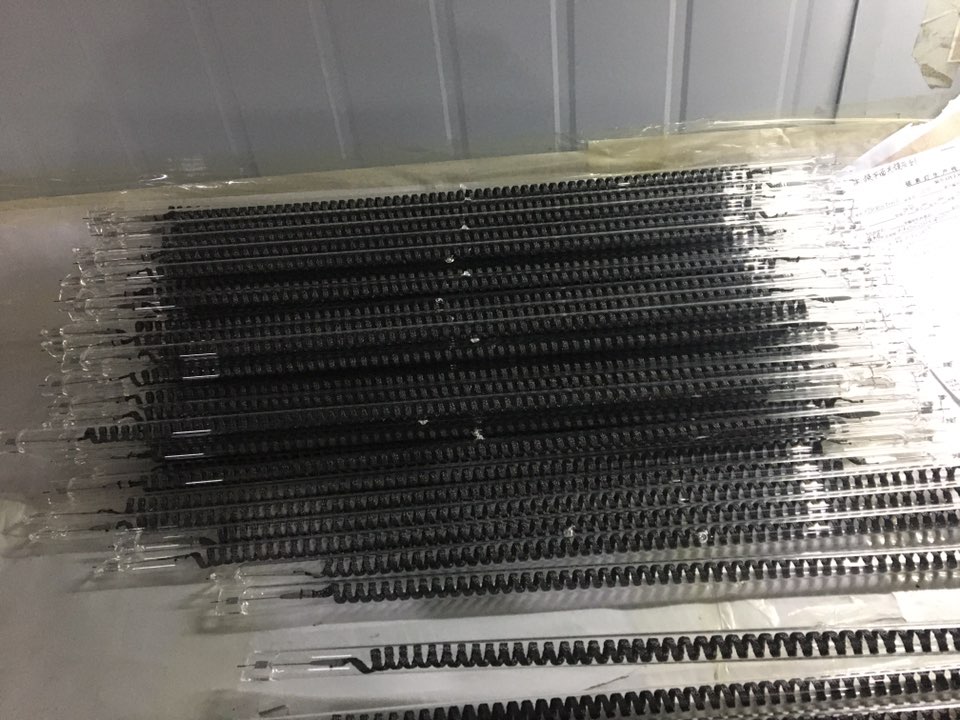
Let’s be honest: off-the-shelf lamps usually don’t cut it. You’ve got a specific setup, a specific voltage, and a specific amount of heat you need to hit. If the lamp doesn’t match your gear, you’re just wasting time. That’s where we come in. We build quartz carbon heating tubes from the ground up. We take a carbon filament, wrap it in high-purity quartz, and tune it so it heats up fast—really fast—and hits the exact infrared spectrum your materials actually absorb.
Dialing in the Power
Here is the thing about power: it’s a balancing act. If you take a shorter tube and push more wattage into it, the surface temperature spikes. That’s great if you need a quick cycle. But you have to make sure your voltage matches your power supply. If you don’t, you’re just asking for a burnout. And a quick heads-up: if you’re cramming high-wattage units into a small space, that housing is going to get hot. Like, really hot. Make sure your fans or heat sinks can actually handle that load, otherwise, you’ll end up with warped reflectors and a big headache.
The Nitty-Gritty on Materials
The quartz shell isn’t just there for looks; it keeps the carbon from oxidizing and dying early. Depending on what you’re working with—plastics, metals, you name it—we can add different coatings. This shifts the heat from shortwave to medium-wave so it actually penetrates your material instead of just bouncing off. As for the plugs, we stick to the classics like R7s or Sk15. Why? Because they fit tight and stay put. There’s nothing worse than a loose connector causing arcs or overheating right at the terminals. It’s a small detail, but it’s the difference between a smooth run and a fire hazard.
Making it Work in Your Shop
We see these tubes a lot in PET blowing and curing lines. In those setups, you can’t have “hot spots”—you need the heat to be perfectly even across the whole conveyor. Since we customize the length and power, we can help you nail that thermal profile. Plus, if you’ve got old, worn-out units, we can just build drop-in replacements. Just send over your dimensions and voltage, and we’ll match the output. One last piece of advice: don’t redline your equipment. Pushing a tube to its absolute max temperature will kill the filament faster. It’s all about finding that sweet spot between how fast you need the job done and how often you want to be replacing parts.