Why “Just Using a Heat Gun” Doesn’t Work for Smartwatches
If you’ve ever tried to fix a modern smartwatch with a standard heat gun, you know the struggle. The internals are just too cramped. You try to warm up one spot, and suddenly you’ve accidentally cooked a nearby capacitor or fried an IC. It’s a nightmare. That’s why we stopped thinking about “heating” and started thinking aboutprecision. It’s not about blowing hot air around; it’s about putting thermal energy exactly where it needs to go without leaking heat into everything else.
The Trick to Targeted Heat
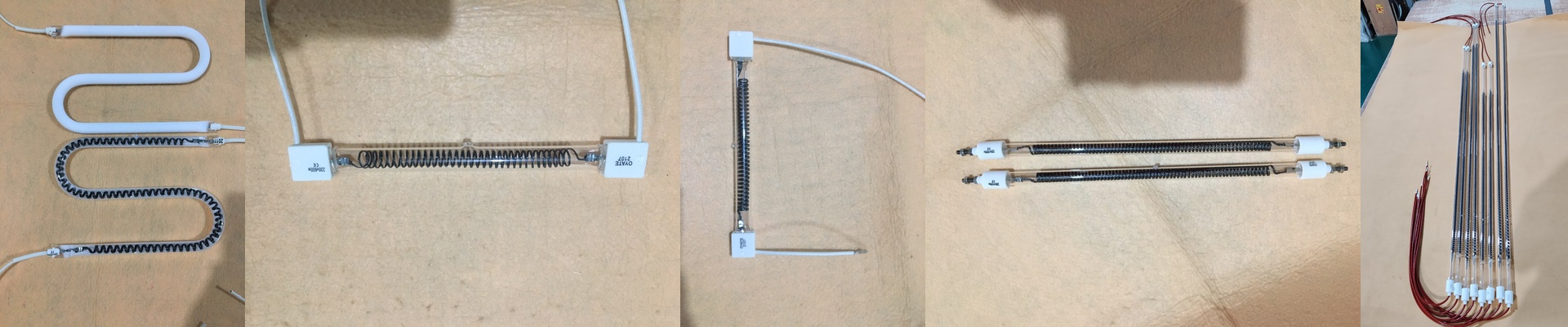
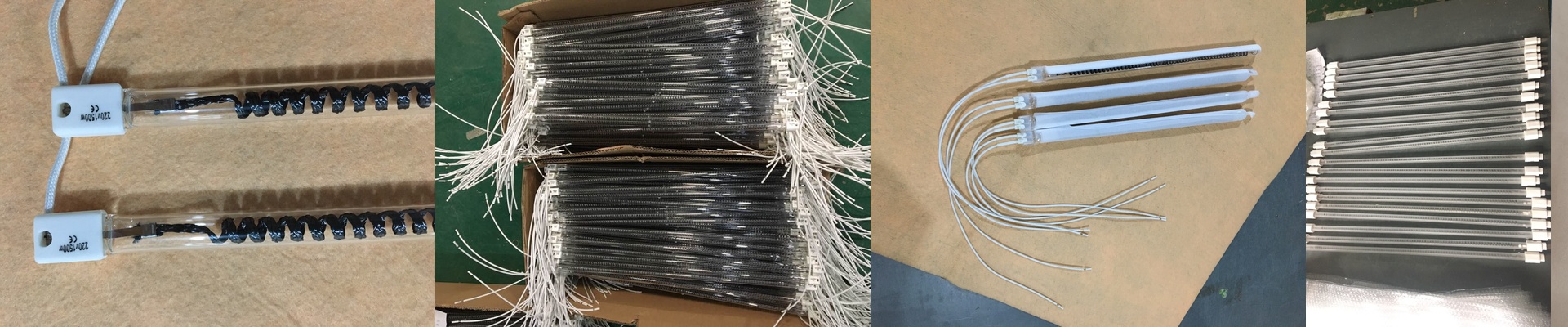
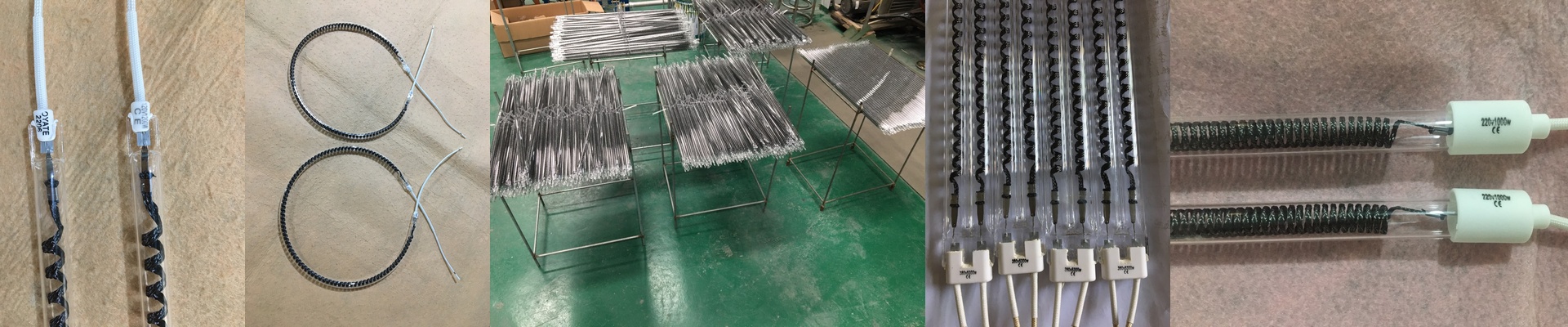
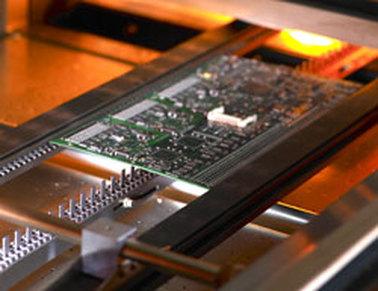
Repairing a smartwatch is like walking a tightrope. You have a tiny window of temperature to hit. If you go over by even 10°C? You’re looking at a delaminated PCB or a dead battery. To fix this, we use short-wave infrared (IR) emitters. Instead of heating the air, the IR goes straight to the component. It’s cleaner. The rest of the chassis stays cool, which means you aren’t risking the whole device just to get one part off. The energy hits fast and hard. It melts adhesive and solder joints in a snap. Because it happens so quickly, the heat doesn’t have time to “soak” into the board, which is usually what causes those annoying warps in small devices.
The Trade-offs (Because Nothing is Perfect)
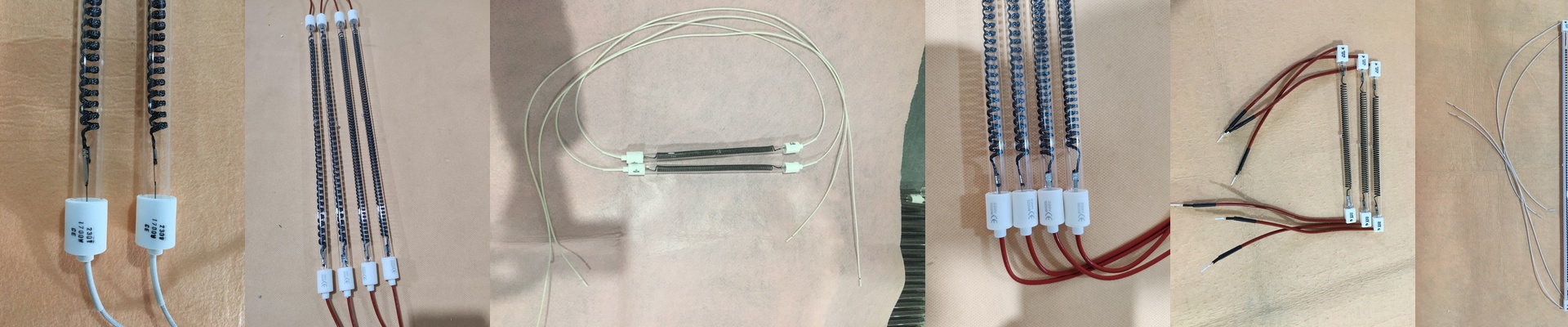
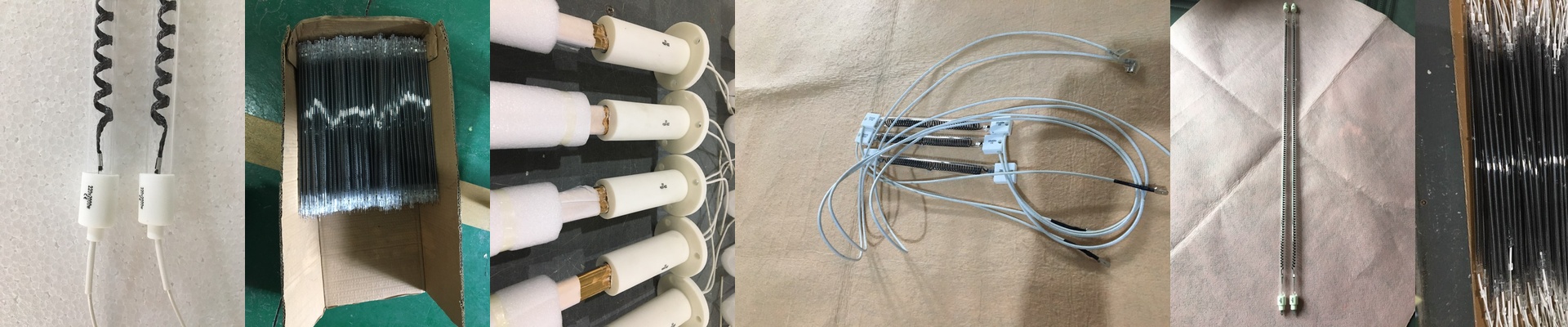
We build these lamps to be workhorses. We use quartz envelopes because they let the IR energy pass through without the glass soaking it up. But here’s the catch: high-intensity IR lamps gethot. Like, really hot. While the target gets a precise dose, the lamp housing itself needs active cooling or a serious heat sink. If you don’t, the assembly will just burn out if you’re running back-to-back repairs. We also use reflectors to tighten the beam, but that makes the focal point incredibly intense. You have to be spot-on with your distance, or you’ll scorch the substrate before you even realize what happened.
Moving Beyond “Gut Feeling”
For a long time, repair work relied on “technician feel”—that intuitive sense of this feels hot enough. But you can’t scale that. You can’t teach “feel” to ten different people across five different service centers and expect the same result. By switching to automated lamps, we turn that guesswork into a technical spec. You lock in the wattage, set the timer, and the human error variable just… disappears. It’s the only way to grow a repair business without watching your failure rate climb.