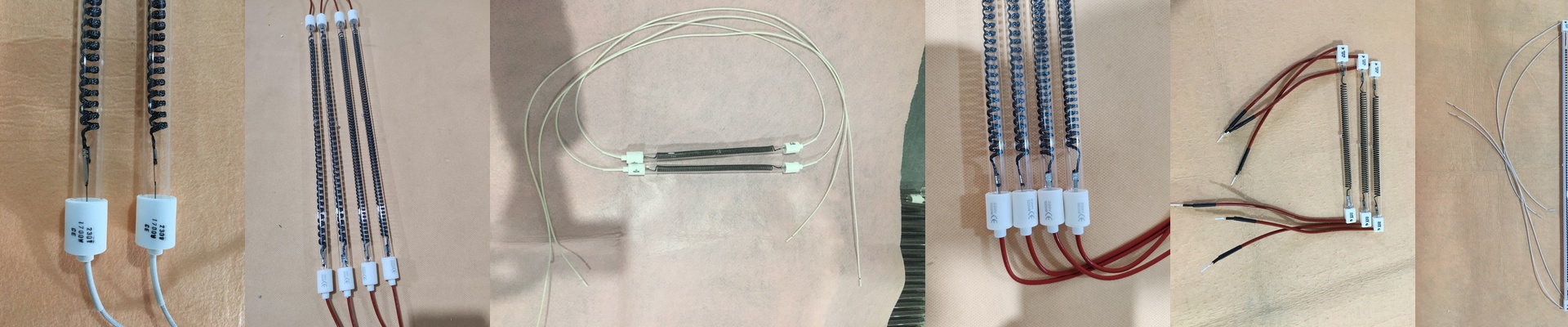

Getting the Heat Right in Device Repair
Repairing smart home gear is a bit of a balancing act. You can’t just blast a circuit board with heat and hope for the best—that’s a fast track to melted plastic or a dead board. We built our repair heaters to hit a very specific sweet spot. The goal is to get the energy straight into the solder without cooking everything else around it.
It’s All About the Wavelength
Here’s the thing: it isn’t just about making something “hot.” It’s about where that energy actually goes. By tweaking the filament and using a specific type of quartz, we’ve shifted the light spectrum to match what the solder actually absorbs. This means the heat goes exactly where it’s needed—the joint—instead of soaking into the board itself.
The Trade-offs
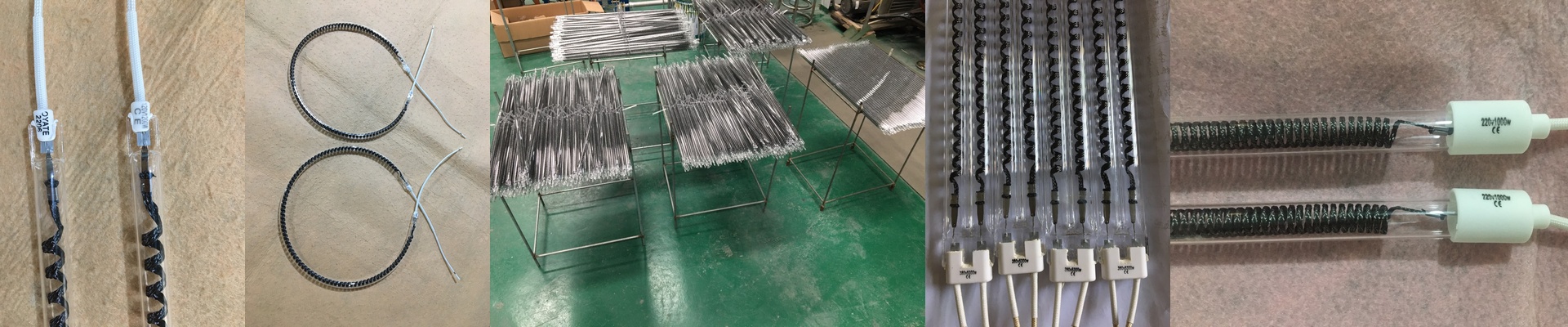
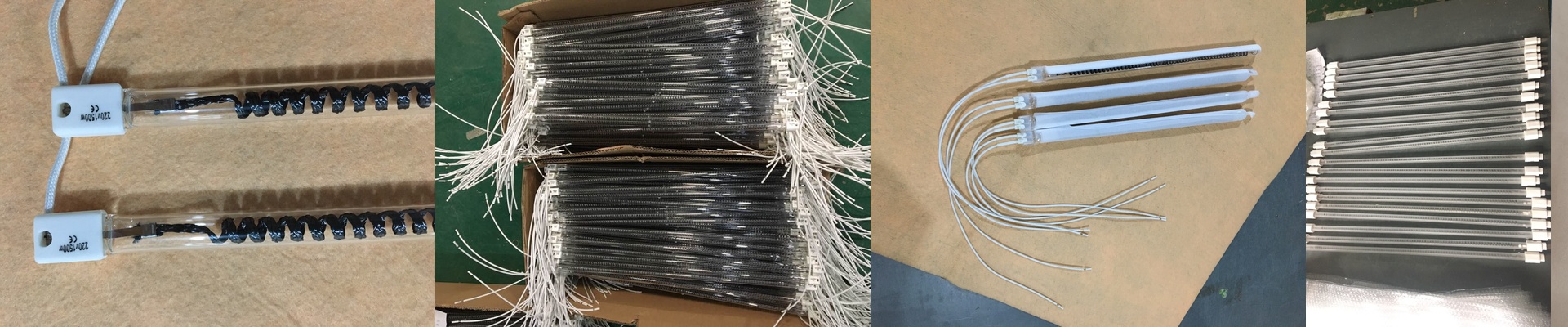
In the lab, we spend a lot of time obsessing over the size of the heater versus the power it puts out. We use high-density elements so your repair station doesn’t have to be massive, but that creates some intense hotspots. To keep the lamps from burning out, we use high-purity quartz. They heat up incredibly fast. But a word of warning: you have to be careful with your distance. If you mount the lamp too close to the PCB, you’re going to scorch the mask.
Putting It to Work
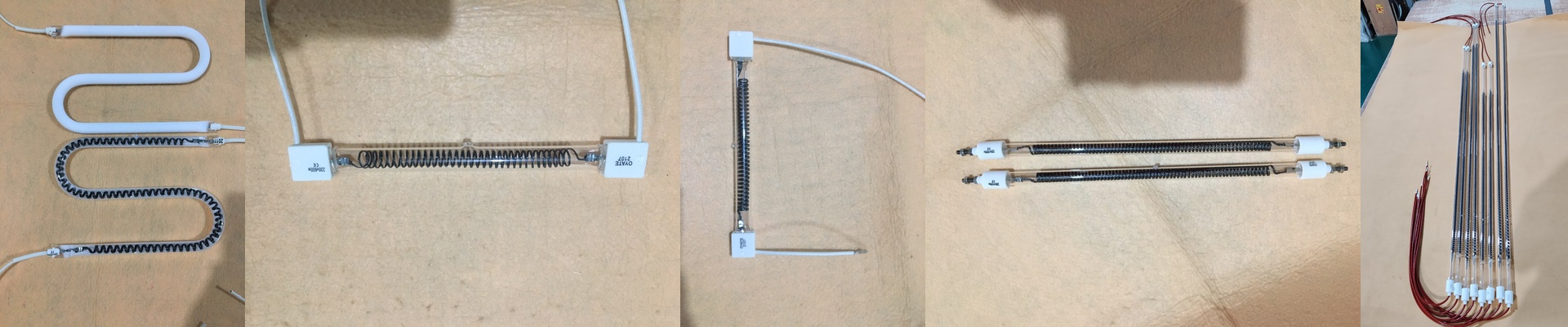
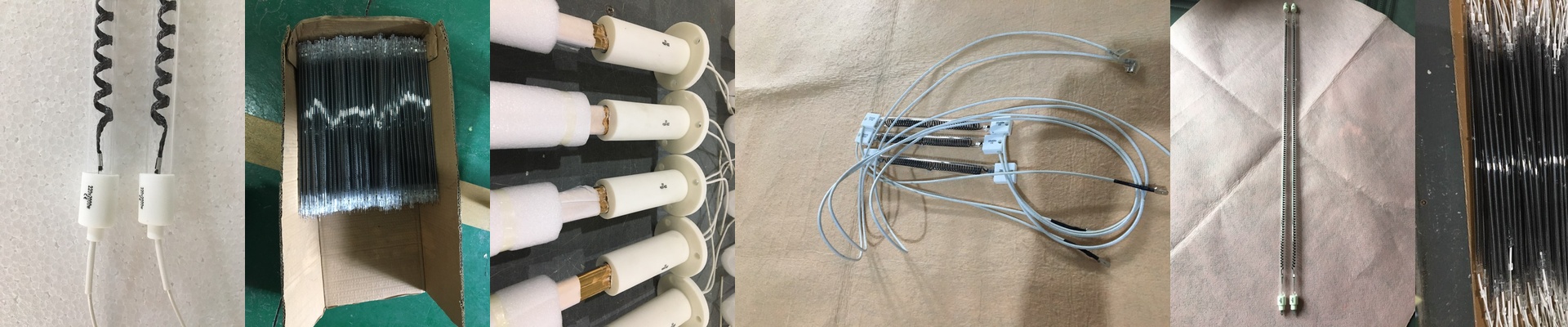
We designed these to be simple drop-in replacements for pro rigs. The connectors are standard, so you won’t be hunting for weird adapters or soldering custom wires just to get it running. One tip: these things put out a lot of concentrated heat. Make sure your ventilation can keep up with the hot air. We decided to prioritize spectral purity over raw power. Why? Because it keeps your scrap rate low. No more guessing games with thermal profiles—just clean desoldering that actually works.