Stop Guessing When Your Smart Meters Will Die in the Cold
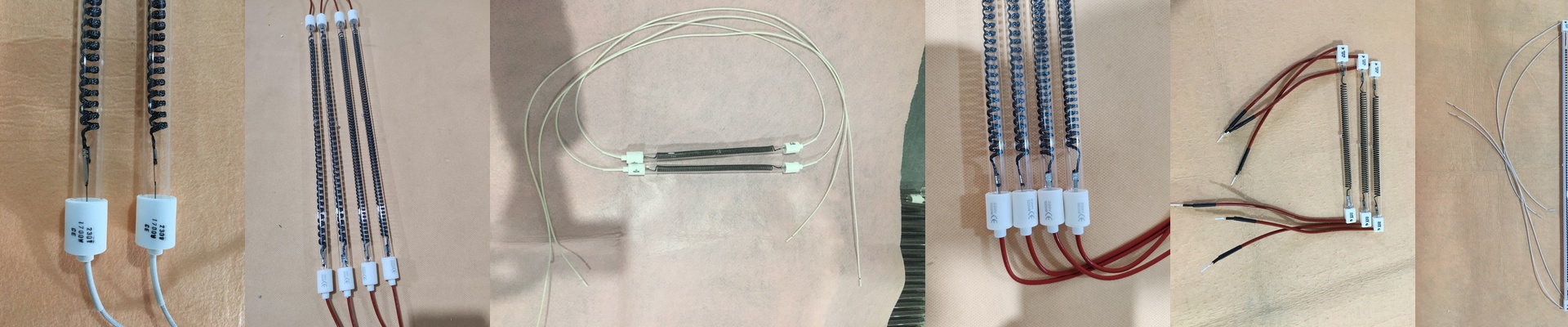
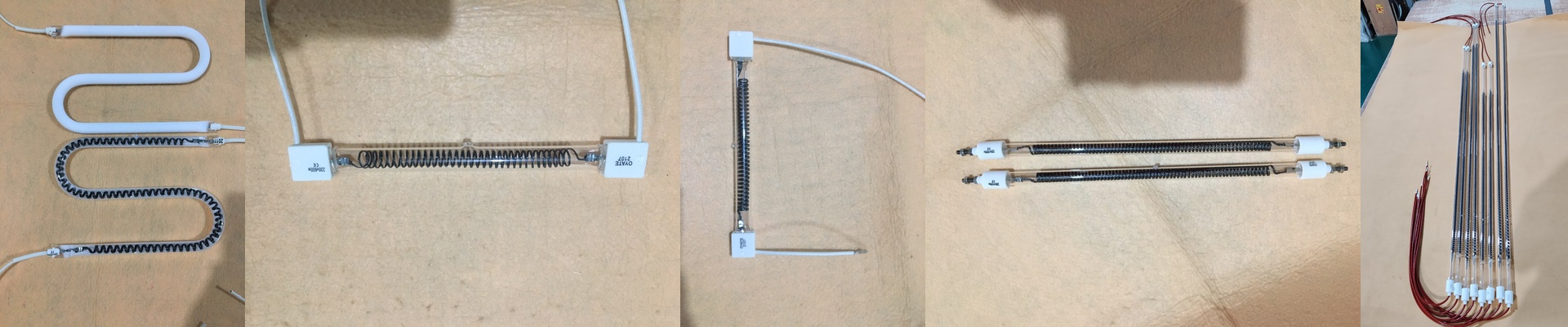
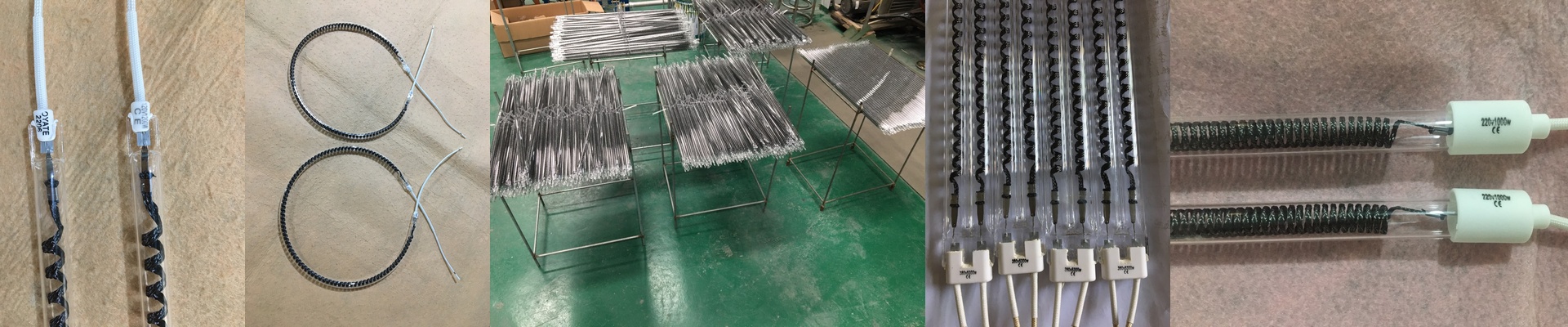
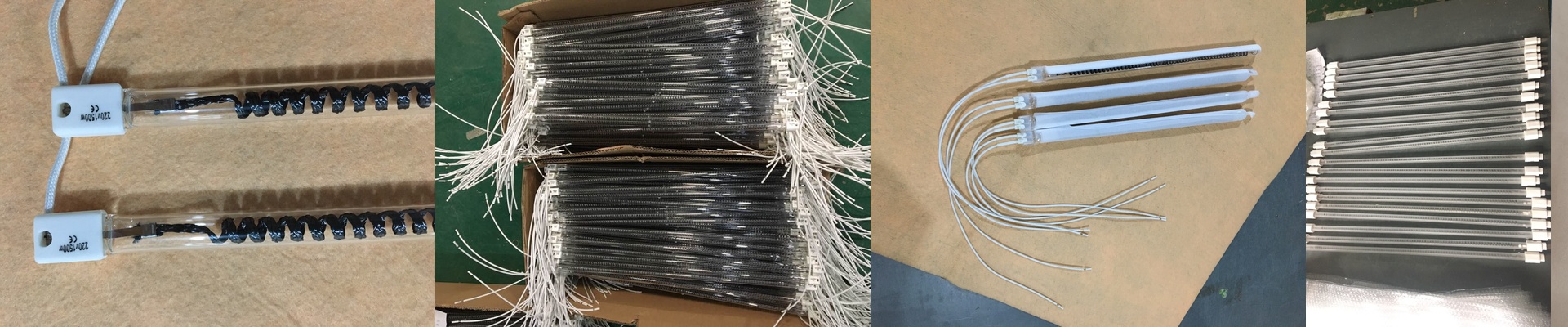
Smart meters have a tough life. They sit outside in the rain, snow, and freezing wind. When condensation hits or the temperature drops too low, the electronics just… stop. To keep things running, we use PCB heating lamps to keep the board warm. But for a long time, these heaters were “dumb.” They just pumped out heat until they eventually burned out. By the time you realized there was a problem, you had a dead meter in the field and a technician who had to drive out in the cold to fix it.
A Smarter Way to Heat
We’re changing that. Instead of just dumping current into a filament and hoping for the best, we’re putting sensors right into the heating circuit. Here’s how it works: the system keeps an eye on the lamp’s resistance. If that resistance starts to drift, the system knows the element is wearing out. You get a telemetry alert on your screen while the meter is still working. It’s the difference between a scheduled fix and an emergency failure.
The Balancing Act
Space is tight on these boards. You can’t just throw a massive heater on there. We focus the heat exactly where it’s needed—on the oscillators and capacitors that tend to freak out when it gets cold. If you go overboard with the wattage, you’ll actually do more harm than good. You risk cooking your solder joints or wearing out your electrolytic capacitors way too fast. It’s all about finding that sweet spot.
The Trade-offs (And One Big Tip)
Now, adding these diagnostics isn’t free. It adds a bit of complexity to your firmware and bumps up the BOM cost a tiny bit because of the extra circuitry. But honestly? It’s worth it to stop the guesswork. One thing to watch out for: placement. If you put your heating element too close to your temperature sensor, you’ll create a feedback loop. The sensor feels the lamp’s heat, thinks the environment is warm, and shuts the heater off prematurely. We’ve found that a physical gap of at least 15mm is the way to go. That way, the sensor reads the actual temperature of the board, and the heater only kicks in when it’s actually cold outside.