The Lowdown on Short Wave Carbon Fiber Heating Lamps
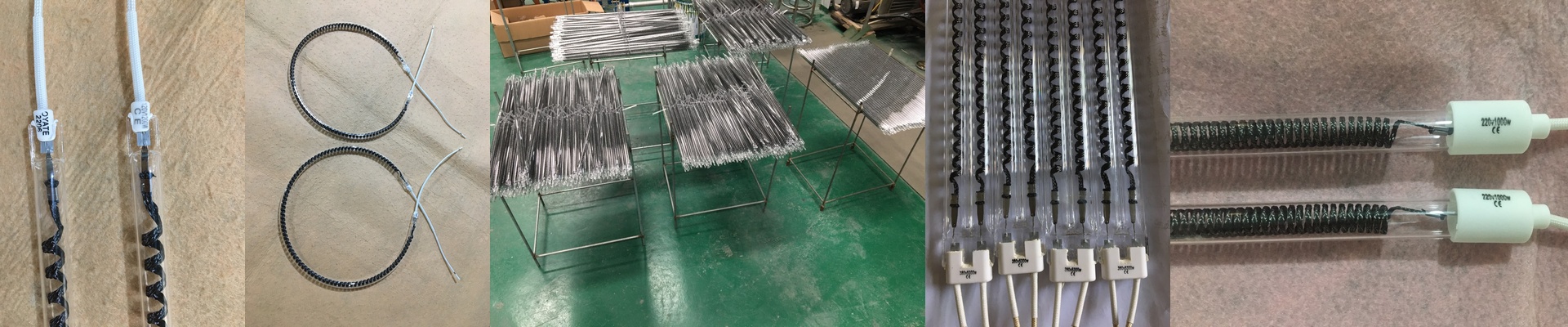
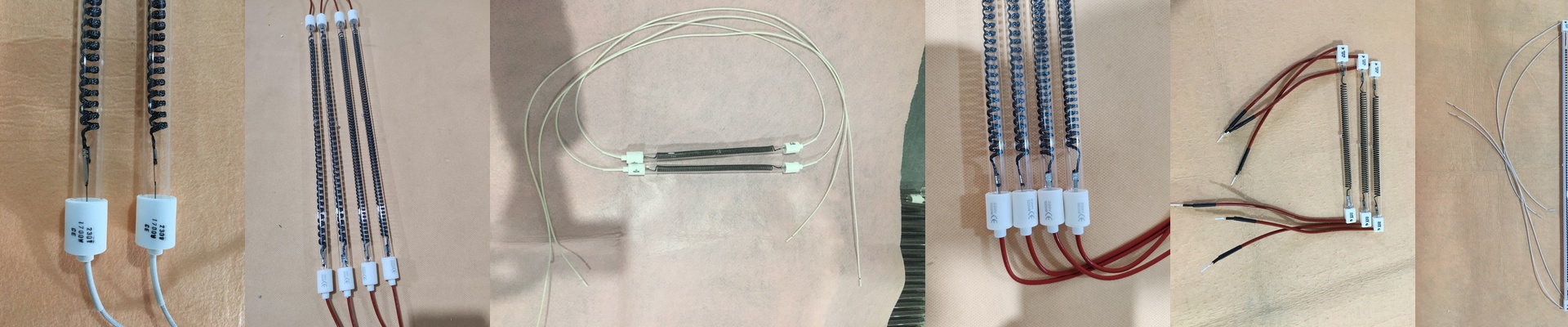
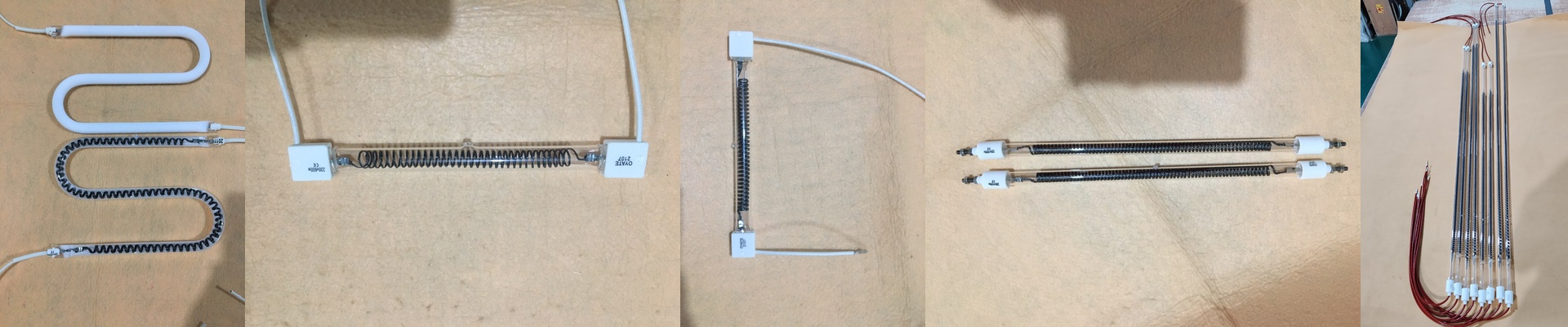
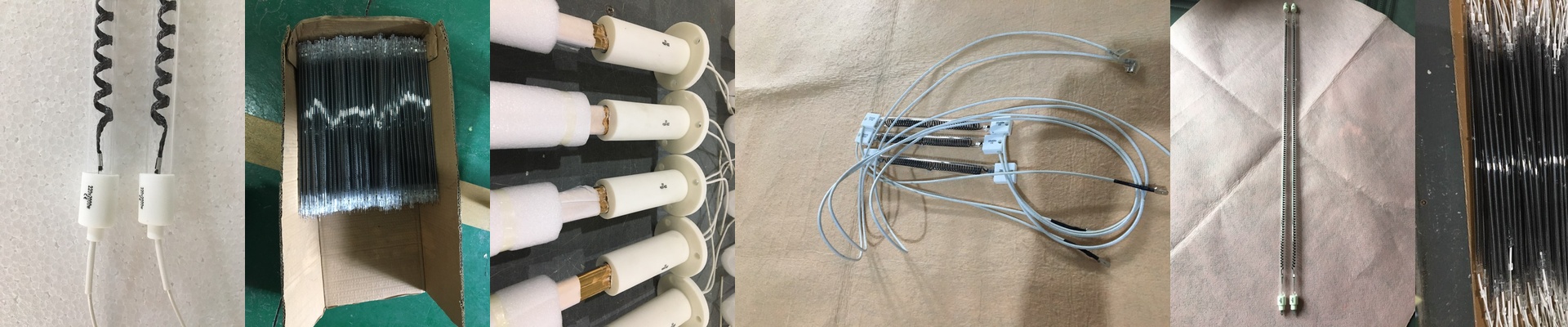
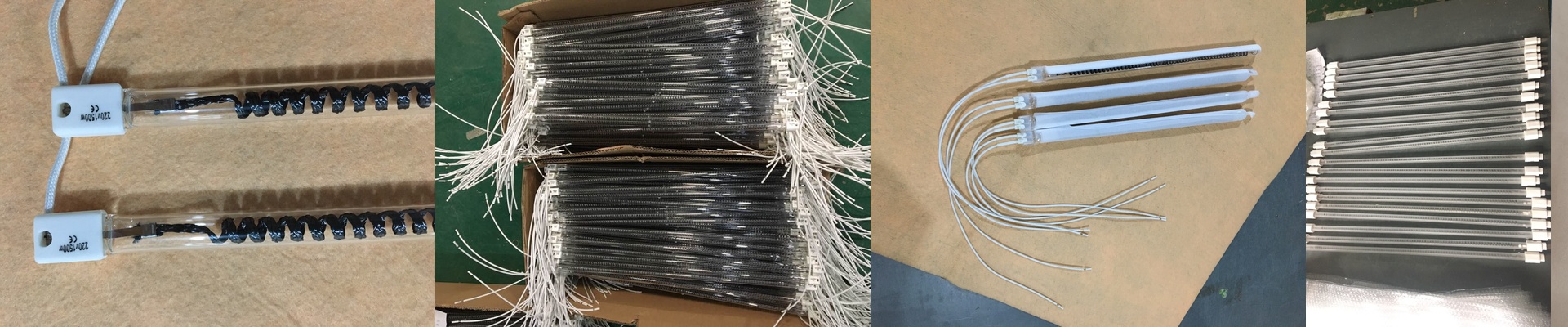
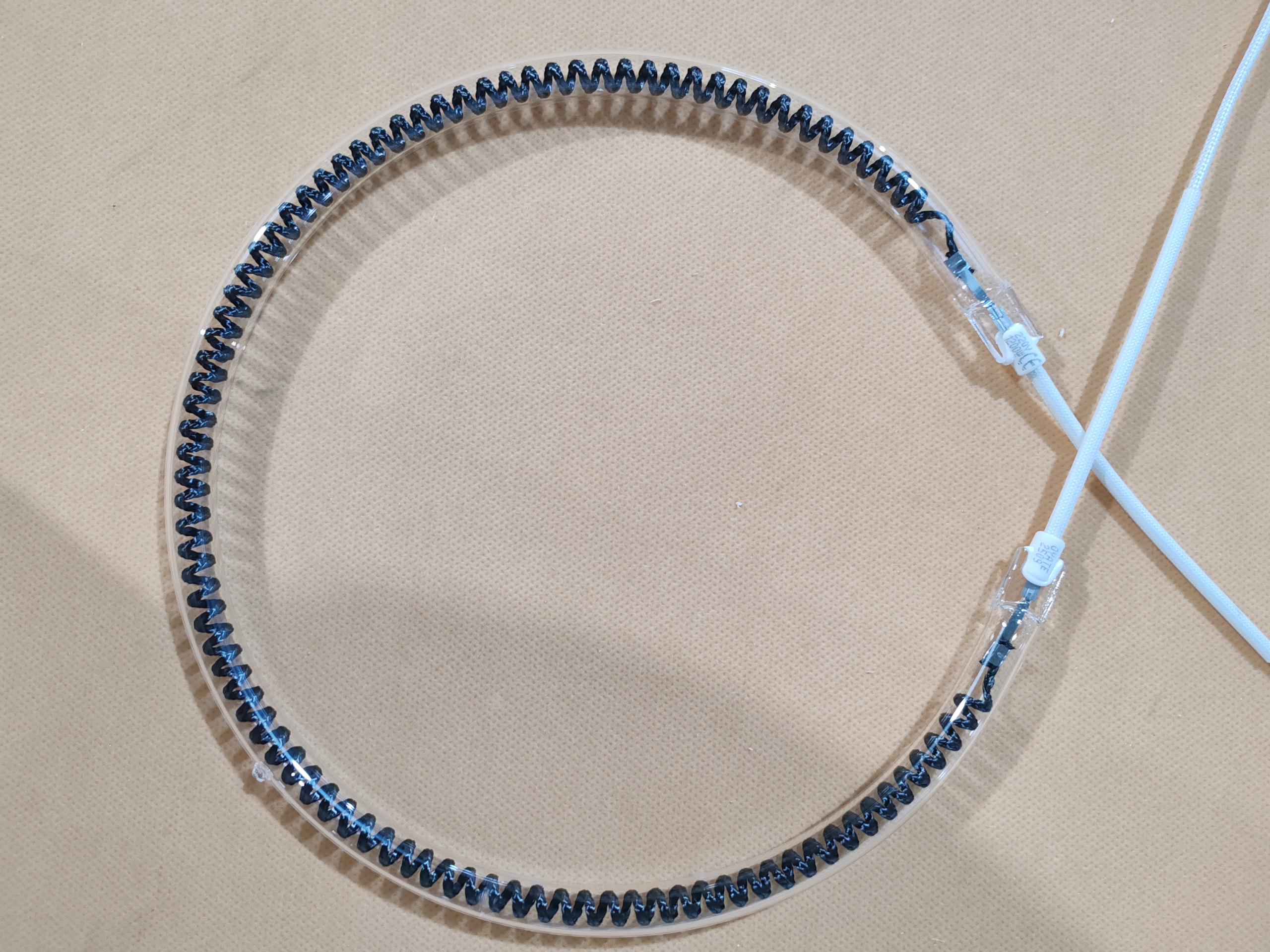
We’ve moved away from those old-school metallic elements. Instead, we’re using short wave carbon fiber. Why? Because it’s fast. Like, really fast. The way it works is pretty simple: we run a current through a carbon fiber filament, and it kicks out a specific kind of infrared heat. This isn’t just surface heat—it actually sinks deep into your materials almost instantly. Getting the power right When you’re picking out a lamp, you’ve got to look closely at the voltage and wattage. That’s what controls your heat flux. If you go with a high-wattage tube, you get a crazy fast ramp-up time. But here’s the thing: you have to match your power supply to the lamp’s rated voltage exactly. If you push too much voltage through the system, you’ll fry the fiber and kill the lamp’s lifespan. It’s a delicate balance. What’s under the hood? We wrap the carbon filament in a high-purity quartz tube. This does two things: it keeps the oxygen from eating the filament (oxidation) and lets the heat fly out of the tube without getting trapped. As for the plugs, we usually go with R7s or Sk15 connectors. They’re the standard stuff, so they just slide right into most industrial setups. No fuss. Plus, if you’re working in a messy shop, we can add special coatings to the quartz so chemical splashes don’t ruin everything. Real-world use (and a few warnings) If you’re doing PET blowing or curing plastics, these lamps are your best friend. They get polymers soft in a matter of seconds. But you’ve got to be careful. This kind of heat is intense. Your housing and reflectors need to be rated for the extreme temperatures, or they’ll buckle. And a pro tip: check your fans. If your airflow gets blocked, the heat soak can actually warp your mounting brackets. Also, please, use high-temp leads for your wiring. Nobody wants to deal with melted insulation on a Tuesday morning.