Getting Your PCB Heat Just Right
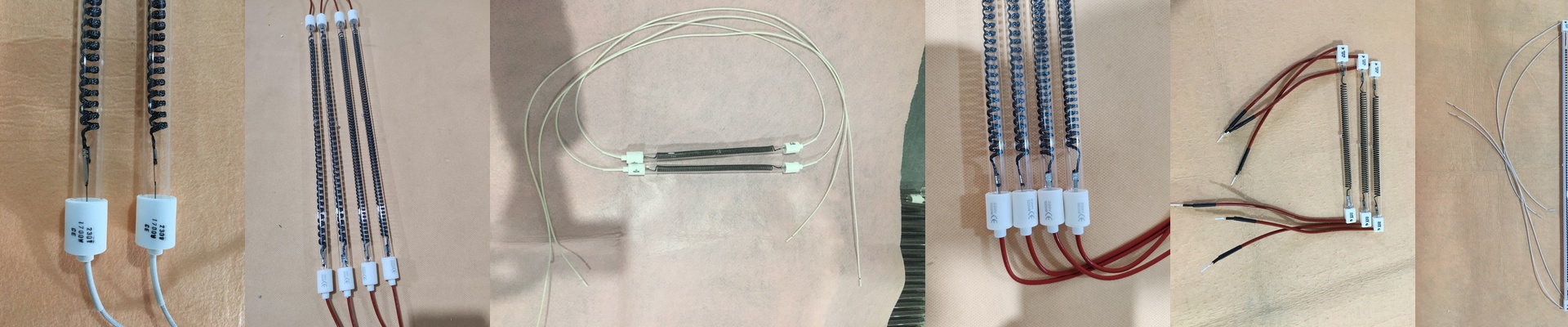
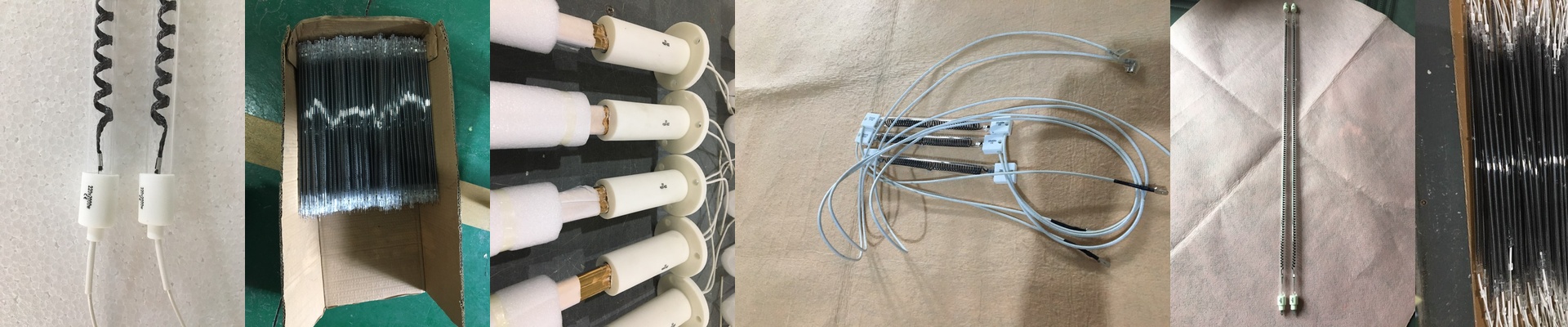
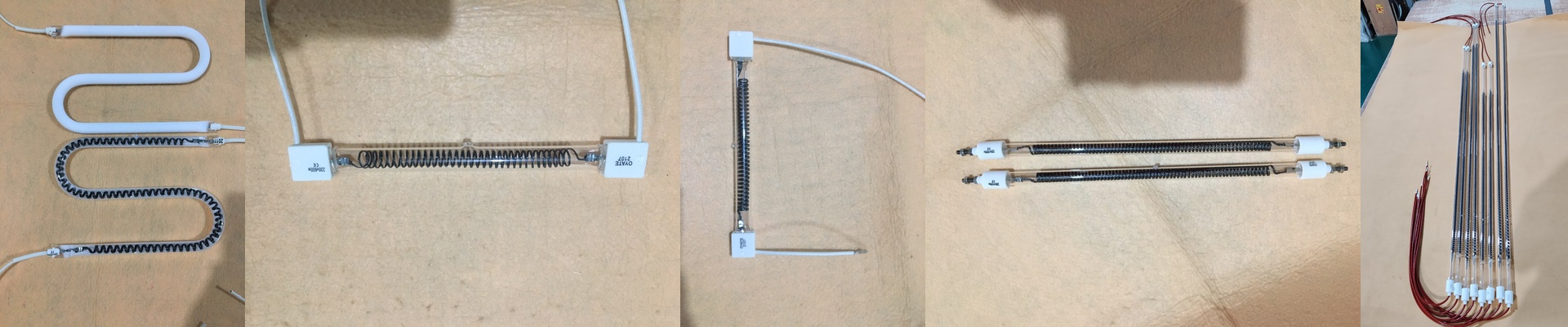
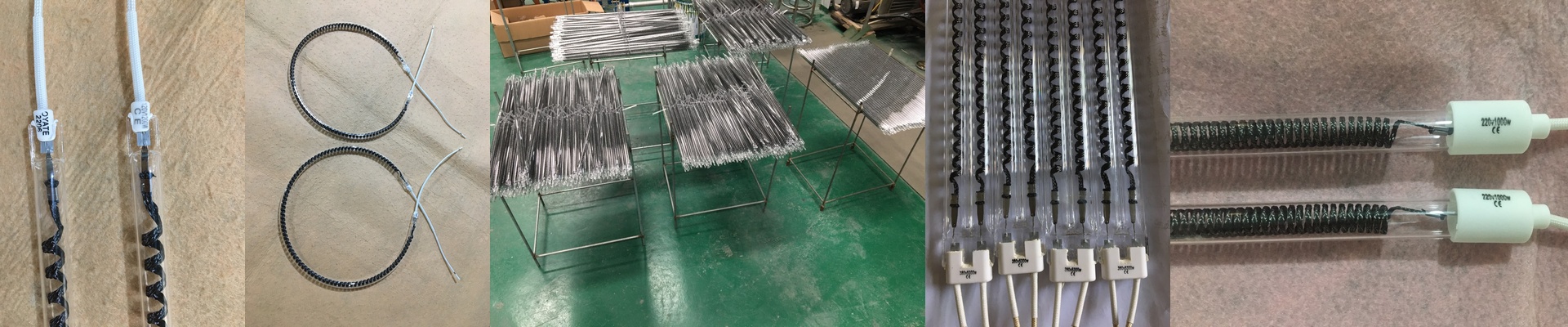
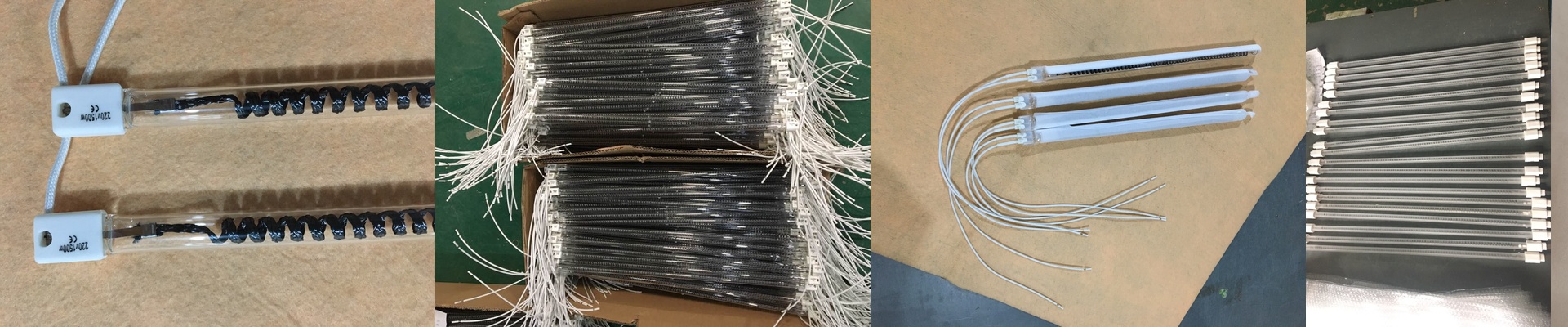
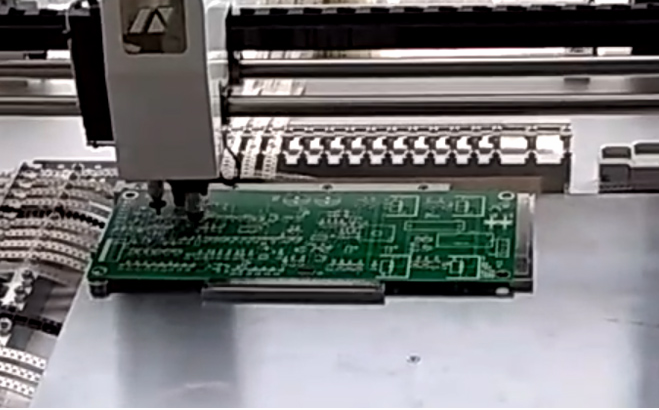
When you’re dealing with PCB assembly, getting the temperature right is everything. We use infrared quartz lamps to bake off solvents and set adhesives, but the trick is doing it without frying the sensitive parts. If your heat is patchy, you’re looking at warped boards or cold joints. Neither is a good look. The Power Behind the Heat It all starts with the quartz heating element. We go with high-wattage specs because nobody likes waiting around for a machine to warm up. These high-density emitters hit your target temp in seconds, which keeps your line moving. But here’s the thing: you have to balance the wattage with your conveyor speed. If you crank the power but the line is crawling, you’ll burn right through the substrate. Built for the Real World We use high-purity quartz glass so the IR light actually gets through. We also keep the connectors standard. Why? Because when a lamp eventually burns out, you don’t want a project—you just want to pop in a new one and get back to work. We also obsess over the spectral output of the filament. It’s not about just heating the top layer; we want that heat to soak deep into the PCB layers. A Few Pro Tips for Setup Your power supply needs to be rock solid. If your voltage jumps around, your temperature swings, and suddenly a whole batch of boards is trash. We usually suggest PID controllers to keep things steady. One more thing—these stations put out a massive amount of heat in a tiny space. Make sure your exhaust hoods are actually doing their job. If the air around the station gets too stifling, your controller fans will give up, and your boards will fail way sooner than they should. We’ve built our lamps to go toe-to-toe with the biggest global brands, focusing on the stuff that actually matters: raw performance and gear that lasts.