Getting Heat Right in Quantum Chip Fabrication
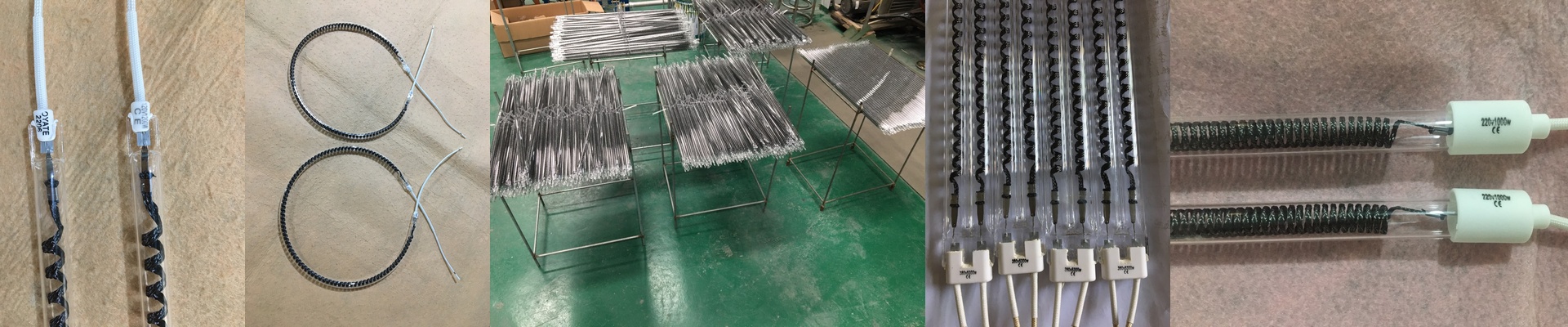
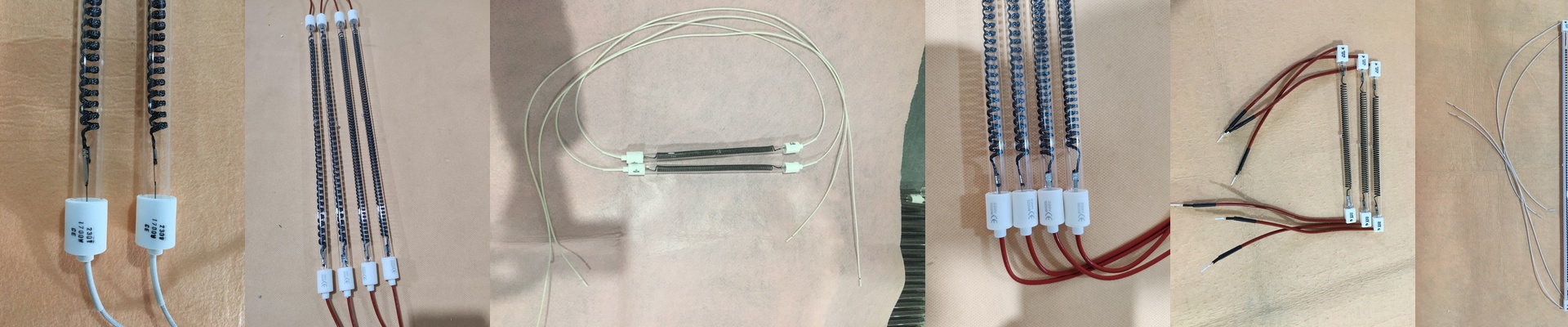
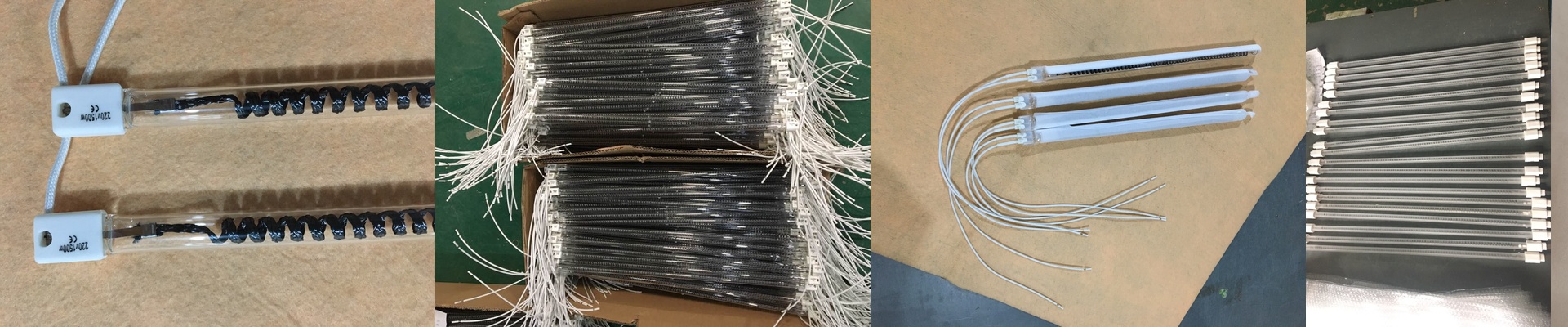
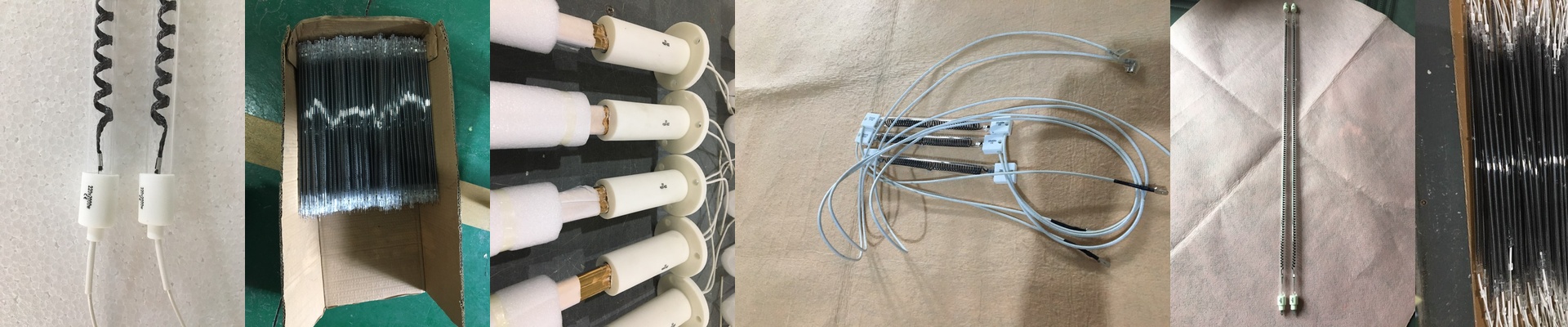
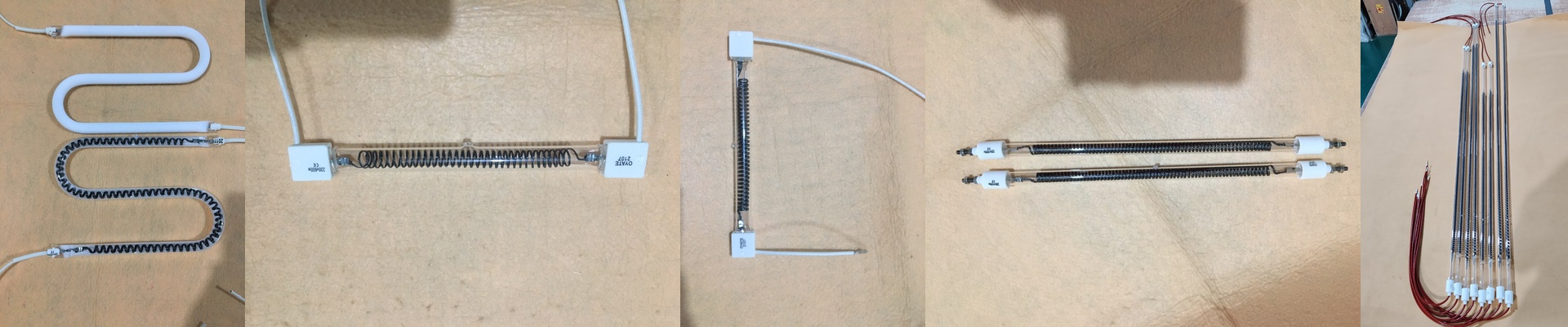
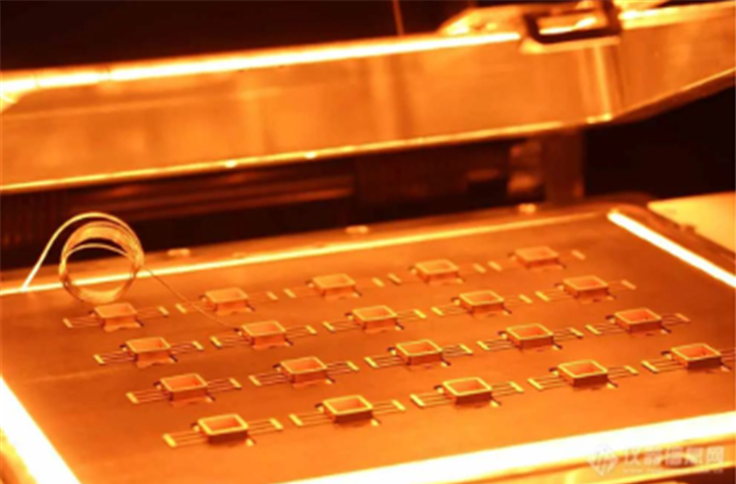
When you move from making standard electronics to quantum chips, you quickly realize that heat is a different beast. You can’t just “warm up” a board. That’s why we use digital PCB heating stations with shortwave infrared (IR) lamps. Think of it as a surgical strike of heat. Instead of just baking the whole thing, these lamps hit exactly where they need to, so the substrate doesn’t warp or buckle while you’re working. The Power Side of Things We build these stations to handle some serious wattage. When you fire up a high-voltage IR tube, the heat is immediate. In a cleanroom, speed is everything. You need to hit your target temperature now—not in ten minutes—otherwise, you’re risking oxidation or contamination. But here’s the catch: you need total stability. If your power fluctuates by even 5%, you’ll end up with hot spots on your quantum wafer. And in this business, a hot spot is a disaster. Why Quartz? We stick with halogen-filled quartz tubes. Quartz is great because it lets that shortwave IR radiation slide right through without the lamp absorbing it. Some of our setups even have special coatings to shift the emission spectrum. This is key. It ensures the heat actually sinks into the PCB layers instead of just scorching the top surface. We use R7s or Sk15 connectors because they just work. Plus, when a lamp eventually burns out, you can swap it in seconds without having to rip the whole machine apart. The Reality of the Shop Floor Now, let’s be honest: high-density IR heating comes with a price. Your cycle times drop, which is great, but these stations put out a massive amount of heat into the room. If your ventilation can’t keep up with the total wattage, your temperature setpoints will start to drift. It’s frustrating. To stop that from happening, we suggest using closed-loop PID controllers. It keeps the thermal profile tight and steady, so your quantum chip doesn’t take a beating during the curing process.