Why Your IR Lamps Keep Snapping (And How We Fixed It)
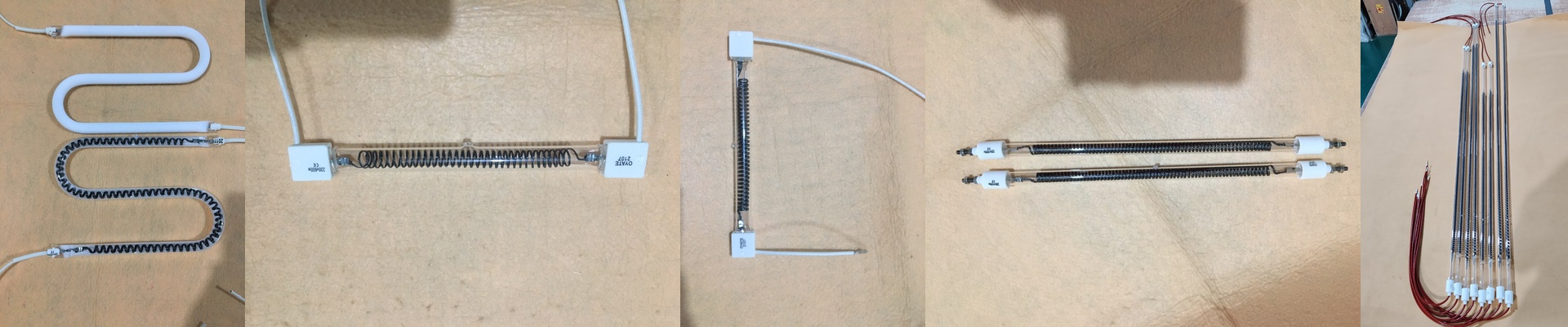
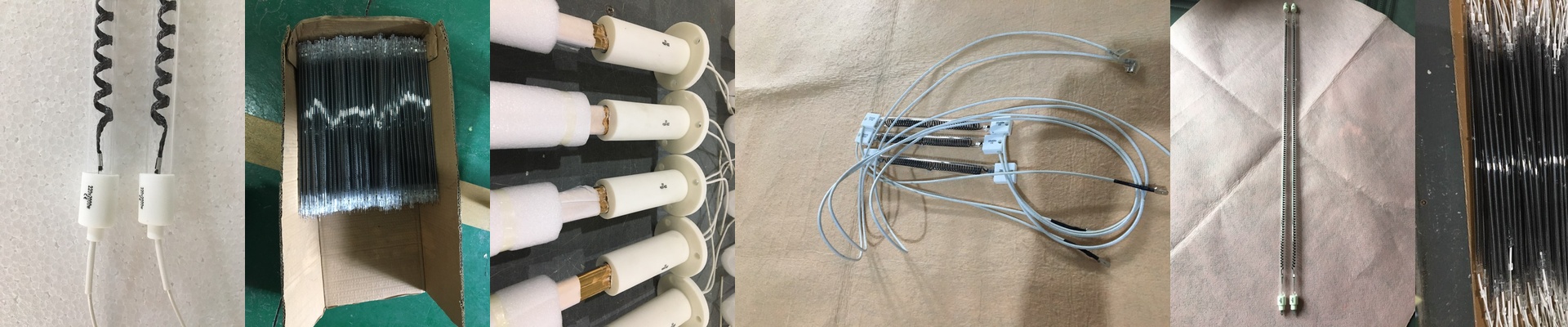
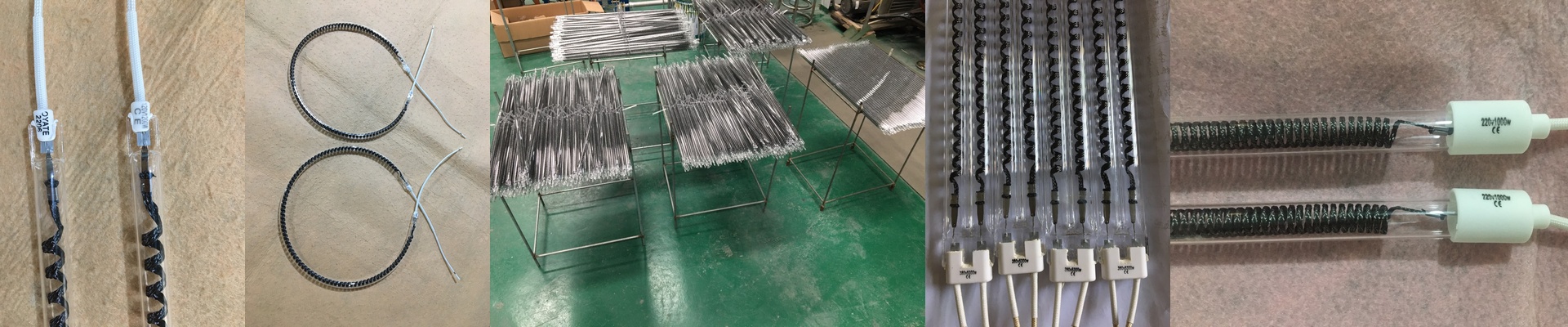
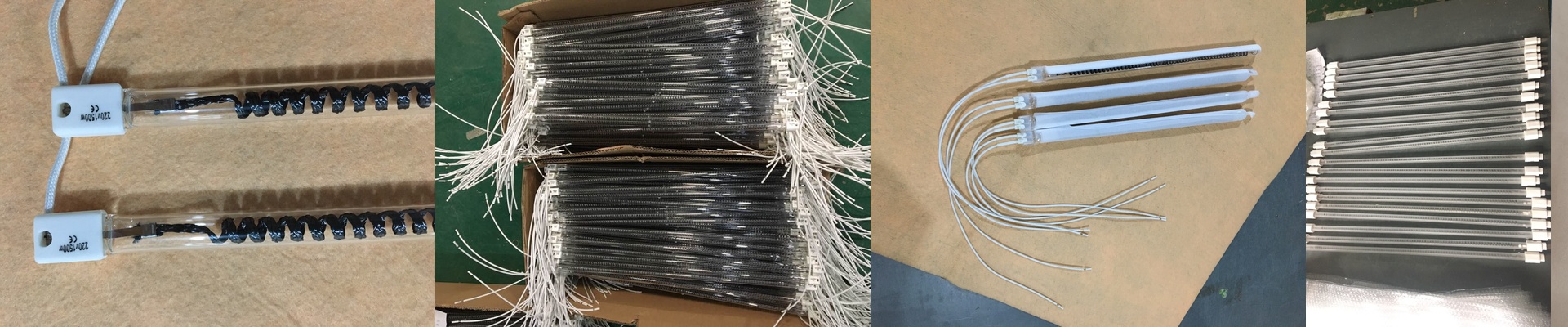
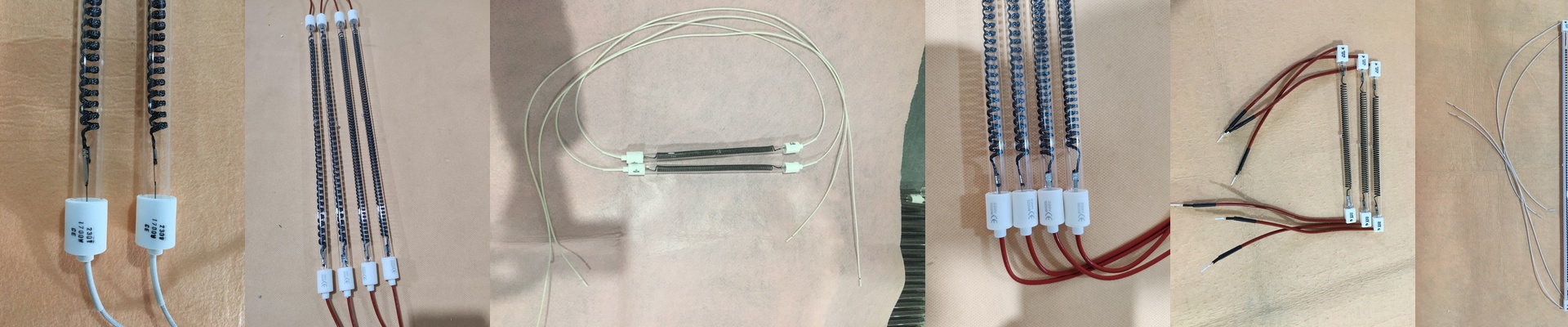
If you’ve ever tried to repair a smartwatch, you know the drill. You need just enough heat to soften the glue, but if you go overboard, you’re looking at a fried OLED screen or a swollen battery. It’s a delicate balance. We use shortwave infrared lamps to get the job done, but the heat itself isn’t the real enemy. It’s the cycling. Think about it: “flash-heating” means the lamp is constantly expanding and contracting. It’s like bending a paperclip back and forth. Eventually, if the filament bracket isn’t built for that kind of stress, it’s going to warp—or just snap. Stopping the Warp We spent a lot of time obsessing over the fatigue limit of the support structure. See, the quartz envelope and the tungsten filament don’t expand at the same speed. If they’re fighting each other, the bracket bends. To fix this, we switched to a high-purity quartz with a very specific thermal expansion rate. It keeps everything stable, even after ten thousand cycles. We didn’t just trust the math, though. We tortured these lamps in the lab. We cranked the voltage, hammered them with rapid on-off bursts, and watched for any “drift.” Even a tiny sag—we’re talking a fraction of a millimeter—messes up the heat distribution. That’s how you end up with hot spots on a watch chassis, and nobody wants that. The Trade-off To get those lightning-fast ramp-up times that make a repair station actually efficient, we had to increase the wattage density. But more power means more stress on the connectors. To stop arcing during those quick bursts, we beefed up the contact points. One quick tip: while the brackets can handle the stress, you’ve got to let the lamp breathe. If you cram the lamp into a tight housing to save a bit of desk space, you’re trapping ambient heat. That’ll eat through the bracket’s lifespan way faster than our lab tests show. Give it some air. What This Actually Means for You At the end of the day, this just means your lamp stays straight and the heat hits exactly where it should: the adhesive seam. You get a replacement that actually stays put. No more swapping out lamps every few months because the filament decided to shift. Just drop it in and get back to work.