Getting the Heat Right for Smart Grid Repairs
Repairing smart grid electronics is a bit of a tightrope walk. You’re hunting for a very specific thermal window. If you go too hot? You fry the PCB traces. Too cold? The solder won’t budge, and that component is staying exactly where it is. That’s why we don’t just “heat things up.” We’ve tuned our IR spectrum to punch right through solder masks without cooking everything else on the board.
Power and Precision
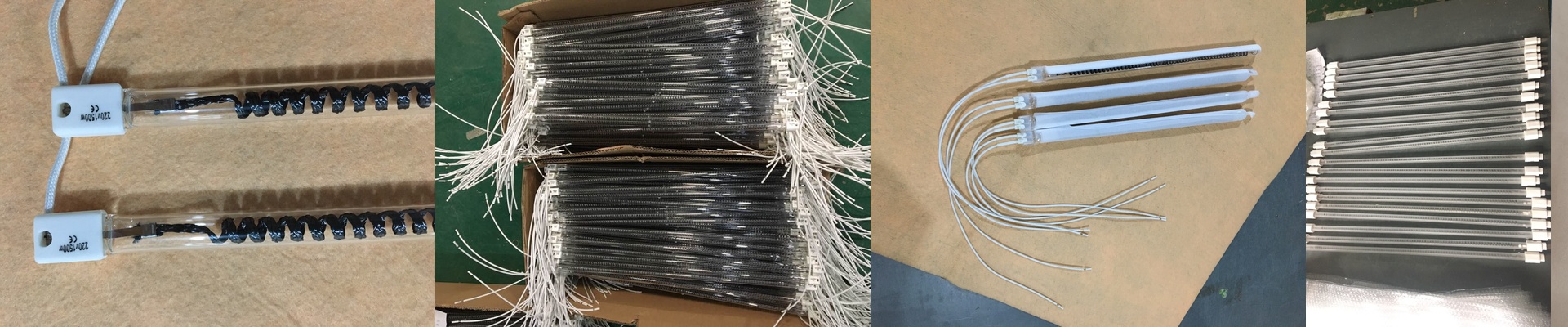
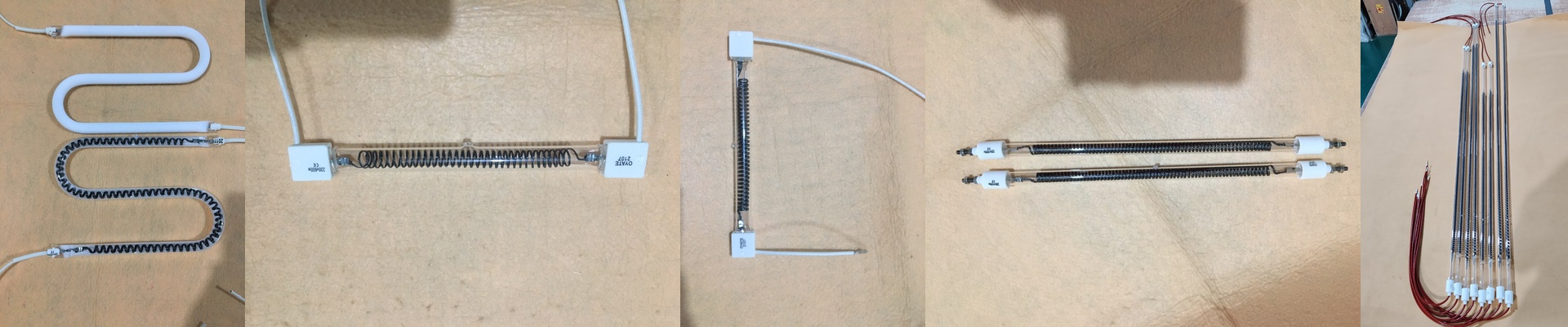
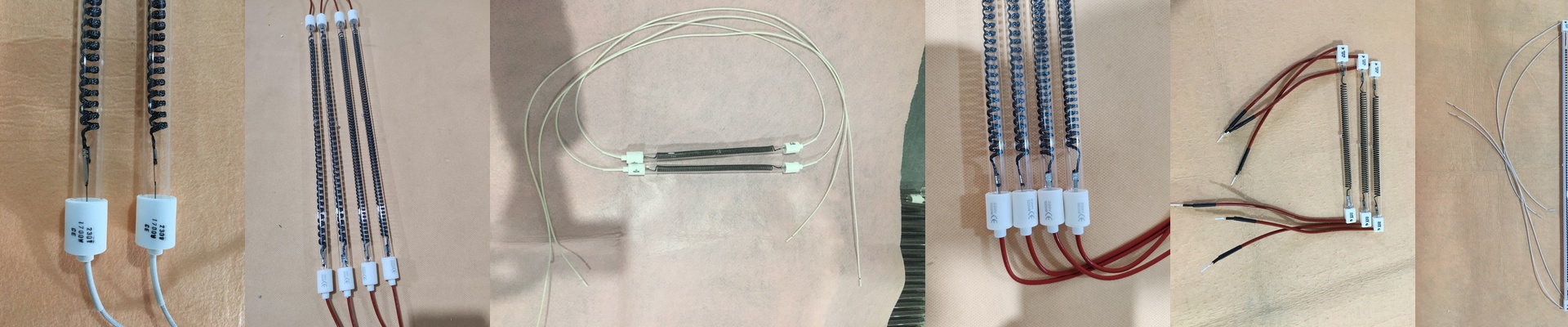
We aren’t using some generic heat lamps here. We spent a lot of time obsessing over how different wavelengths actually hit different materials. By tweaking the voltage and wattage, we can control exactly how the heat spreads across the tube. If you’re running a high-volume line, you need things to move fast. Our high-wattage setups ramp up quickly. You get the heat exactly where you need it, right when you need it.
The Gear Under the Hood
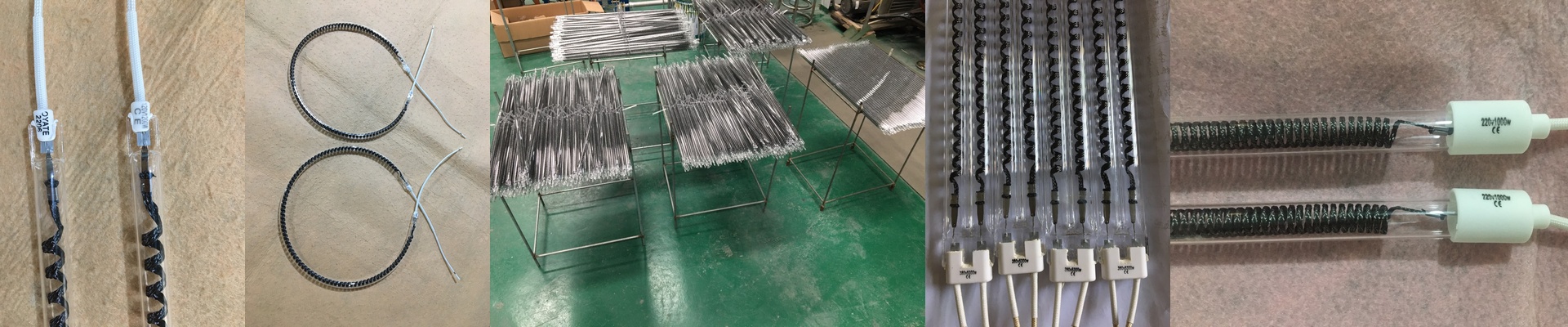
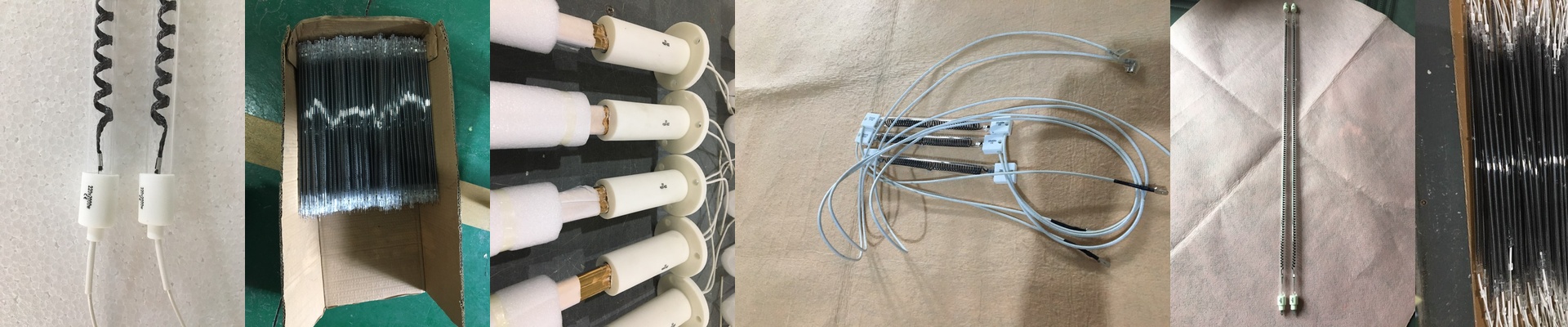
To keep things from cracking during those rapid temperature swings, we use high-purity quartz. But the real secret is in the coatings. We apply specific layers to the glass to filter out the “noise”—the wavelengths that don’t do anything—and focus all that energy directly onto the solder joints. As for the connectors, we kept it simple. We used industry-standard interfaces so these are basically drop-in replacements. You can just wire them into your existing rig without hunting for weird custom adapters.
Making it Work in the Shop
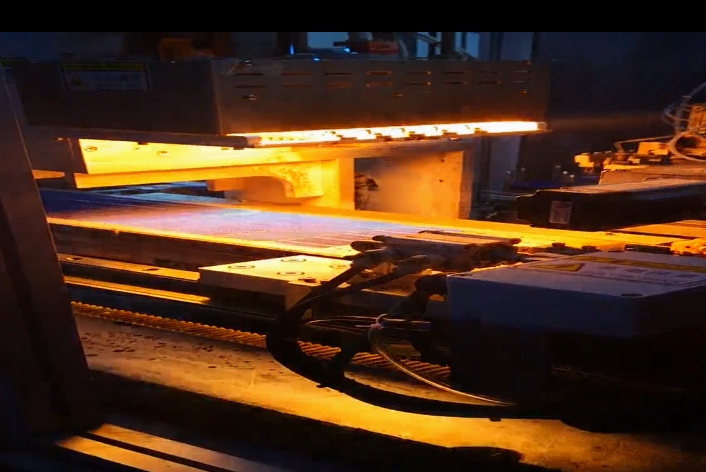
This setup is a lifesaver for those stubborn “cold joints” you find in heavy-duty smart grid modules. Because the spectrum is so focused, the heat actually reaches the internal pads of multi-layer boards instead of just sitting on the surface. One heads-up, though: these high-density heaters put out a lot of ambient heat. If you’re squeezing these into a tight workstation,**don’t skimp on your exhaust fans.**If the air isn’t moving, the housing will heat-soak. Once that happens, your temperature sensors start to drift, and your thermal profile goes right out the window.