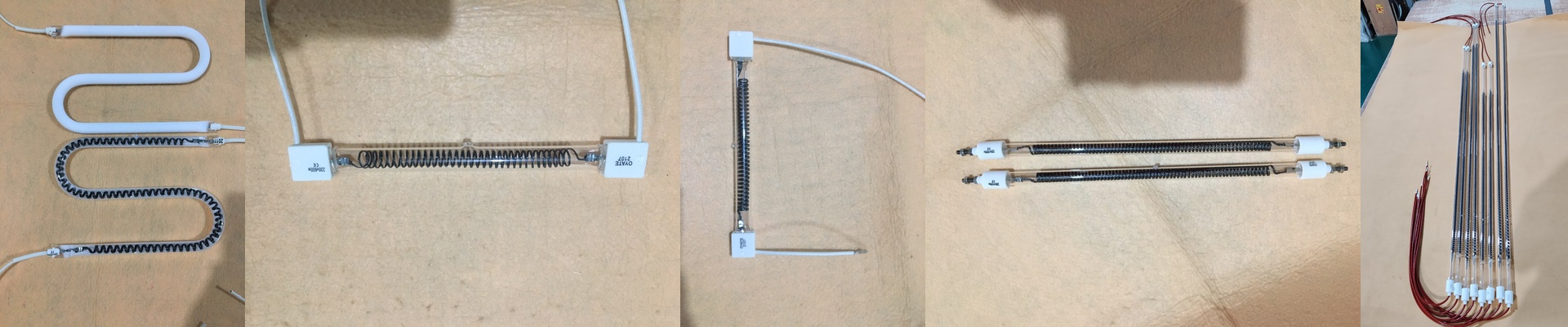
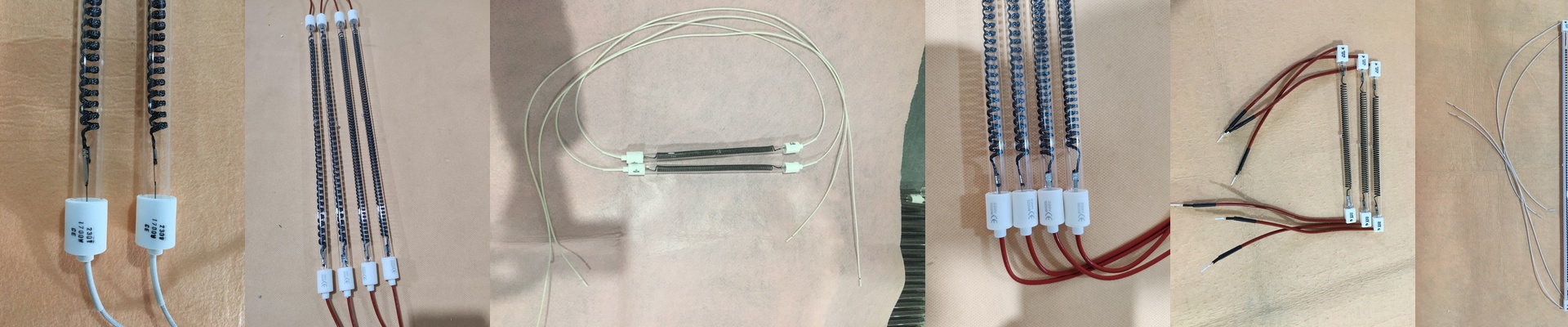
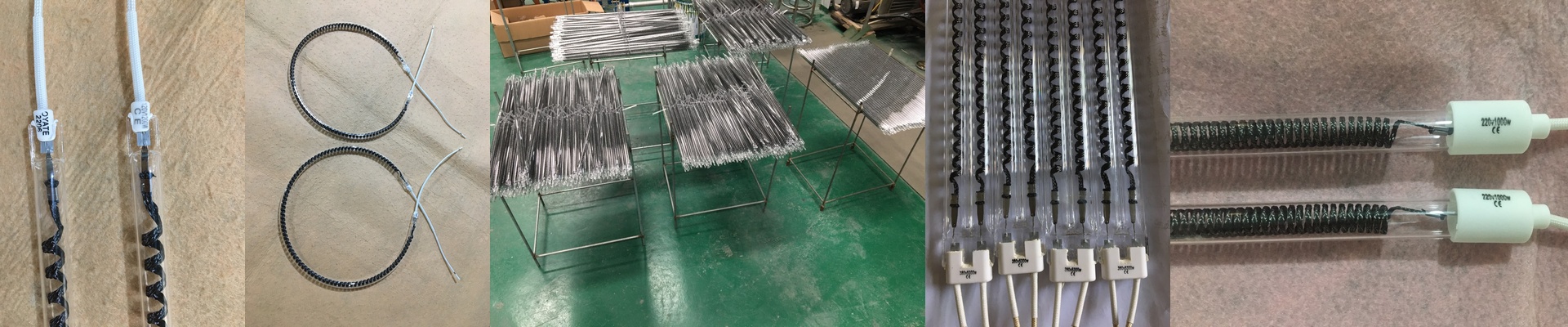
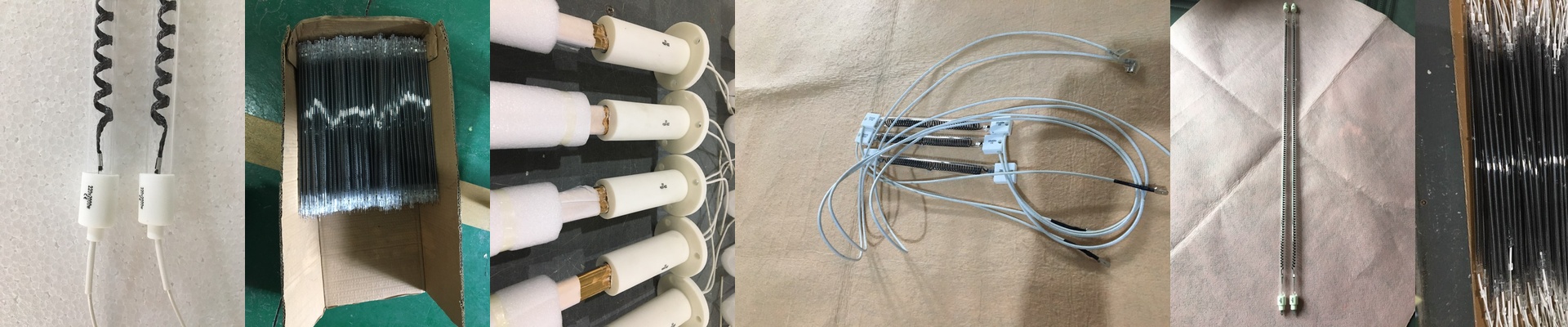
Shortwave or Medium-Wave? Picking the Right IR Lamp for Your SMT Line
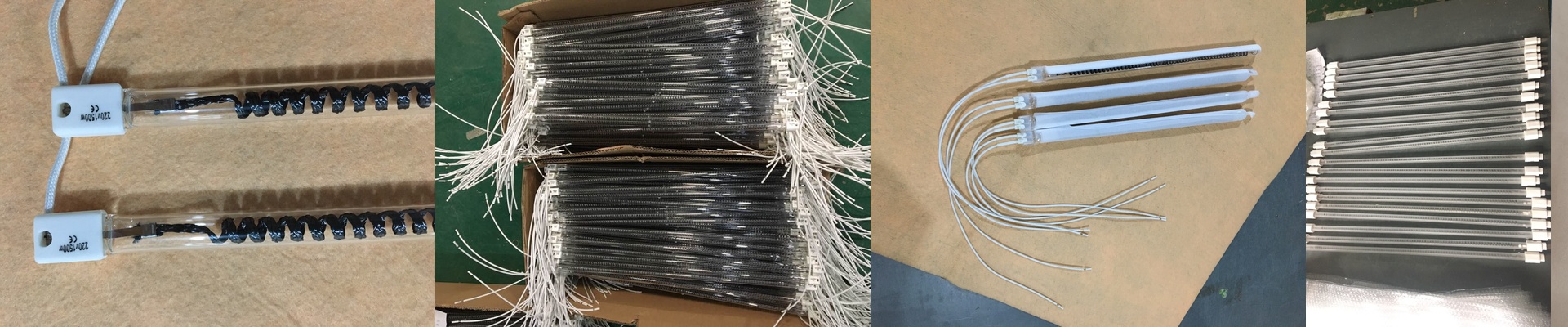
If you’re working with SMT soldering, you know the struggle of getting your ramp-up speed and heat penetration just right. It usually comes down to one choice: shortwave or medium-wave IR lamps. Both of these use quartz glass. Why? Because when things get scorching hot, regular glass just gives up and cracks. Quartz can take the hit.
Let’s talk wavelengths
Shortwave lamps run hot. Really hot. They push energy deep into the PCB and the components, which means your boards heat up fast. If you’re trying to push more boards through the reflow zone without slowing down, this is your best bet. Medium-wave is a different story. These run at lower temperatures and the heat mostly stays on the surface. It’s a gentler approach. I usually see these in setups where you’re terrified of scorching the board or frying a sensitive component. It gives you a bit more breathing room.
The reality of quartz and power
We use high-purity quartz for these tubes so the IR radiation can get out without getting trapped. But here’s the thing: if you put a shortwave lamp on a high-density board, you’re dumping a massive amount of heat into a tiny area. You have to keep a close eye on your power density. A high-wattage tube gives you that instant heat, but it’s a heavy lift for your power rails. If your wiring isn’t up to the task, you’re going to smell burning connectors pretty quickly.
The trade-offs
Shortwave is all about speed. It kills your cycle times. The downside? You can get “shadowing,” where some spots don’t get enough heat because the lamp isn’t positioned perfectly. Medium-wave is slower, sure, but it’s way more forgiving. And a word of warning: don’t try to just swap them. If you drop a medium-wave lamp into a slot meant for shortwave, you’ll end up with cold solder joints. It’s a nightmare to fix. You’ve got to match the wavelength to your board thickness and your specific solder paste profile. No shortcuts here.