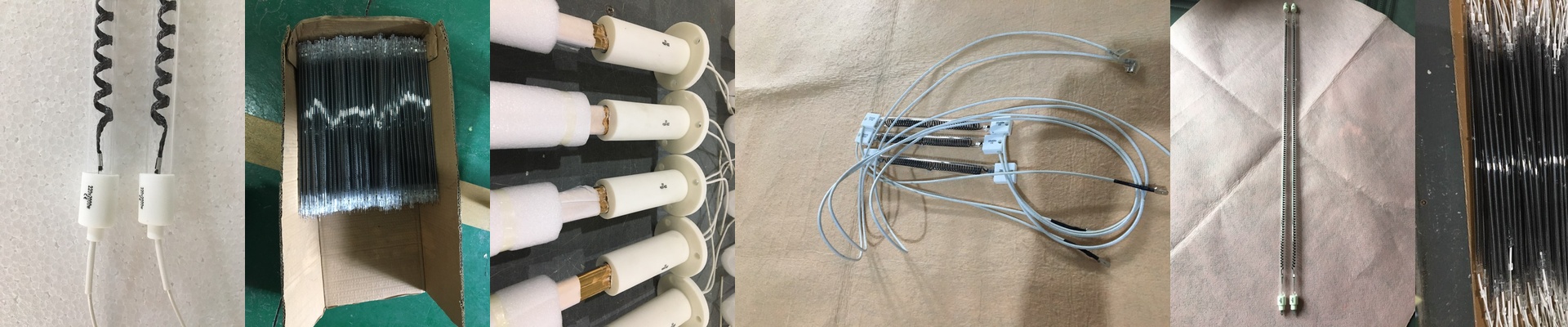
Let’s talk about Carbon Infrared Heaters
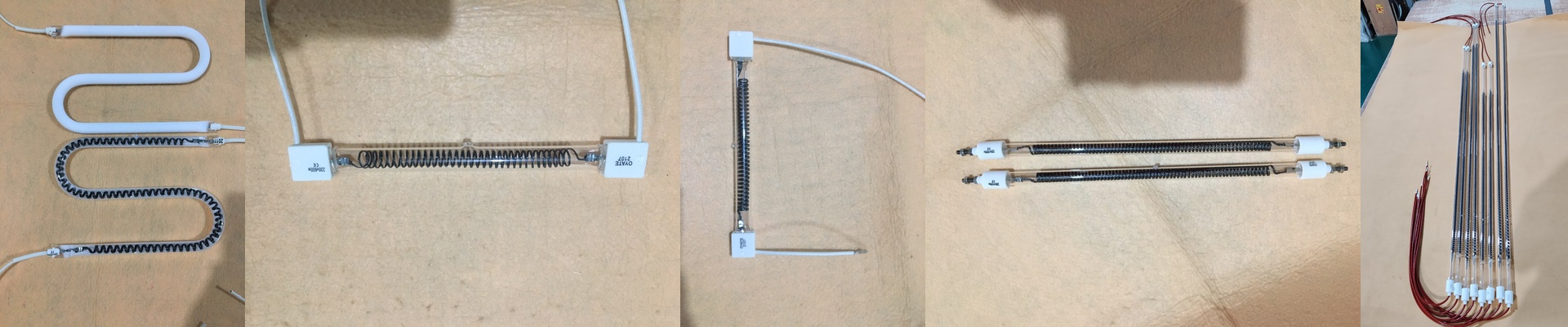
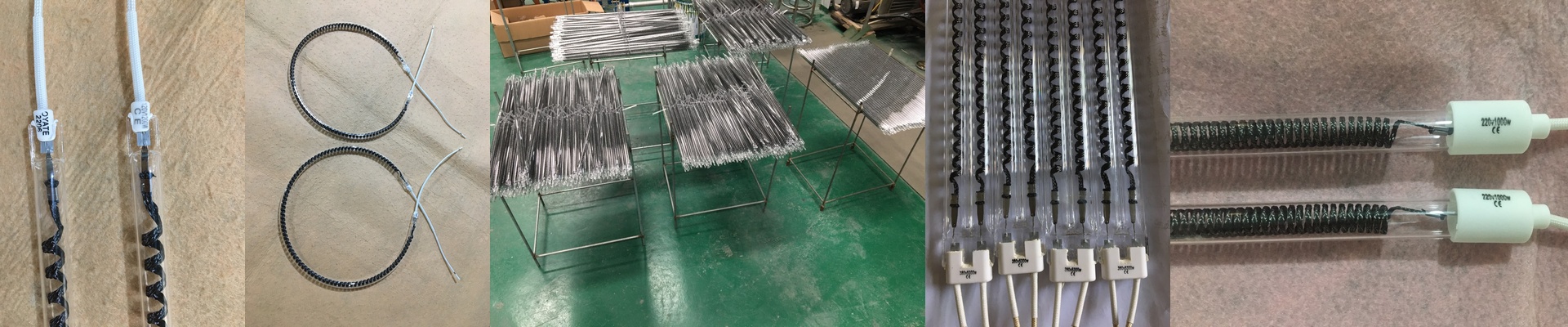
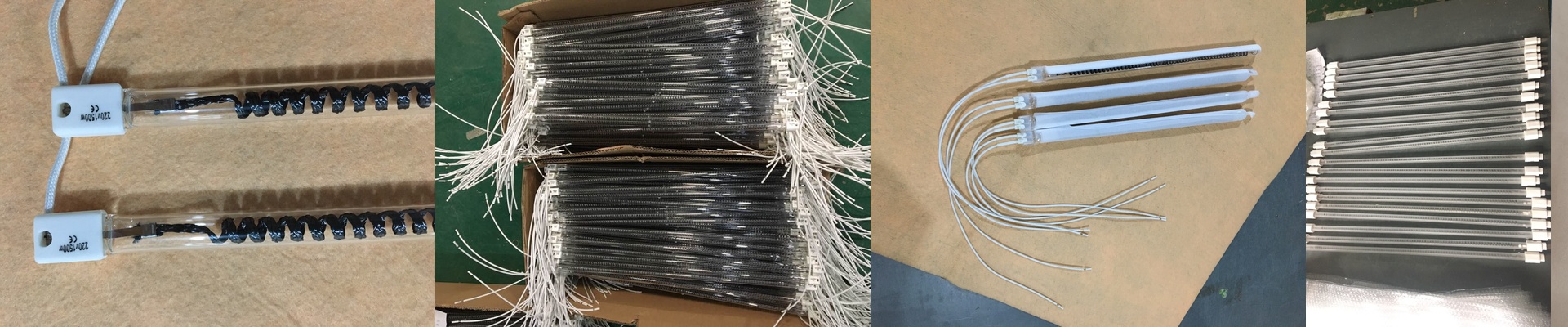
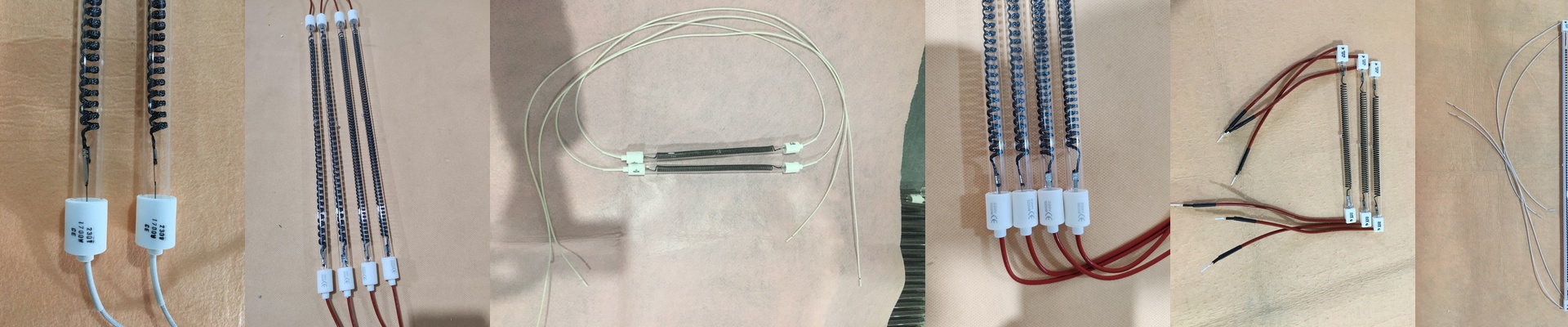
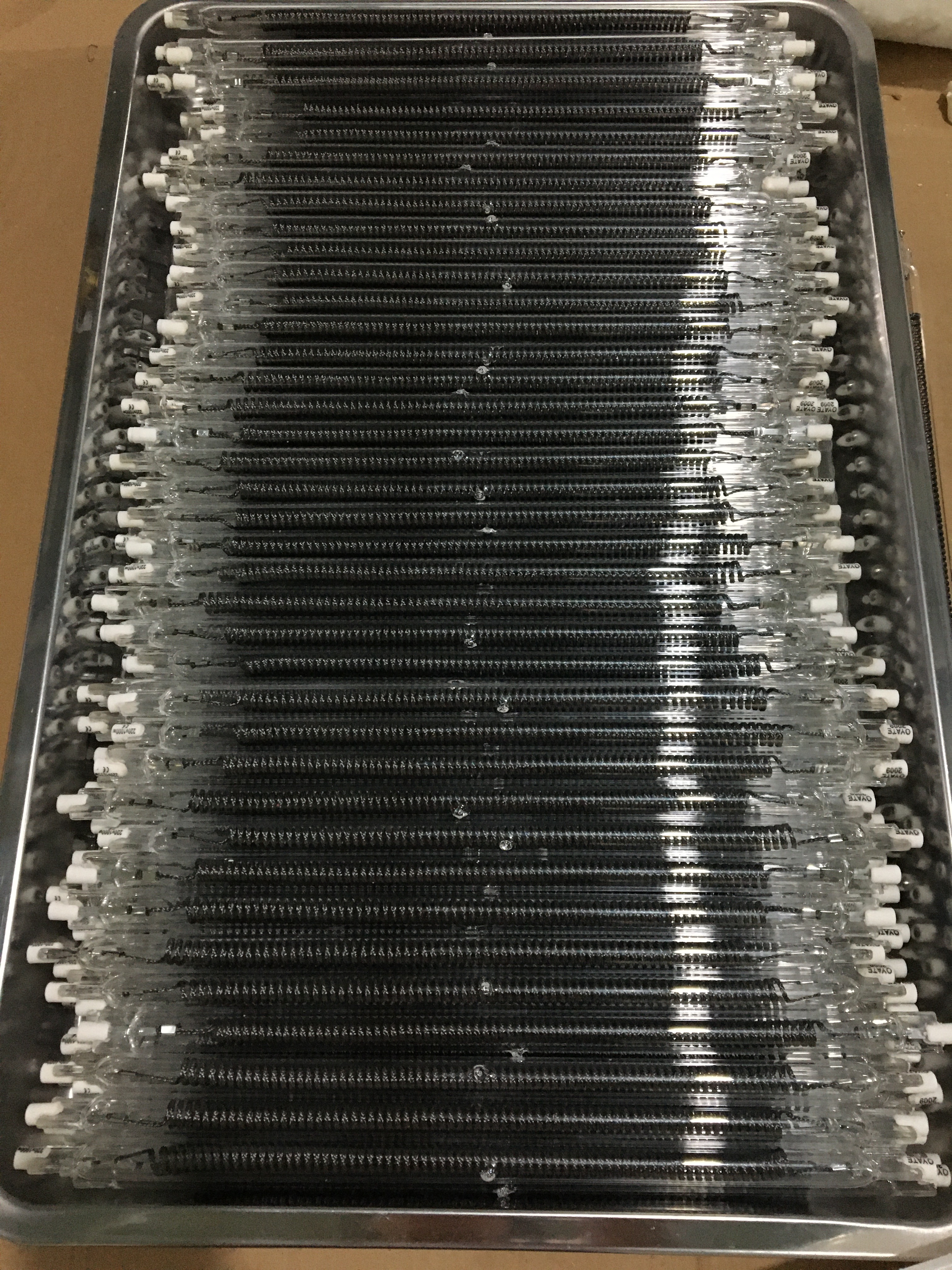
Most heaters use old-school metal coils, but we do things a bit differently. We use a carbon fiber filament tucked inside a quartz tube. Why? Because carbon is just faster. It hits the temperature you need almost instantly and puts out a wider range of heat. If you’re dealing with heavy thermal loads and can’t afford to sit around waiting for a machine to warm up, this is exactly what you want. Getting the power right Here’s the thing about wattage and voltage: it’s all about the “punch” per millimeter. If you go with a high-wattage tube, you’re packing more energy into a smaller space. That’s great because it keeps your heating oven compact. But you’ve got to be careful. Make sure your power supply matches the lamp—usually 230V or 400V. If you don’t, you’ll burn them out way too fast. And a pro tip: if you’re pushing these lamps to their limit,**don’t skimp on the cooling fans.**If you do, your connectors will literally melt. Not a good look. The build and the bits We wrap everything in hard-quartz glass to keep the carbon from oxidizing. Depending on what you’re heating—say, plastics versus metals—we can add a special coating to tweak the wavelength of the heat. For the wiring, we stick with R7s or Sk15 connectors. They’re the industry standard, so they’re easy to plug in and they stay put. Just make sure the contacts are clean. If they’re dirty, you’ll get arcing, and that’s a headache nobody needs. Putting them to work You’ll see these things all over the place, from PET blowing machines to paint curing lines. The best part is that they use radiant heat. You aren’t wasting energy heating up the air around the product; you’re hitting the target directly. It makes your production line move a lot faster since the warm-up cycle is basically non-existent. One warning, though. Carbon filaments are a bit more delicate than tungsten. If you drop one or bump it too hard during installation, it’ll snap.Handle them like they’re expensive glassware, or you’ll find yourself replacing them before the first shift even ends.