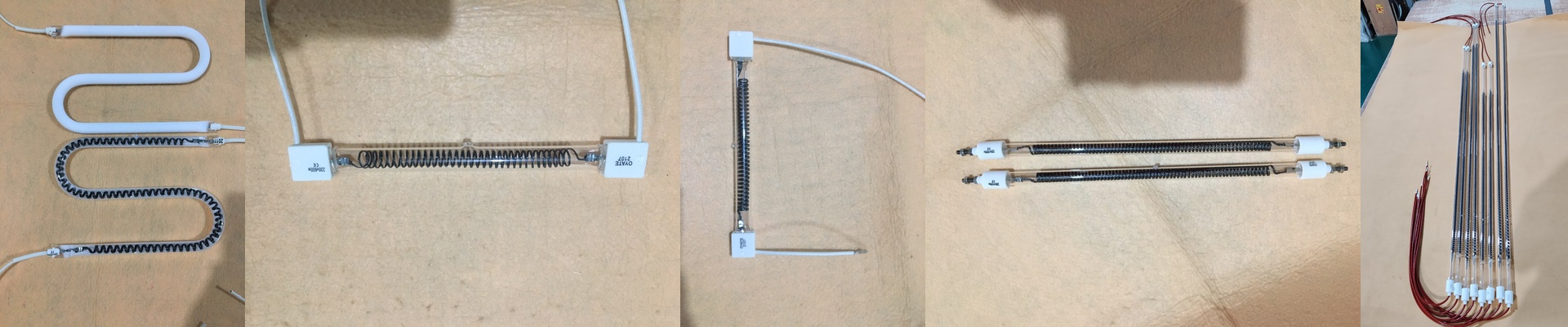
Let’s talk about M-Shape Carbon Fiber Heating Elements
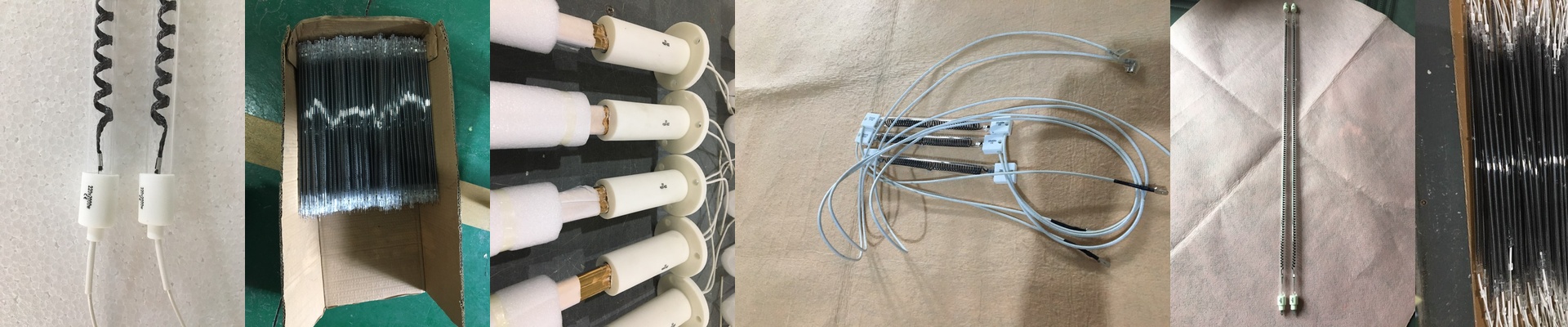
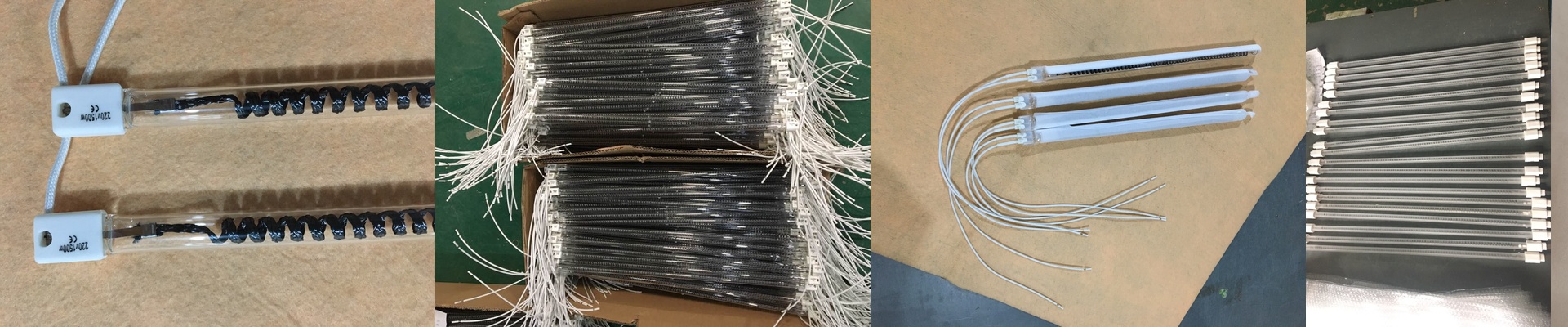
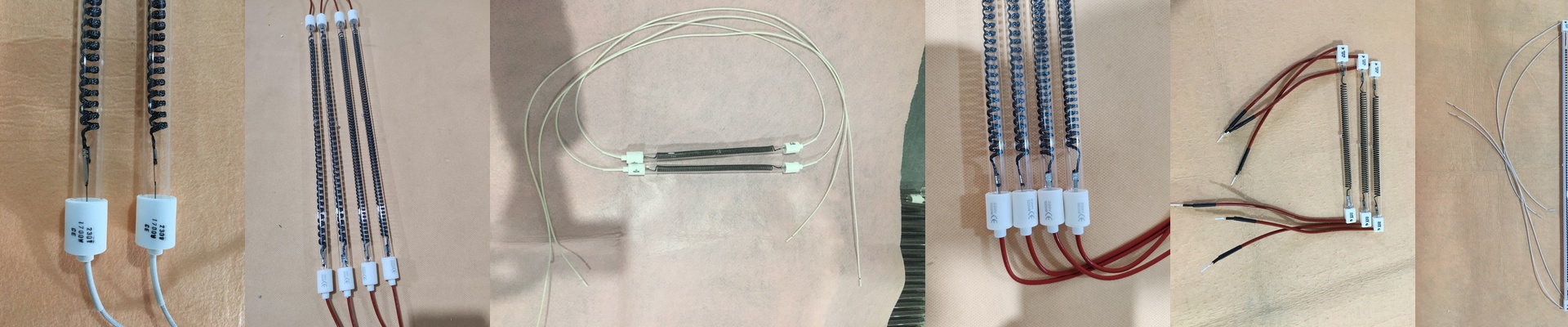
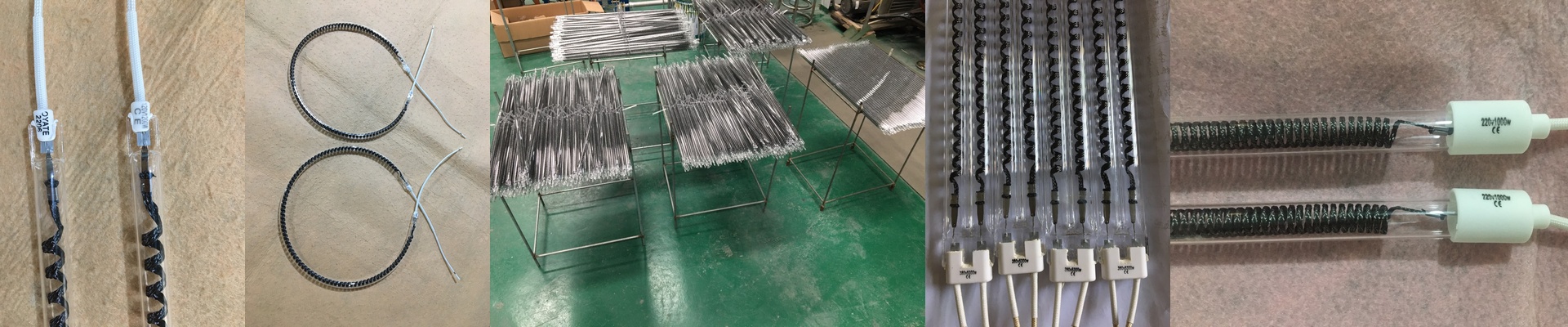
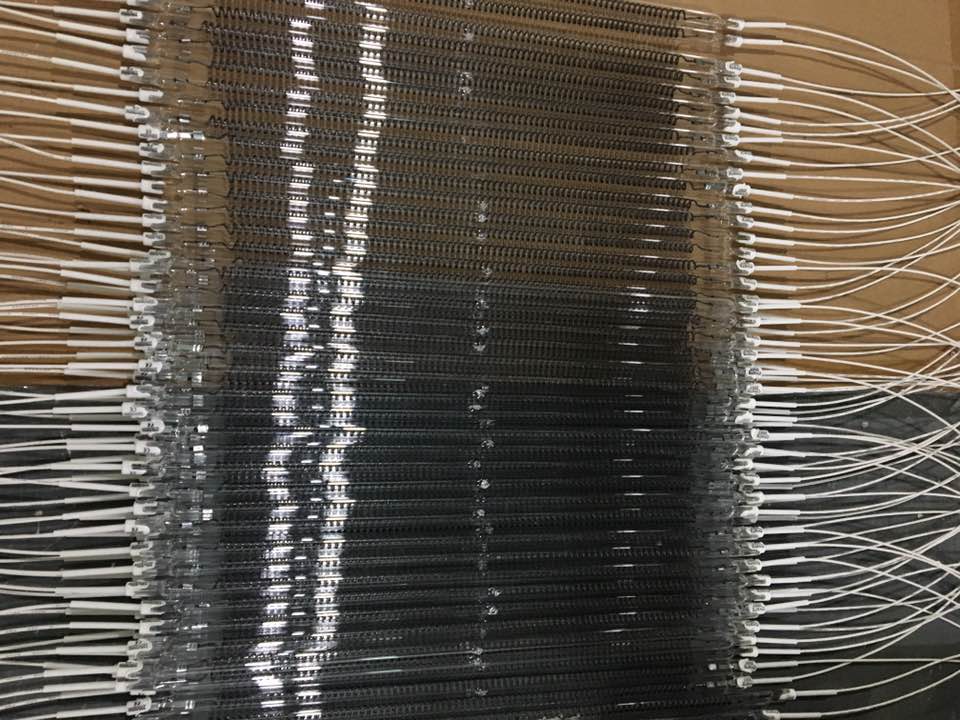
Ever tried to cram a lot of heat into a tiny space and ended up with “hot spots” and “cold zones”? It’s a nightmare. That’s exactly why we started designing these M-shaped carbon fiber tubes. The logic is pretty simple. A straight tube only gives you so much surface area. By bending the element into an “M,” we can pack way more heating surface into the same footprint. It means you can push more power into a small area without worrying about the ends of the tube burning out. The magic is in the overlap. Because of that M-shape, the infrared heat actually overlaps. It creates this concentrated zone of warmth that hits your material directly. Since we’re using carbon fiber, you’re getting medium-to-long wave infrared. It doesn’t just warm the air; it goes straight for the target. We wrap high-purity carbon fiber filaments in quartz or specialized glass. Why? Because carbon fiber is a beast when it comes to thermal stress. It doesn’t sag or warp, even when you’re cycling it on and off all day. Plus, that M-shape actually makes the whole assembly feel more rigid. A quick heads-up on the electrical side: You can plug these into most standard PID controllers, but you’ve got to be spot on with the voltage. If you over-volt a carbon fiber element, you’ll fry the filament in a heartbeat. No warnings, just pop—gone. If you’re running old ceramic or metal heaters in your curing ovens or drying lines, these are a great swap. They warm up incredibly fast. Like, almost instant. But, there is a catch. The carbon fiber is tough, but the quartz glass is fragile. If your machinery shakes or takes a lot of hits, don’t just slide these in. You’ll need some heavy-duty mounting brackets to keep things steady, otherwise, those M-bends become the first place where things might snap. One last tip: check your cooling fans. Make sure they’re positioned to keep those terminal connections cool during a long shift. It’ll save you a lot of headaches down the road.