Why Your Infrared Lamps Sag (And How to Stop It)
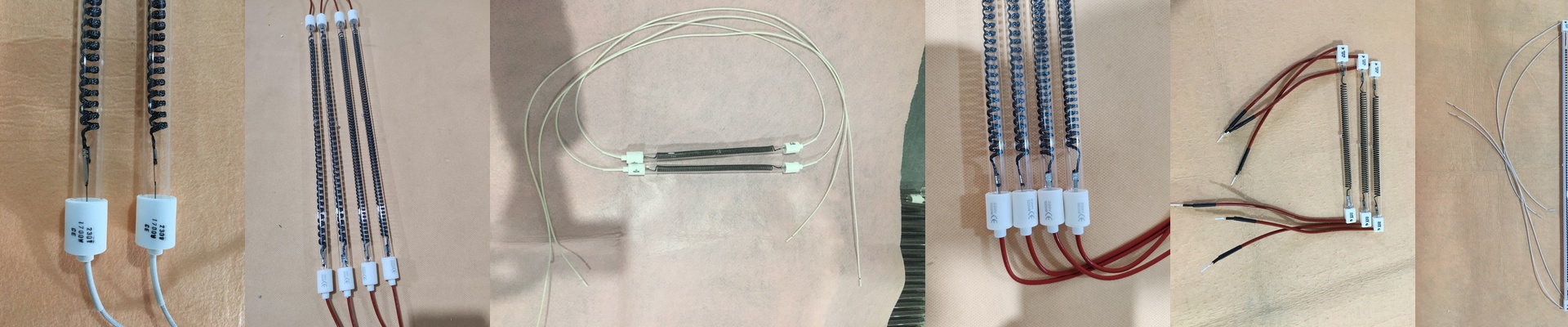
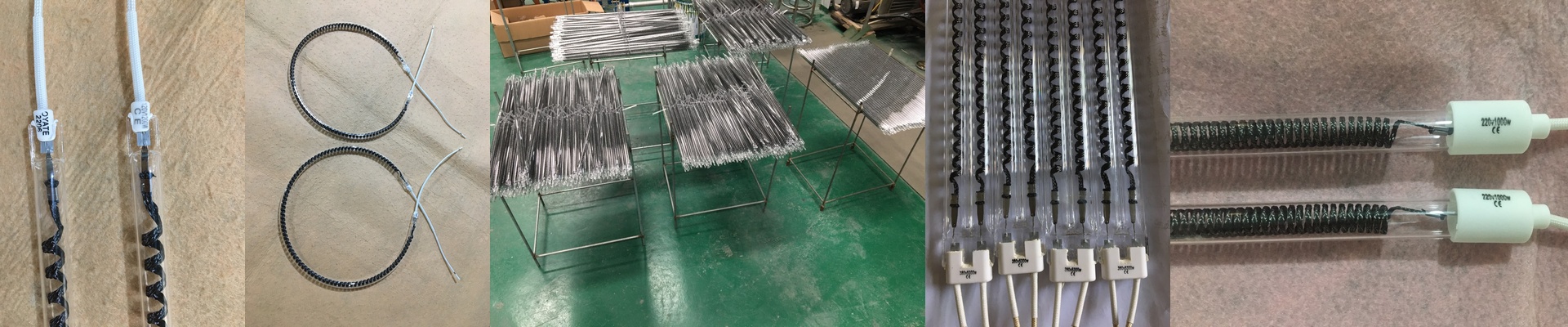
Imagine flashing an infrared lamp on and off tens of thousands of times. It’s not just about the heat. The filament is actually fighting against its own structure. It expands and shrinks so fast that it creates this brutal mechanical stress. If the supports aren’t up to the task, the wire starts to sag. And once it sags? You get hot spots, uneven heat, and—eventually—a dead lamp.
The fight against fatigue
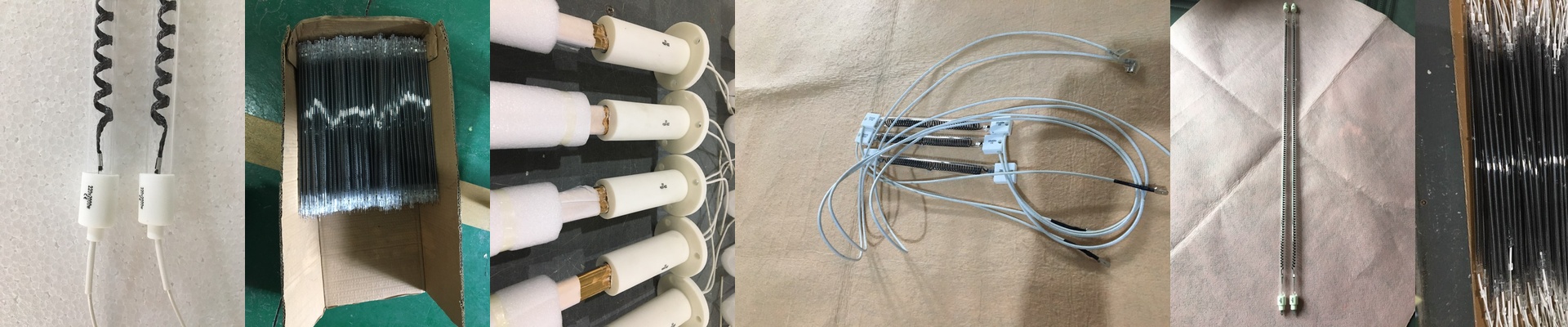
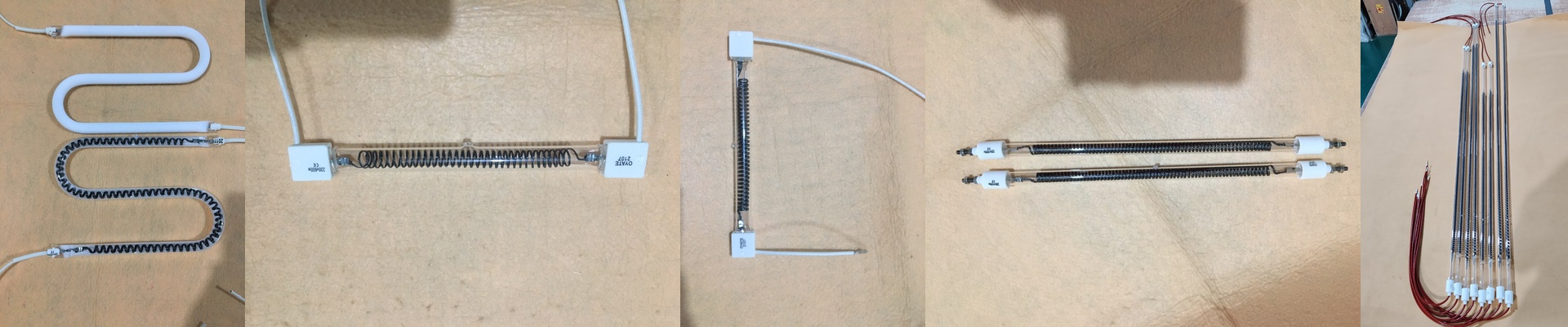
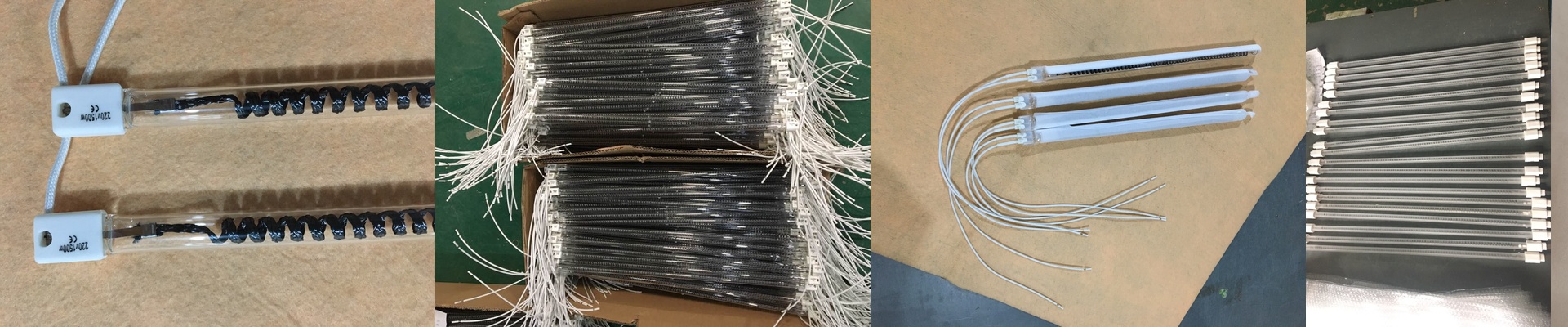
We spend a lot of time obsessing over the fatigue resistance of those supports. In a rapid-pulse setup, the lamp hits its peak temperature in a matter of milliseconds. That’s a massive thermal shock. Most standard supports just can’t take that kind of beating. To fix this, we use high-grade materials that expand and contract at the same rate as the tungsten filament. It keeps the tension steady, which keeps the wire straight. We put these lamps through the ringer—cycling them 50,000+ times. We aren’t even looking for “performance” at that stage. We’re looking for a physical shift. If that filament moves even a fraction of a millimeter, it’s a fail. Simple as that.
The trade-off
Here’s the catch: making the supports stiff enough to stop sagging makes them a bit more brittle. If you bump the lamp during installation, it’s more likely to snap than a cheaper, looser lamp would. You’ve got to handle these tubes with a bit of care. Because the system is so rigid, it doesn’t love vibration. Just make sure your mounting brackets are tight and dampened, and you’ll be fine.
Why this matters for smart lock repair
If you’re repairing smart locks or doing precision curing, you need a heat footprint that doesn’t budge. When a filament sags, the infrared pattern shifts. Suddenly, you’re overheating a sensitive plastic part or leaving a cold spot in the adhesive. It’s a nightmare for quality control. By locking that filament in place, the energy stays uniform across the whole tube. Cycle after cycle. No surprises.