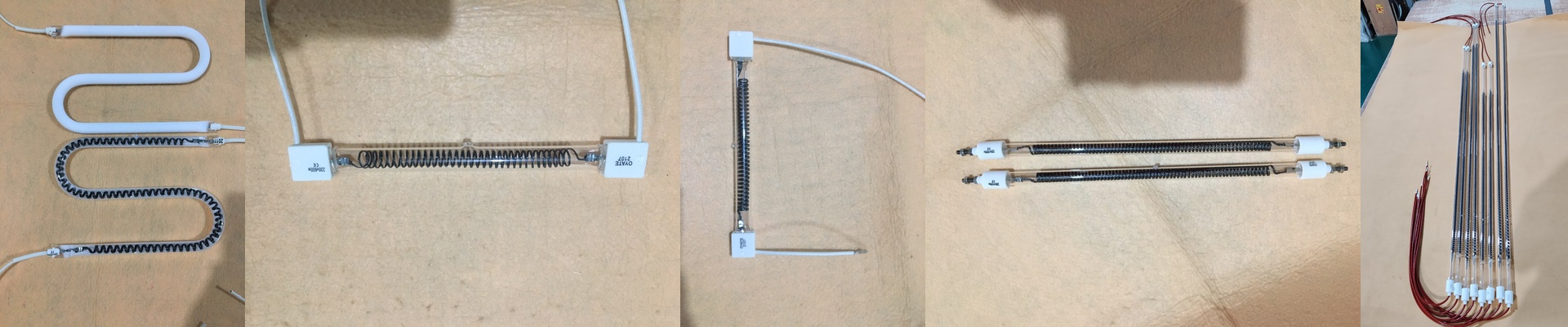
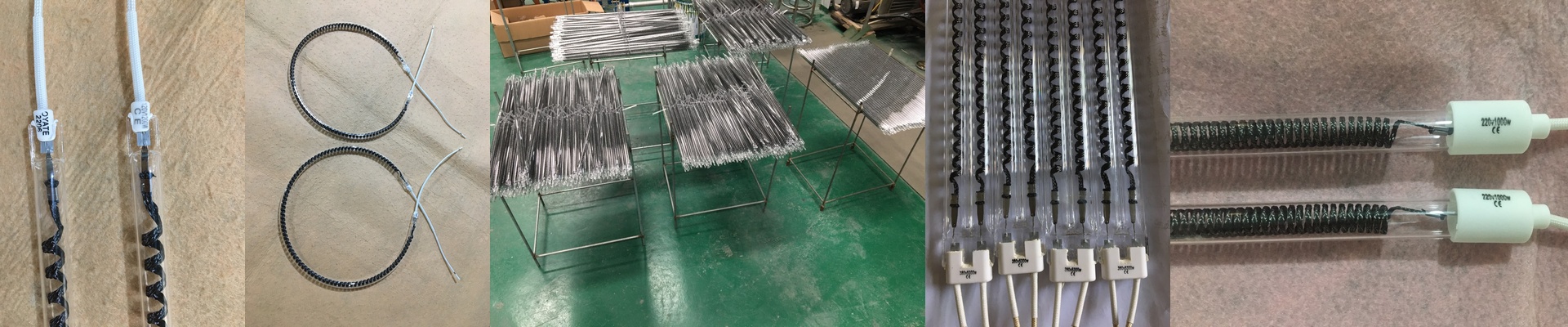
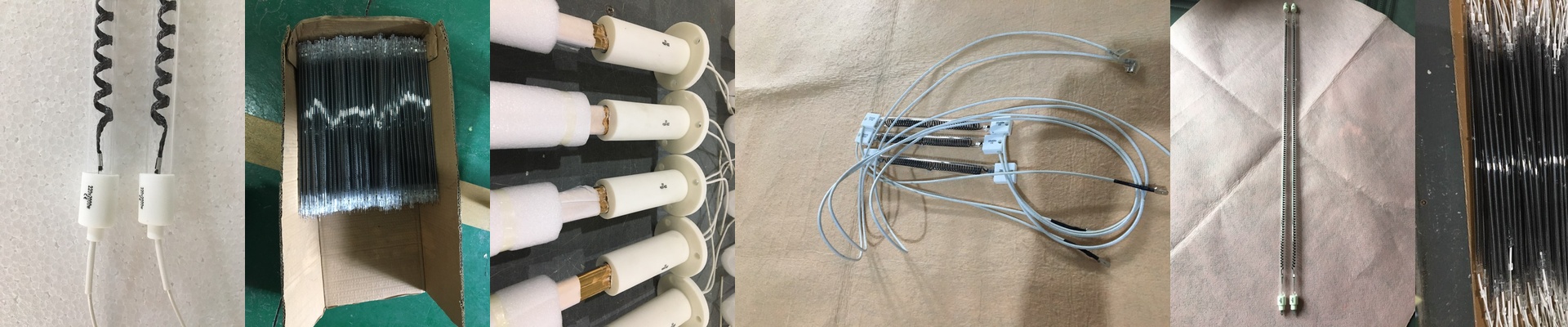
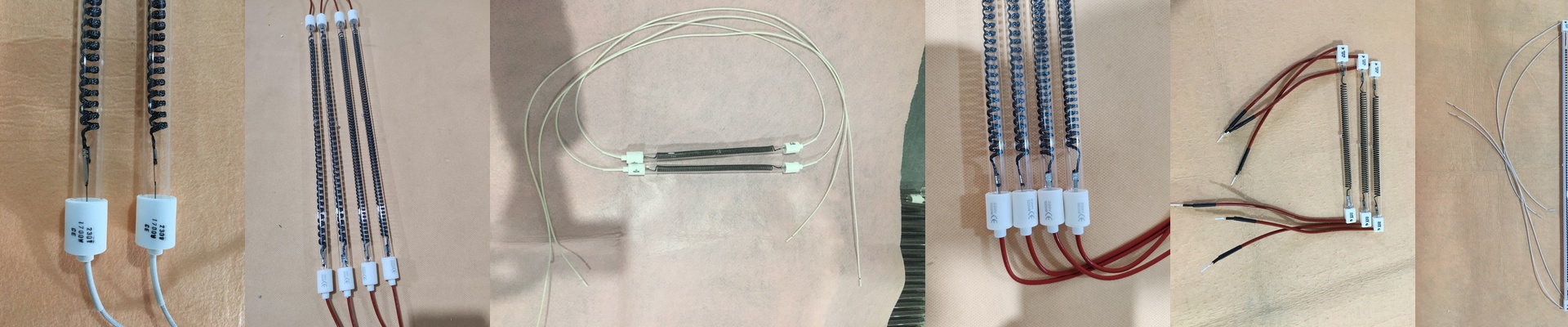
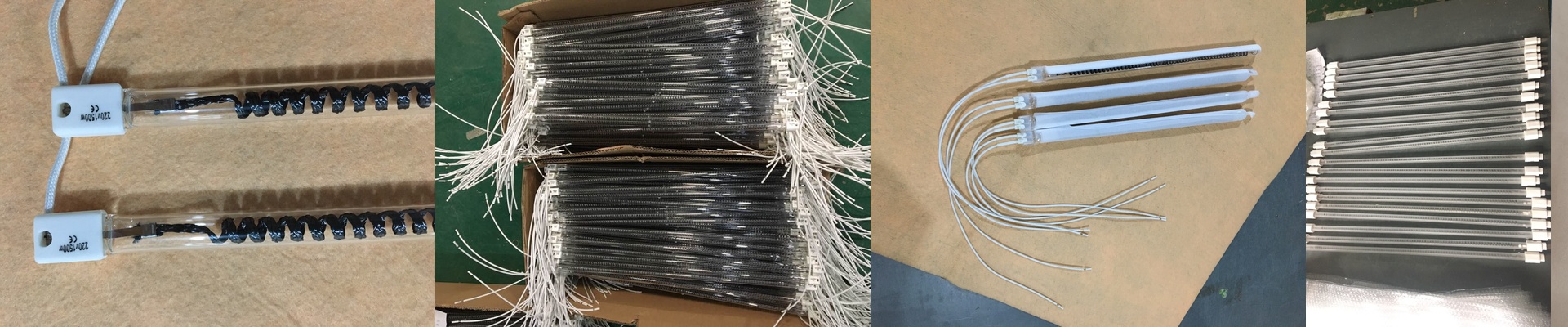
Let’s talk about high-power carbon fiber heating
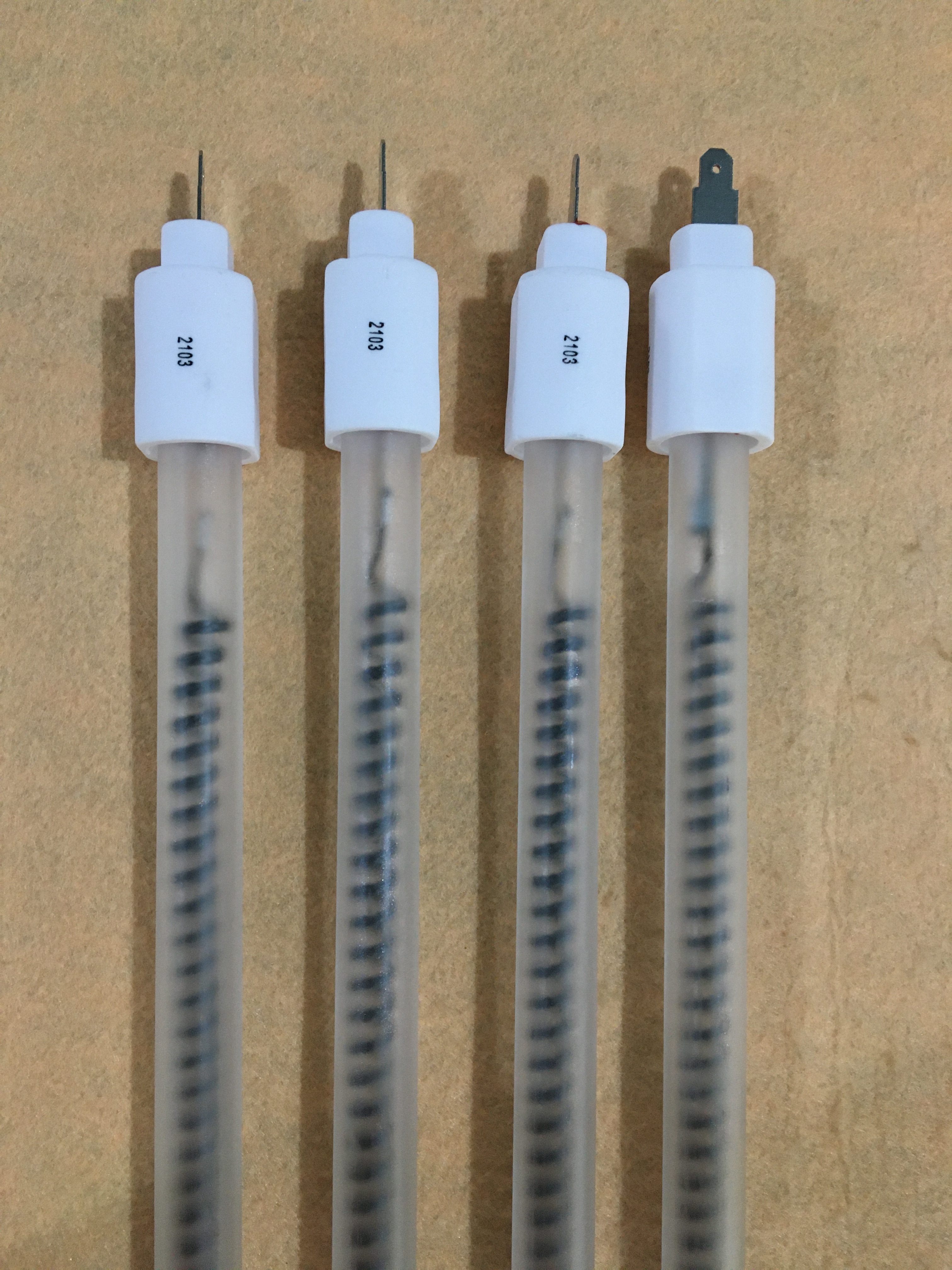
We built these carbon fiber lamps for one reason: to get a massive amount of heat exactly where you need it. They use shortwave infrared radiation to do the heavy lifting. If you’re still using old-school halogen systems, these are a breeze to swap in. Because we use a carbon fiber core instead of those thin metal filaments, we can pack way more power into the tube. It’s a lot of heat, delivered fast. The nitty-gritty on power Here is the thing about the electrical side: you have to get the voltage and length just right. If you don’t, the filament will just burn out. Basically, the voltage controls how much current is pulling through and how much heat is hitting your target. Higher voltage means we can cram more wattage into a shorter tube, which gives you that intense heat density. Just make sure your power supplies actually match the specs. If your voltage starts jumping around, you’re going to kill the lamp way sooner than you should. What they’re actually made of Inside, you’ve got that carbon fiber filament wrapped in high-purity quartz. Depending on where you’re using them, we can add special coatings. This helps shift the heat spectrum or keeps the glass from getting ruined by chemical splashes on a messy shop floor. For the connections, we stick with the basics—R7s or Sk15 connectors. You can wire them up in a flash without messing around with custom soldering. One warning, though. The quartz glass is a beast when it comes to heat, but it’s still glass. Be careful during installation. One clumsy move can crack the envelope, lose the vacuum, and ruin the whole thing. The trade-off The best part? These things ramp up almost instantly. If you’re doing PET blowing or drying, your cycle times will drop significantly. It’s a huge win for productivity. But there’s a catch. These tubes put out a staggering amount of ambient heat. You can’t just plug them in and walk away. You need to make sure your cooling fans and vents can actually handle the load. If the airflow is bad, that heat will soak right back into your machine frame and start warping your jigs. And nobody wants that.