Let’s Talk About Carbon Fiber Heating Lamps
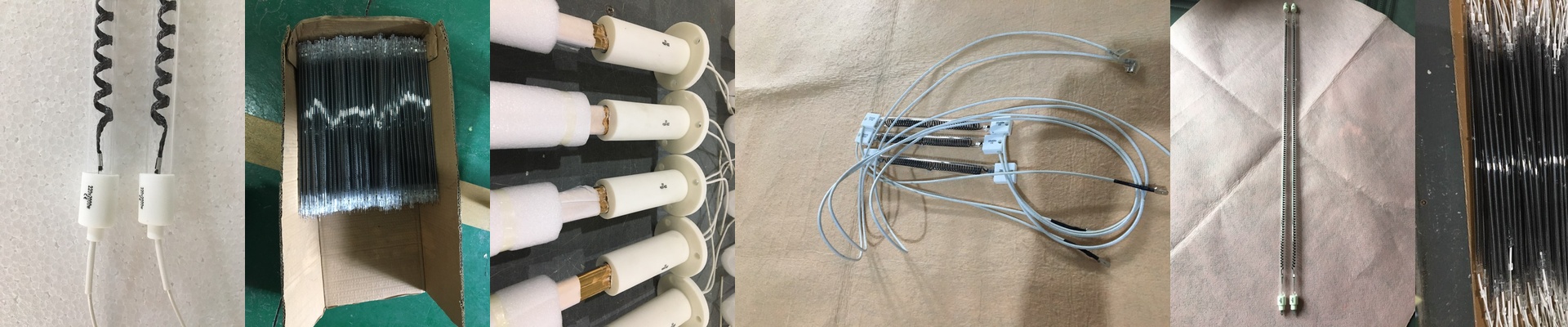
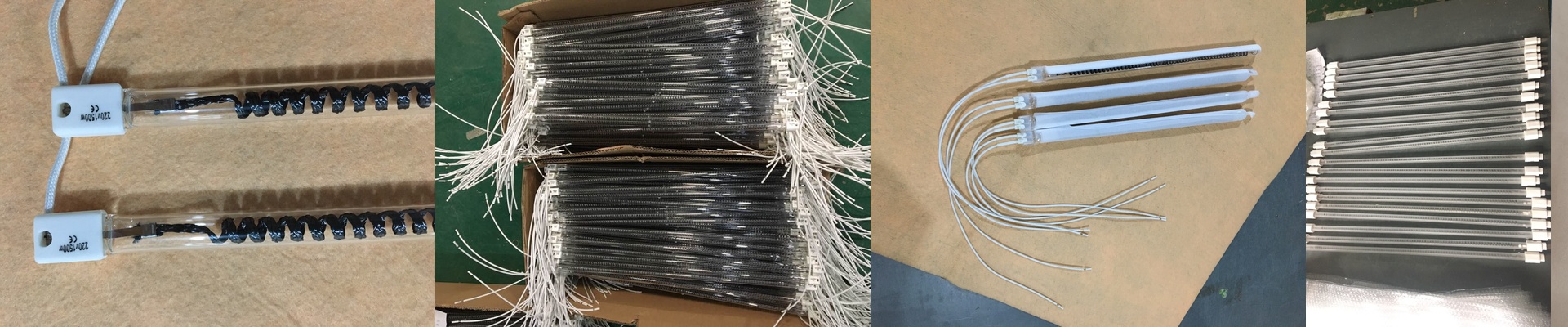
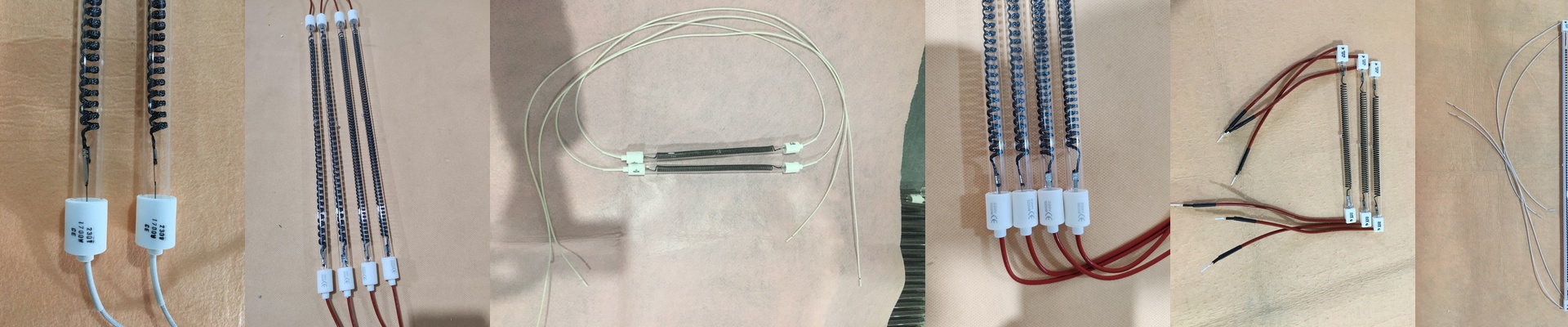
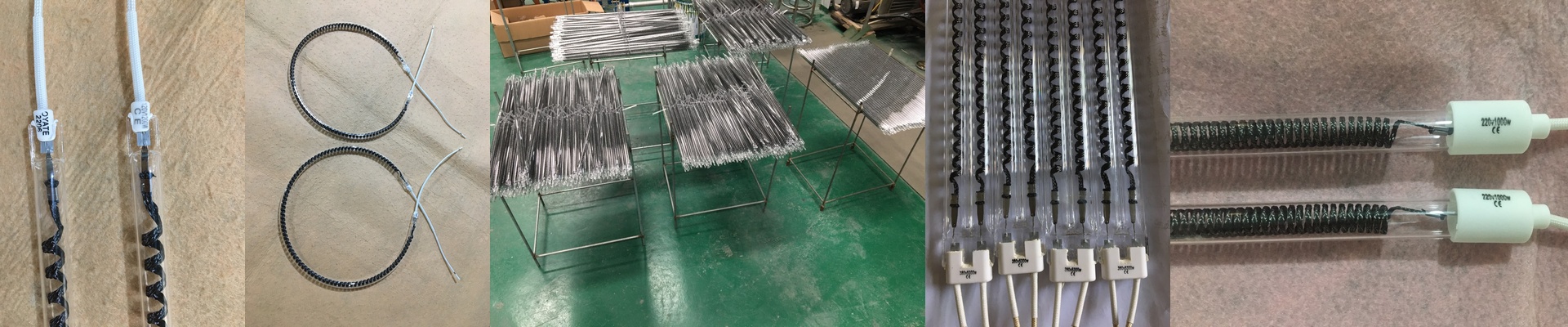
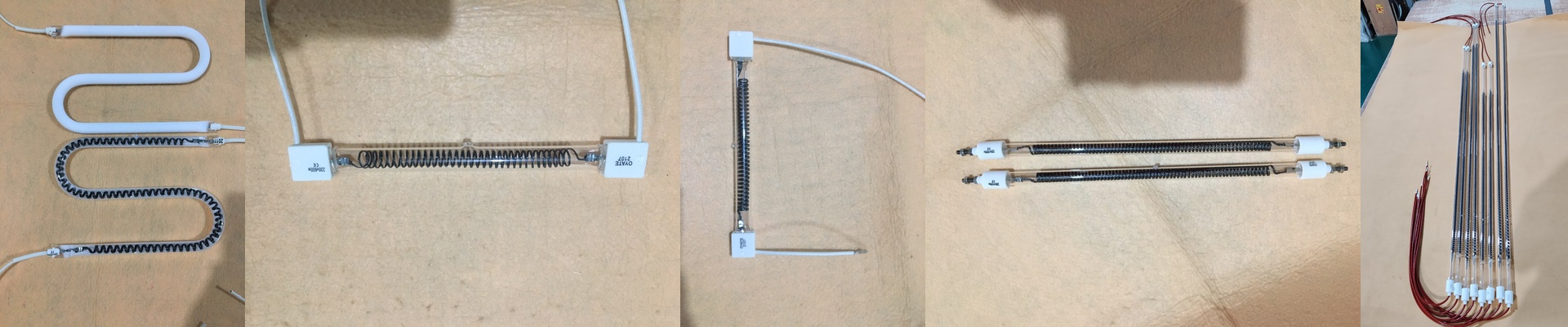
Most people are used to those old-school metal coil heaters, but we do things a bit differently. We use a conductive carbon filament tucked inside a quartz tube. The big win here? It heats up incredibly fast. Instead of waiting around for the lamp to warm up, you get a steady, even glow across the whole tube almost instantly. Getting the power right When you’re picking out a lamp, it really comes down to voltage and wattage. If you need to hit high temperatures in a hurry, you’ll want a high-wattage lamp to pack more energy into a smaller space. We usually build these to match your specific power grid. It’s a huge relief because you can skip those bulky, annoying transformers. Just a heads-up: while high power density gets the job done quickly, make sure your housing can handle the leftover heat. You don’t want your wiring melting because the air around the lamp got too hot. The build and the bits The quartz tube isn’t just for show—it keeps the carbon filament from oxidizing and burning out. Sometimes we add special coatings to the glass to help the heat soak into your material better. As for the plugs, we stick to the basics like R7s or SK15. They’re designed to be drop-in replacements for most industrial ovens. It’s a tight fit, which is exactly what you want. If the lamp vibrates while the machine is humming along, a snug fit means you won’t deal with any nasty electrical arcing at the terminals. Real-world use (and a few warnings) You’ll see these all over the place in PET bottle blowing and shrink wrapping. The response is immediate, so you can tweak your heat zones on the fly. But here’s the thing: carbon fiber is more brittle than tungsten. If your machine shakes violently or if you’re a bit too rough during installation, the filament can snap. Be gentle when you wire it up. And please, use heat-resistant clips to hold the tube. If it sags when it gets hot, you’re asking for trouble.