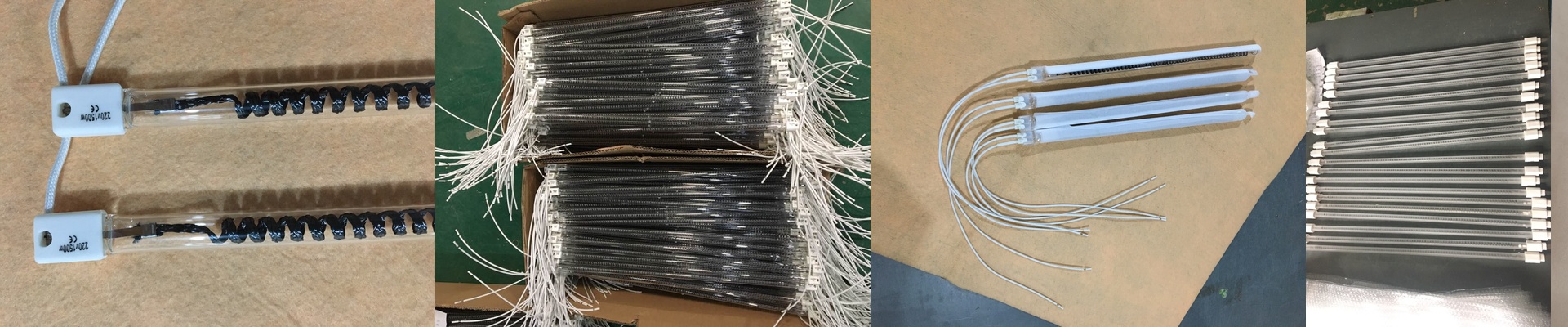
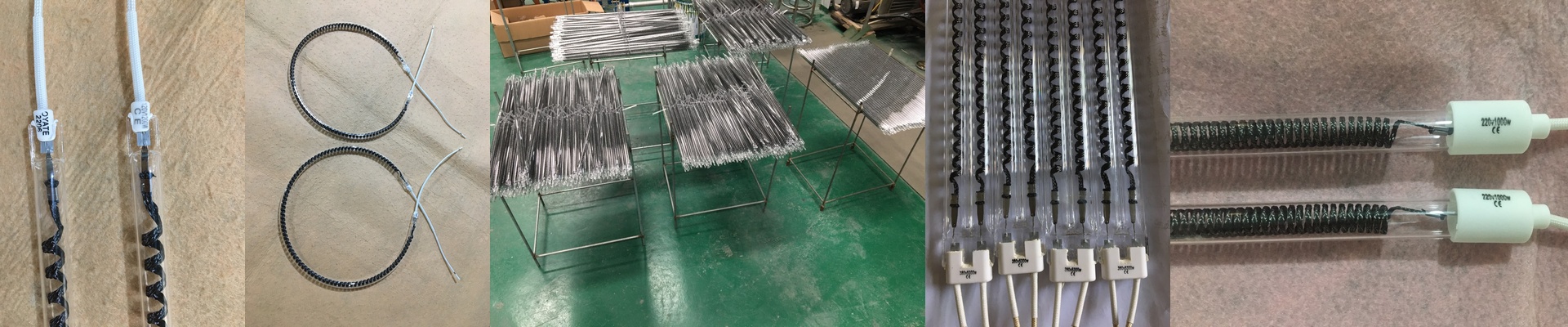
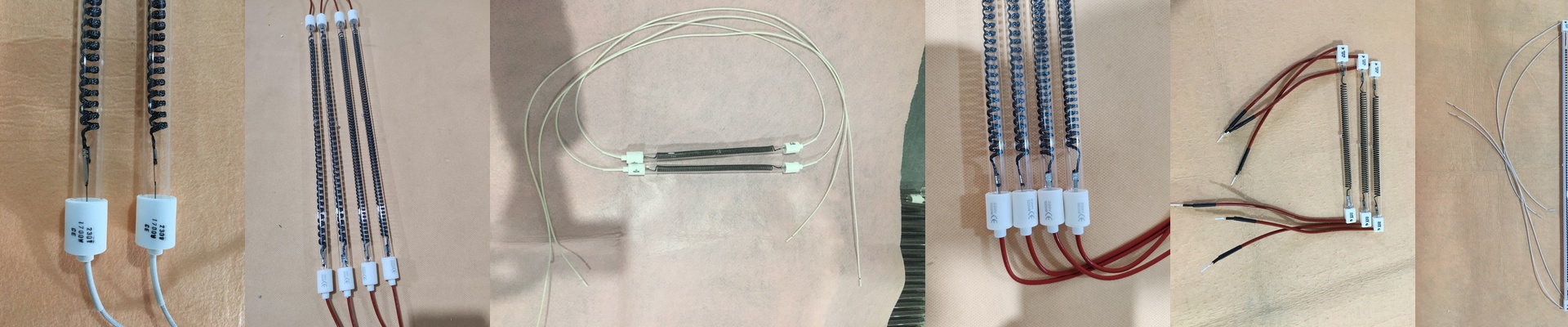
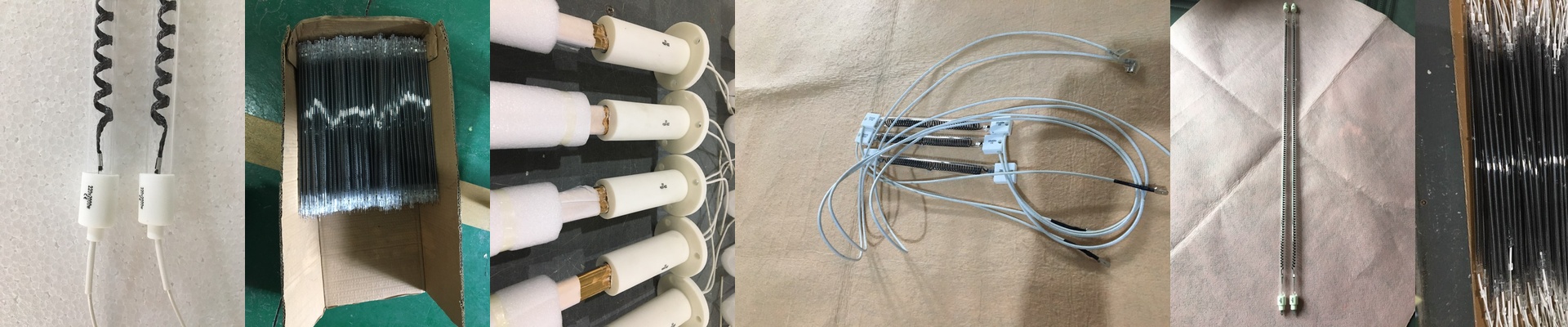
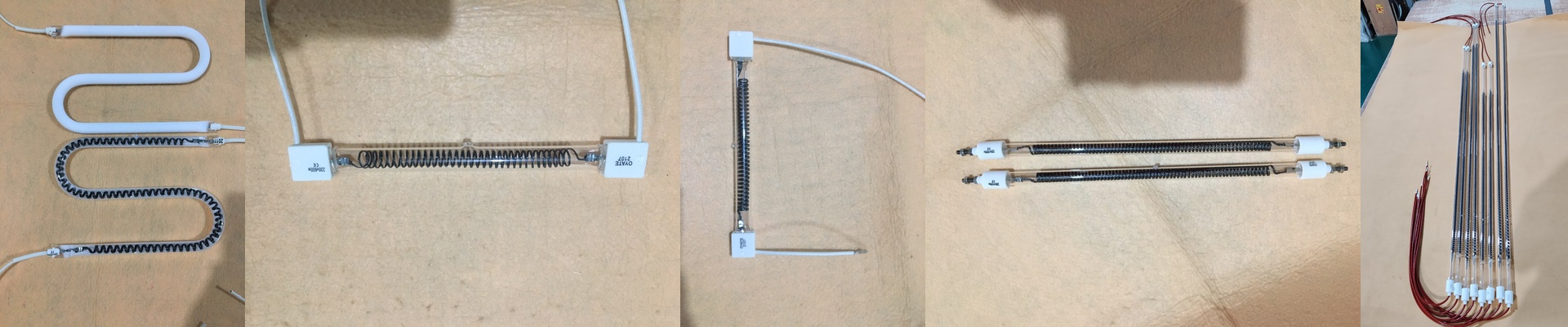
Let’s Talk About Carbon Infrared Heating Elements
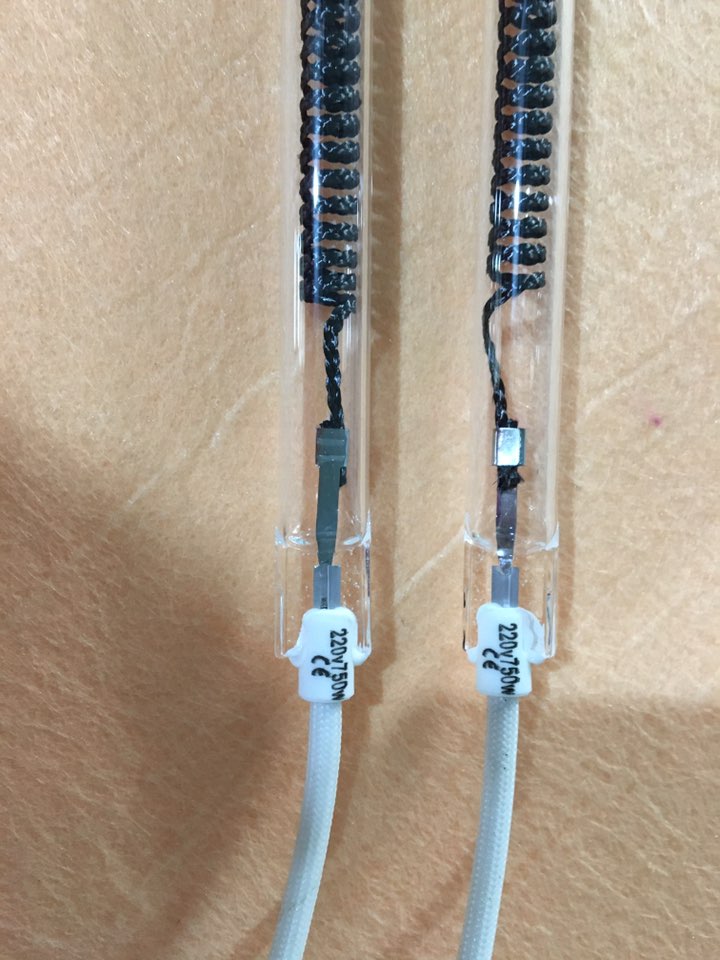
If you’ve ever used a standard metal coil heater, you know the drill. They take their time to warm up. Carbon infrared heaters are a different beast. We use a carbon-fiber filament tucked inside a quartz tube, which basically means they don’t fight the electricity as much. They just get hot. Fast.
Getting the Heat Right
Depending on the wattage and voltage you pick, you can really dial in how intense that heat is. If you cram a lot of power into a short tube, you get this incredible heat density. It’s an instant ramp-up. This is exactly what you want if you’re running a fast industrial line—think PET bottle blowing or curing plastics where every second counts. But here’s a pro tip:**keep your reflectors clean.**If they’re pitted or covered in grime, you’re basically throwing your energy away. It’s like trying to shine a flashlight through a muddy lens.
The Build
We stick with quartz glass because it lets that shortwave radiation fly right through without getting trapped. Sometimes we add special coatings to the glass, either to tweak the heat spectrum or just to keep the tube from getting trashed by debris. And we didn’t want you spending your whole afternoon rewiring a panel just because one lamp popped. That’s why we use standard R7s or Sk15 connectors. You just pop the old one out and drop a new one in. Simple.
The Trade-offs
Look, nothing is perfect. The big win here is speed. Carbon elements react almost instantly, so you have way more control over your heating zones. The catch?They’re fragile. Quartz doesn’t love vibration. If your machine is shaking or your mounting clips are clamped down too tight, the tube will crack. It’s a headache you don’t want. Make sure everything is aligned perfectly. If the tube isn’t sitting right, you’ll get hot spots that eat through the filament. Just wire it up carefully, keep the glass clean, and these things will last you a long time.