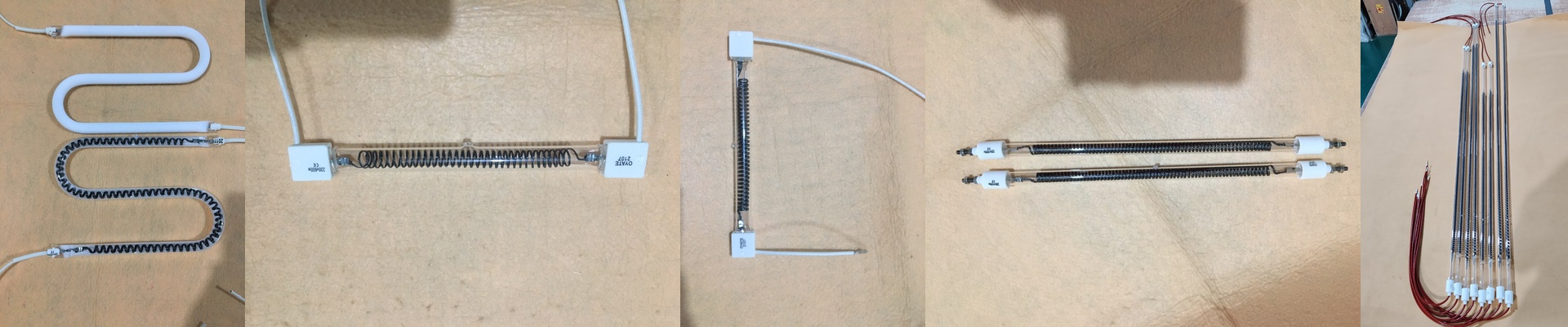
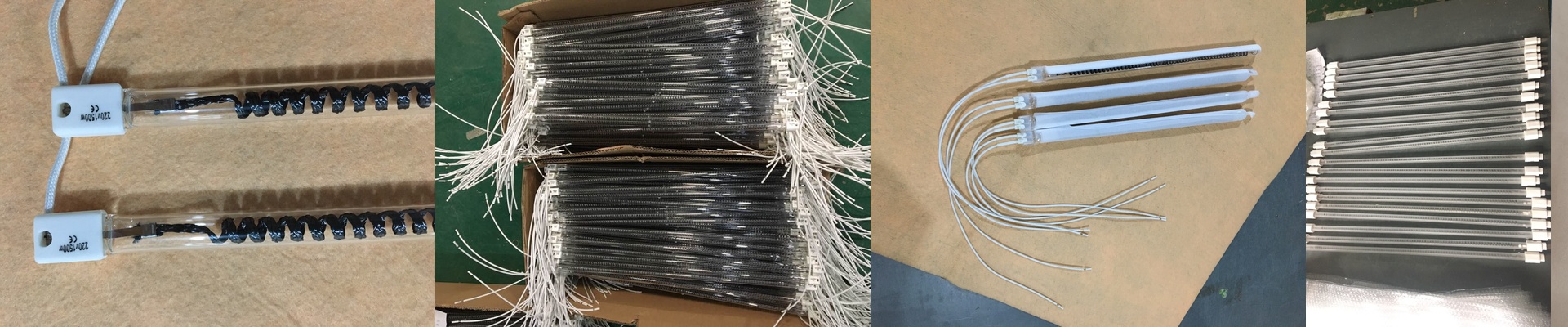
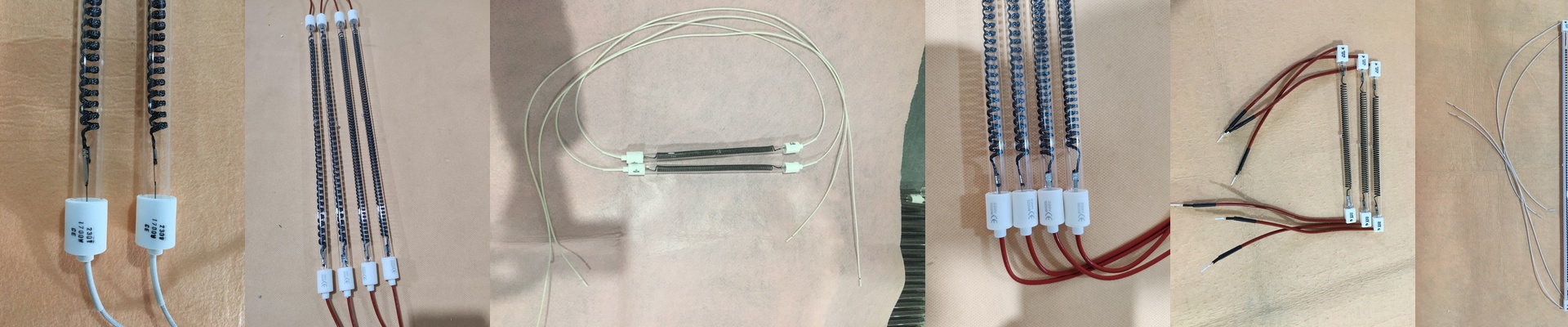
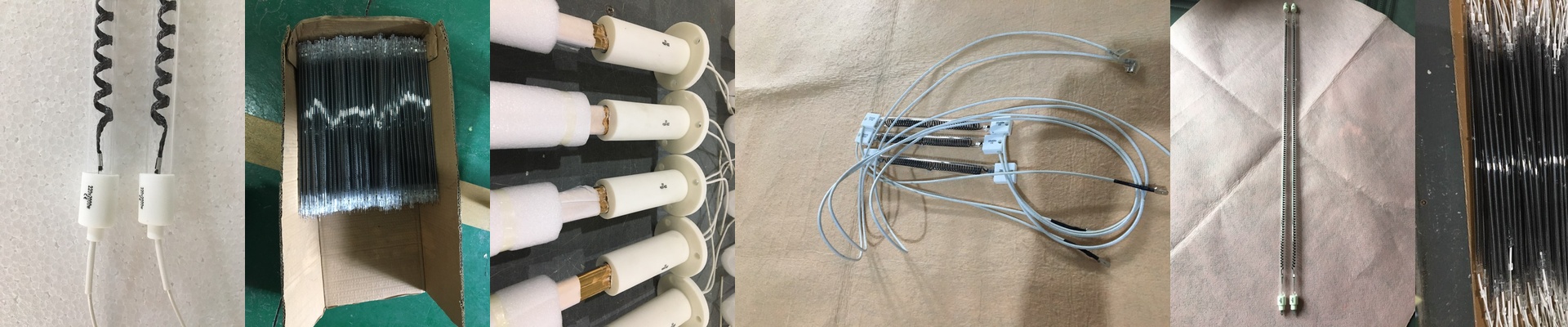
IR vs. Hot Air: Which one actually works for BGA?
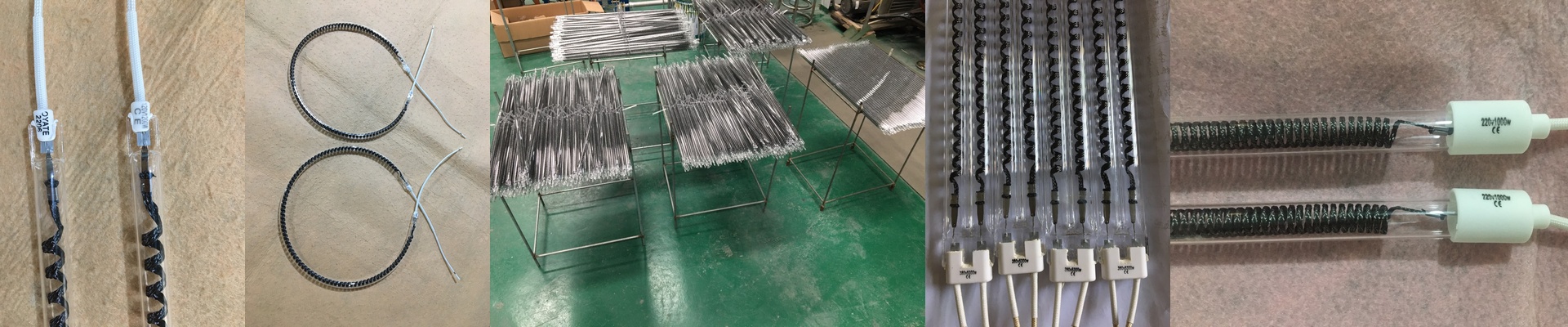
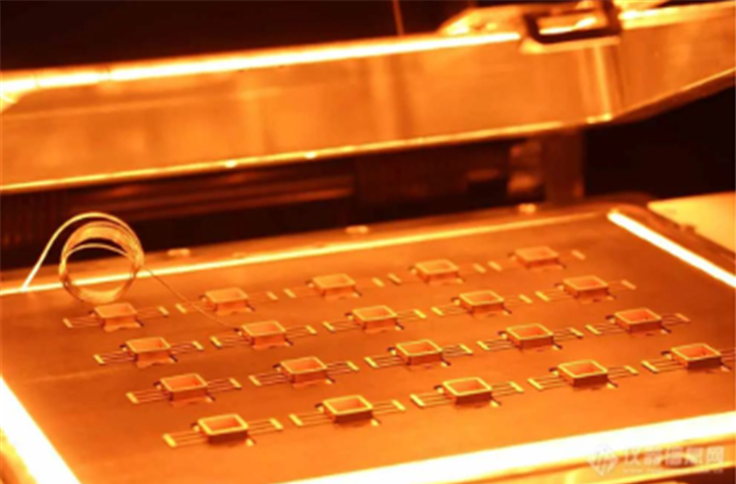
If you’ve ever tried to pull a BGA chip off a smart lock PCB, you know the struggle. You’re basically fighting a war against surface tension and that stubborn thermal mass. Most shops just grab a hot air gun and hope for the best, but if you’re doing precision work, you really want to be looking at infrared (IR) lamps. Here is the deal with the physics. Hot air is all about convection. You’re basically blowing hot wind at a board, praying the heat actually reaches those tiny solder balls. But there’s a catch: the “wind chill” effect. When you’ve got air blasting at high speeds, it’s way too easy to accidentally blow a tiny capacitor right off the board or end up with weird, uneven hot spots. IR lamps are different. They use radiation. Instead of heating the air, they send out electromagnetic waves that go straight through the air and hit the component and the PCB directly. It’s like the sun hitting your skin on a cold day. The material itself gets excited and heats up from the inside. This means you hit that melting point way faster. Why this matters for BGA chips. The problem with BGA is that the solder joints are hiding underneath the chip. With hot air, you have to bake the top of the chip and wait for that heat to slowly soak down to the balls. It’s risky. Too often, the top of the chip gets scorched—what we call “popcorning”—before the solder at the bottom even thinks about melting. With an IR lamp, you’re hitting the board and the chip at the same time. The radiation cuts through the solder mask and hits the copper pads. You’re melting those joints from the bottom up, which is much kinder to the silicon die. It just feels safer. The catch. Now, IR isn’t magic. It’s not blind. Different colors and materials soak up IR differently. A black component is going to get hot a lot faster than a silver one. Because of that, you can’t just set it and forget it. You’ll want a thermocouple to keep an eye on the board temperature so you don’t accidentally toast the substrate. And if you’re dealing with a board that has a massive copper pour, you’ll need a beefier, higher-wattage lamp to fight that heat sinking.