Let’s Talk Carbon Fiber IR Lamps
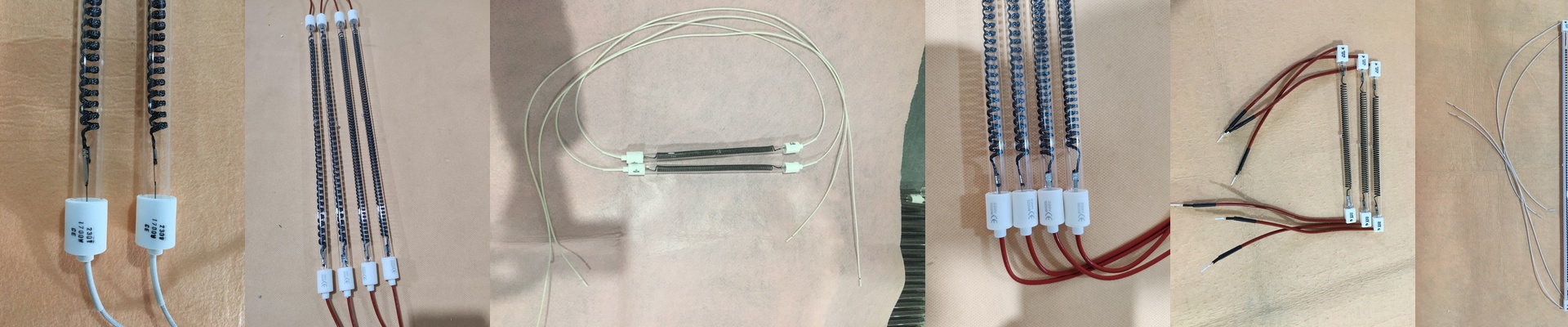
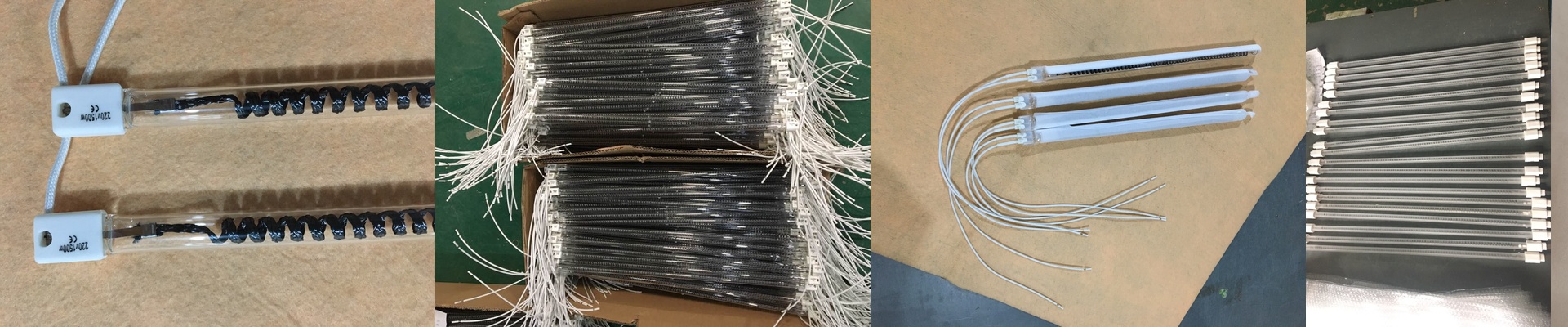
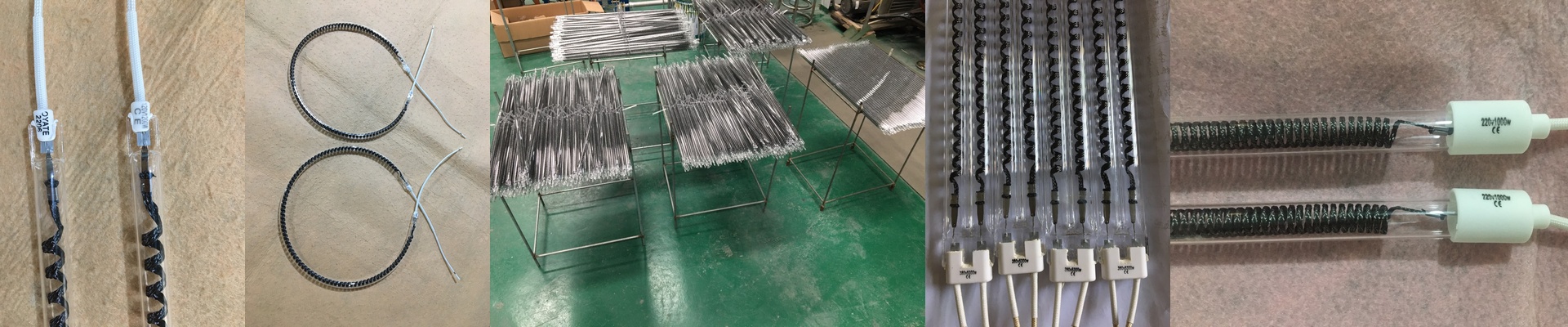
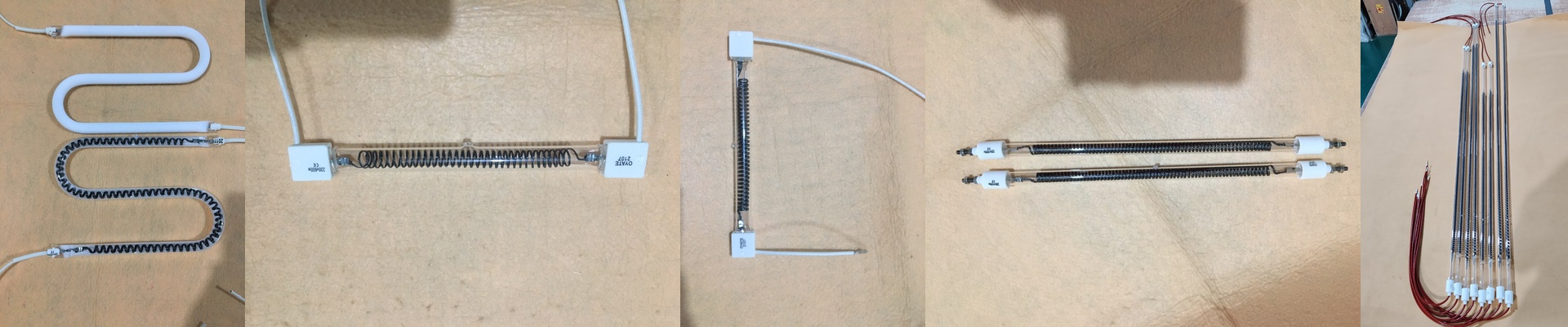
If you’re used to old-school quartz or halogen tubes, carbon fiber IR lamps are a bit of a different beast. Instead of a metal wire, we use carbon fiber filaments tucked inside a quartz envelope. The big win here? You get a much wider heating area, and the surface doesn’t get nearly as scorching as those metal filaments do.
Getting the Power Right
When you’re picking your lamps, it’s all about the balance between wattage and your voltage supply. Here’s the thing: if you cram too much wattage into a short tube, the heat density spikes. We build these to handle heavy industrial loads, but you’ve got to make sure your power controllers can take the hit from the inrush current. **Don’t push too many watts into a tiny footprint.**If you do, you’ll burn out the leads. Simple as that. Just make sure your wiring matches the amp draw so you don’t deal with annoying voltage drops across the line.
Design and the Nitty-Gritty
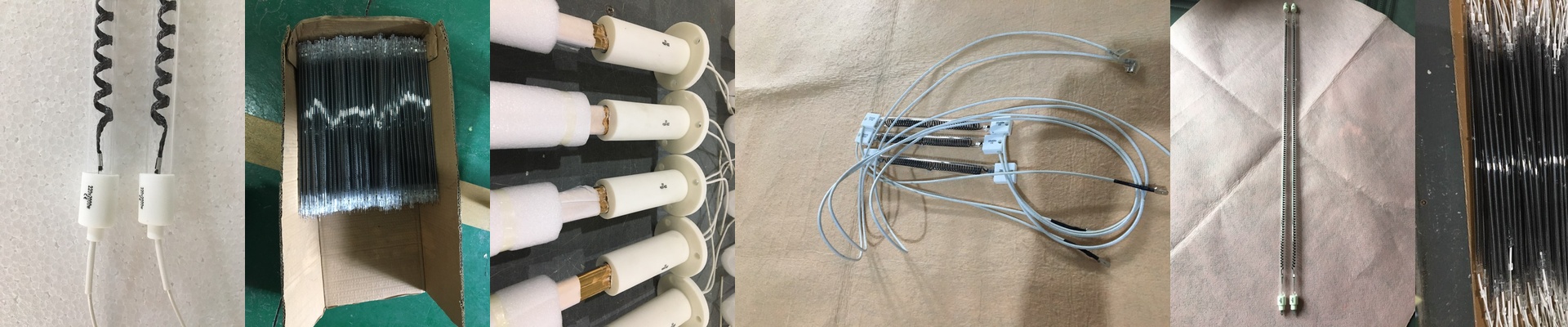
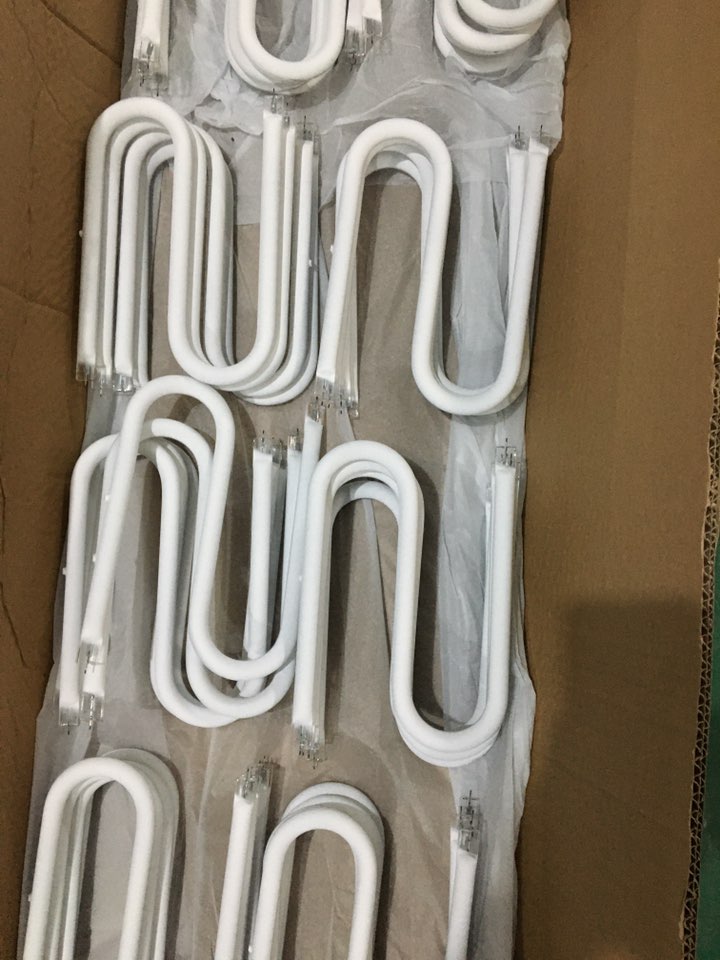
The carbon fiber core is great because it spreads the heat out evenly. You don’t get those intense “hot spots” that usually happen with halogen lamps. We use quartz glass for the outer shell because it just lets the IR waves slide right through without soaking up the heat itself. Then there’s the connector. Whether you go with a slide-in or a fixed terminal really comes down to how fast you want to swap them out during maintenance. **One warning: make sure the fit is tight.**A loose connection creates arc points, and that’s a quick way to melt your housing. Not a fun day at the office.
Where They Actually Work (and Where They Don’t)
You’ll see these all over the place—drying tunnels, PET blowing, plastic welding. The magic is that they heat the material itself, not the air around it. But there’s a trade-off. Carbon fiber lamps take a little longer to warm up than those short-wave halogen tubes. If your process needs an instant “thermal shock,” these might feel a bit sluggish. But for steady-state curing or drying? They’re fantastic. You won’t have to worry nearly as much about scorching your workpiece. Just a heads-up: double-check your cooling fans. You need them sized right so the lamp housing doesn’t overheat.