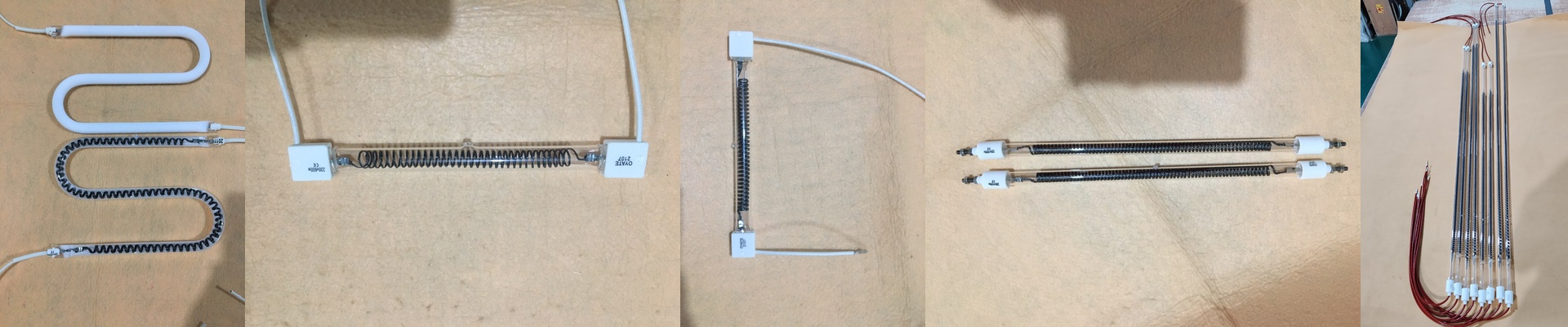
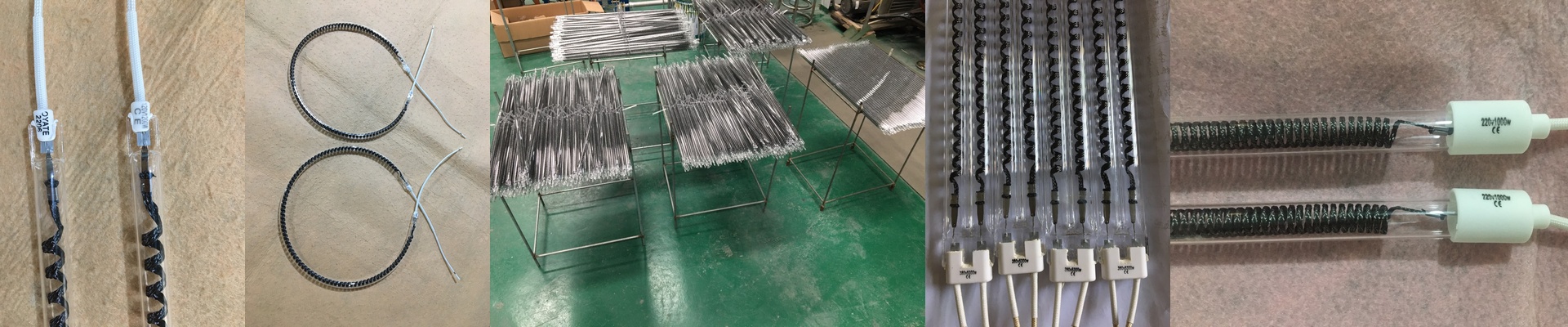
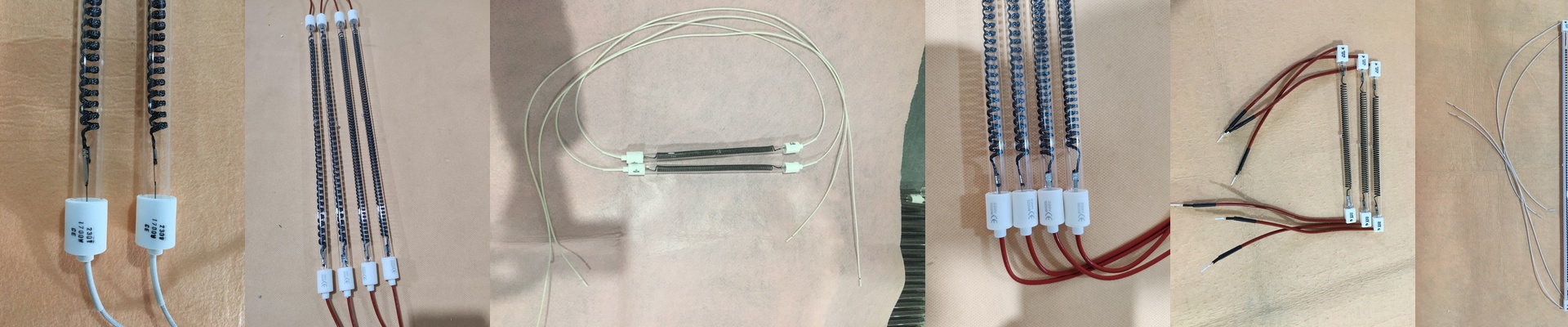
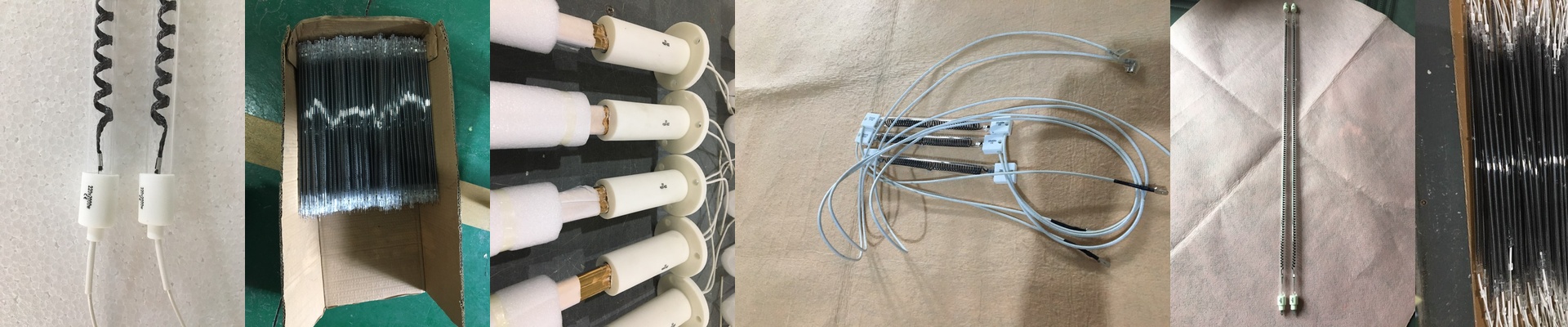
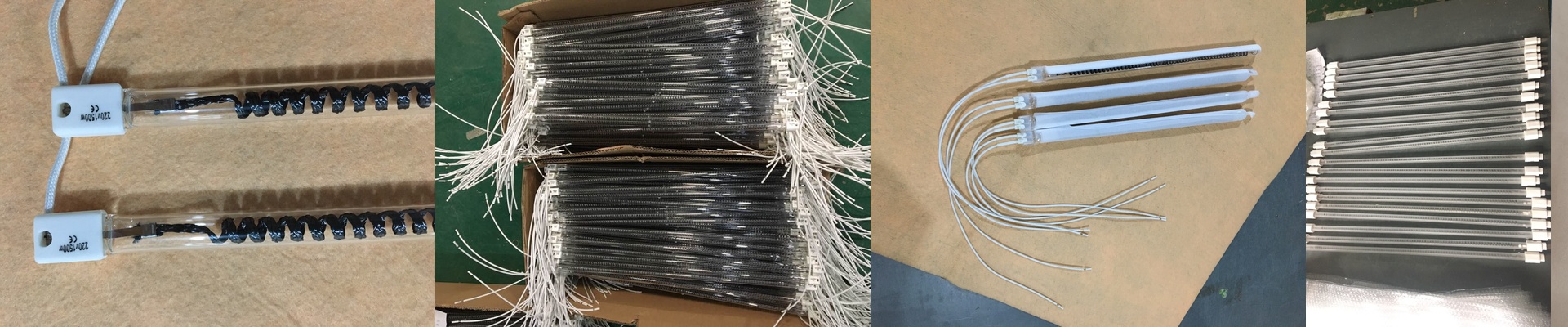
Let’s Talk About 1000W Carbon Fiber Heat Lamps
If you’re dealing with high-intensity infrared work, you’ve probably seen the standard quartz heaters. They’re fine, but we do things a bit differently. We use a carbon fiber filament tucked inside a quartz tube. Why? Because it’s fast. Like, really fast. Instead of waiting around for a metal coil to finally get warm, these lamps hit their stride almost instantly. They push heat deeper into your materials, which saves you a ton of time. The heat side of things At 1000W, you’re getting a serious punch of energy. The best part is that the carbon fiber doesn’t spend half its time heating itself up first. It just sends that energy straight into your workpiece. Your oven warm-up cycles shrink, and you get to your target temperature in seconds. The build (and a warning) We use high-purity quartz because we want as much IR radiation as possible to get out of that tube and onto your project. The carbon fiber core is also a beast—it handles the heat without breaking down or oxidizing like those cheaper alloys do. But here’s a pro tip:be careful with your mounting brackets. Quartz expands and contracts as it heats up and cools down. If you clamp it down too tight, the glass will just snap. Give the tube some room to breathe, or you’ll be replacing it a lot sooner than you’d like. Making it work in your shop These are great if you’re doing PET blowing, curing paint, or welding plastics. In most cases, you can just swap them into your existing industrial ovens. Just keep an eye on your airflow. Because these lamps pack so much power into a small space, the ends can get dangerously hot. If your fans aren’t moving enough air, your connectors might actually burn out. To play it safe, use high-temp silicone leads. Trust me, it’s much better than dealing with melted insulation.