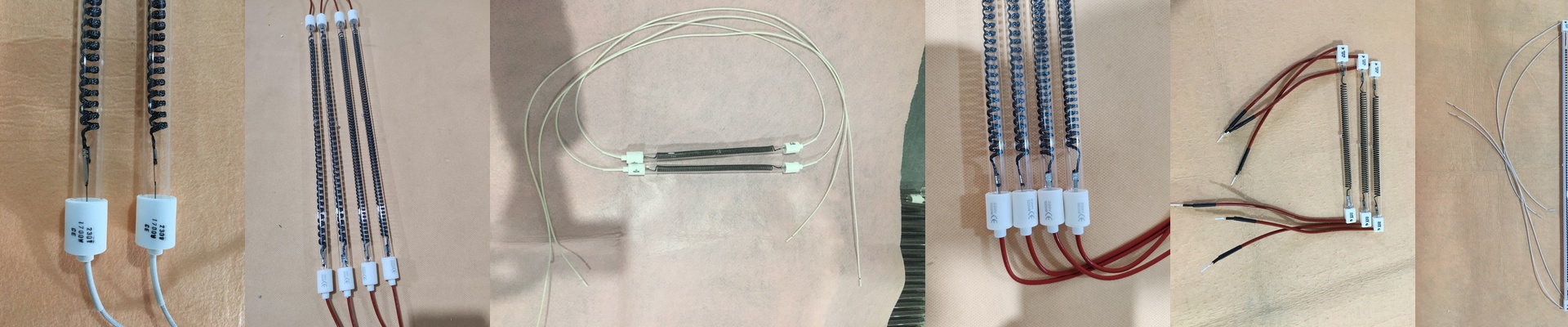
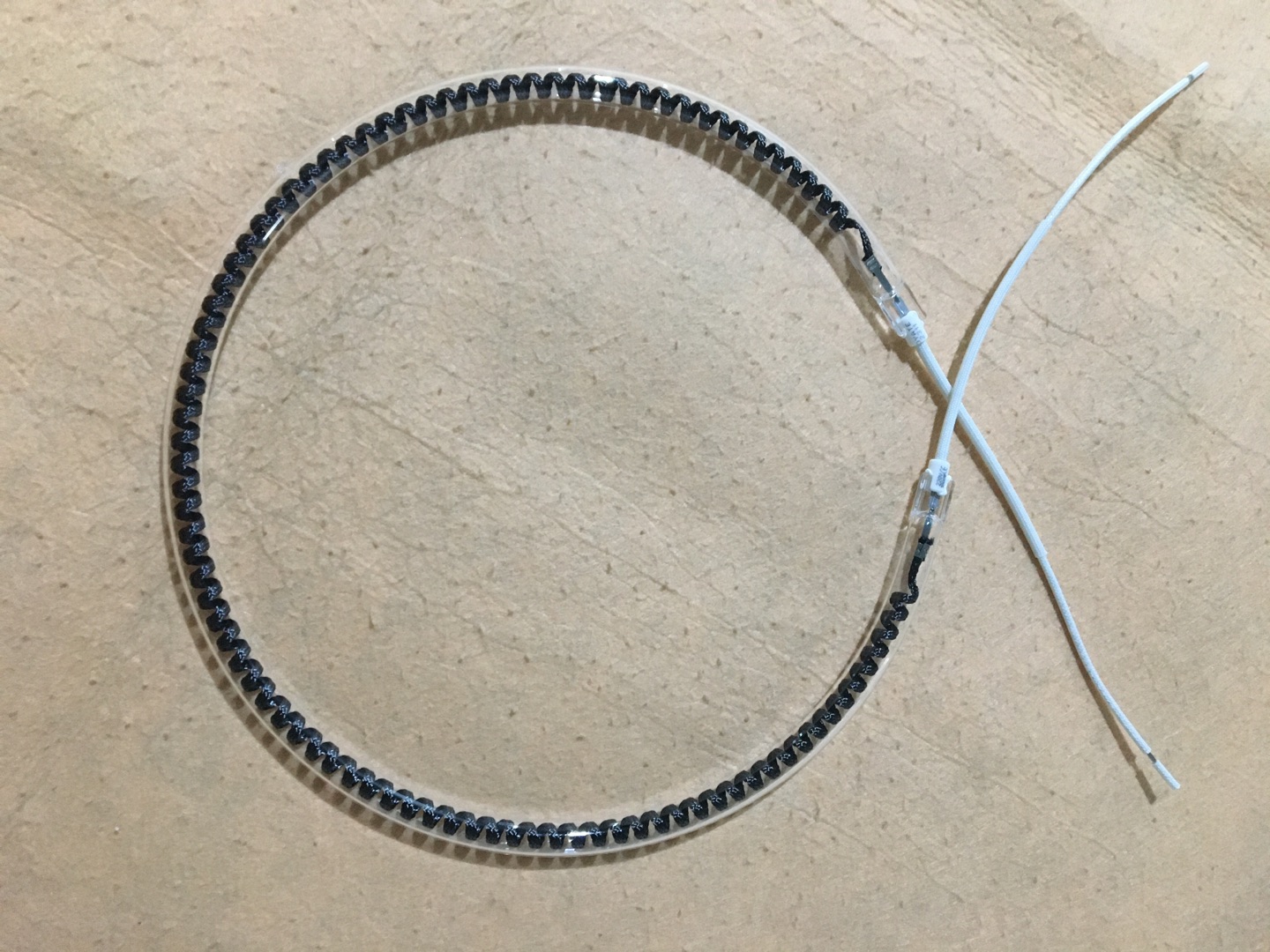
Let’s Talk Carbon Fiber Medium Wave Heat
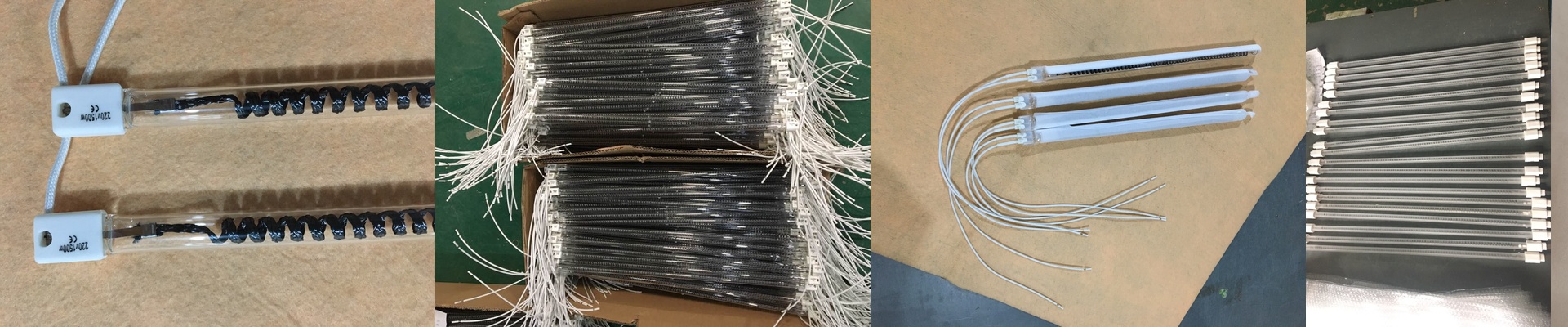
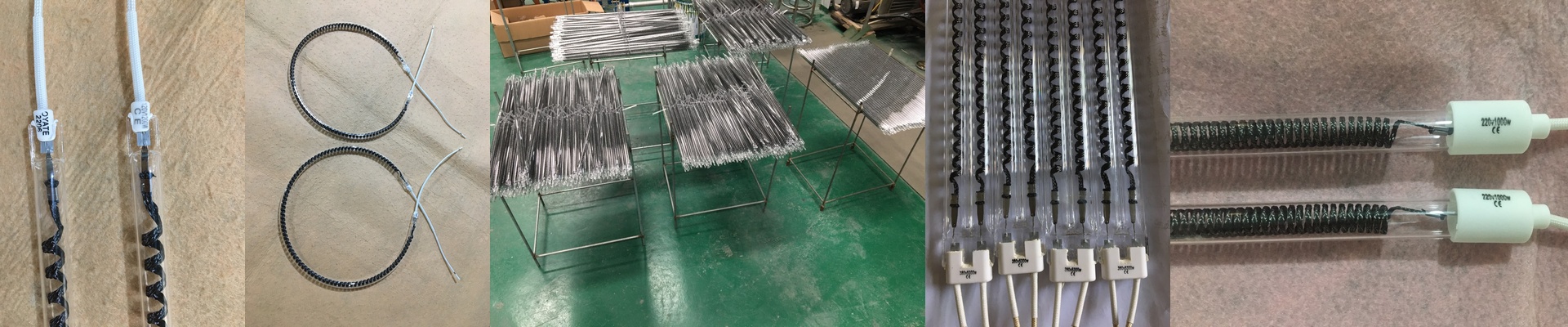
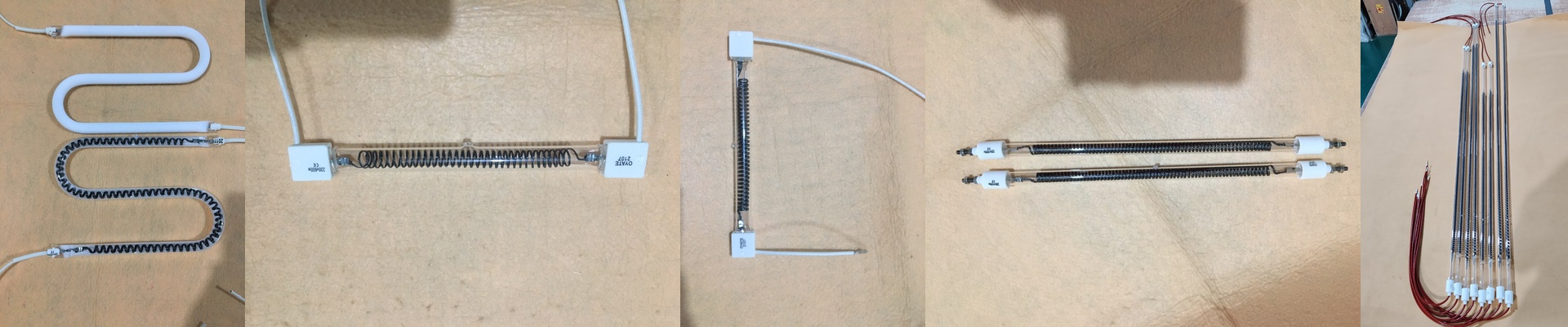
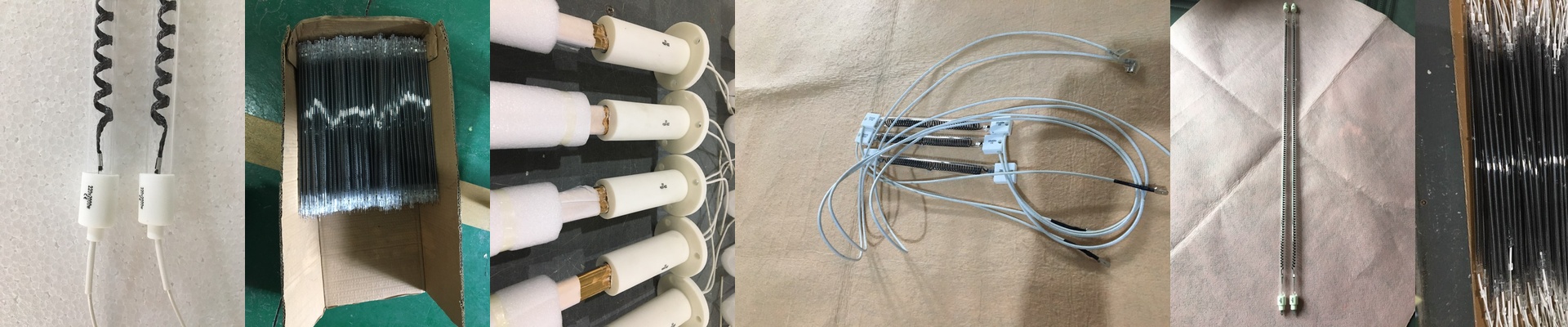
Ever tried heating a thick piece of plastic or an organic material only to find the outside is scorched black while the center is still ice cold? It’s a nightmare. That’s exactly why we build our carbon fiber medium wave lamps. Instead of the usual quartz heaters, we use a carbon fiber filament. It changes the way the heat hits the material, pushing it into that “medium wave” sweet spot. This means the heat actually sinks in deep rather than just bouncing off the surface. The balance you’ve been looking for Think of it as the middle ground. You get the “instant-on” speed of shortwave heat, but with the deep-reaching power of longwave. When you’re dealing with a chunky part, you want the heat to soak through the whole thing evenly. No more “skin effect” where you’re fighting burnt edges and cold cores. It just works. What’s happening inside the glass We wrap that carbon fiber filament in high-purity quartz glass to keep oxygen from eating it away. Now, carbon doesn’t just get hot—it’s actually way more efficient at throwing out radiation than old-school tungsten. You’ll notice the glow is a bit different. It’s a distinct hue, which is just the carbon doing its thing. The practical stuff (and a few warnings) The good news? These are usually drop-in replacements. You can likely plug them right into your existing PID controllers without a headache. But, there are a couple of things you need to watch out for. First, carbon fiber is a bit more fragile than metal coils. If your machine shakes or vibrates a lot,**please use dampened mounts.**If you don’t, the filament will snap, and you’re back to square one. Also, remember that the quartz envelope gets incredibly hot. Make sure your safety guards are actually where they should be so nobody gets burned. One last tip: keep an eye on your power supply. Voltage spikes are the enemy here—they’ll kill a carbon filament much faster than they would a halogen lamp. Keep your voltage steady, and your tubes will last a lot longer.