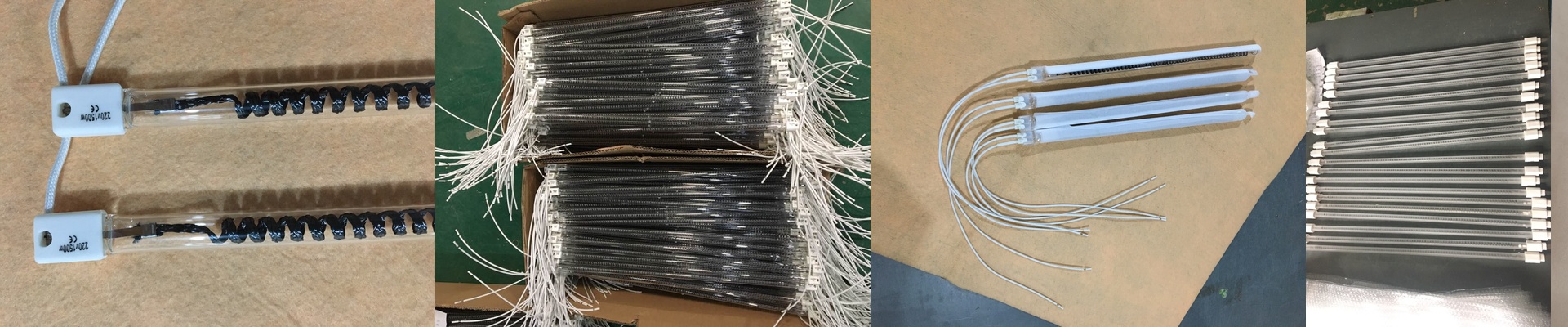
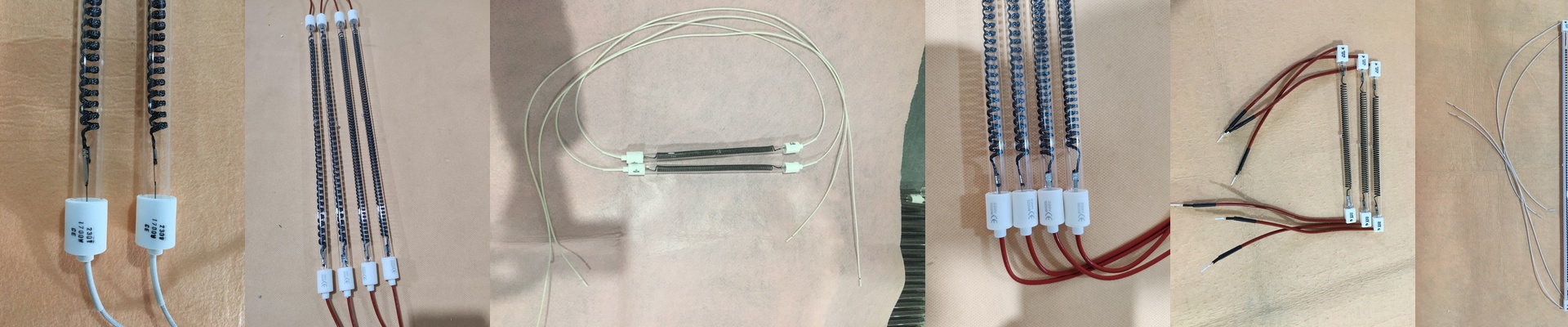
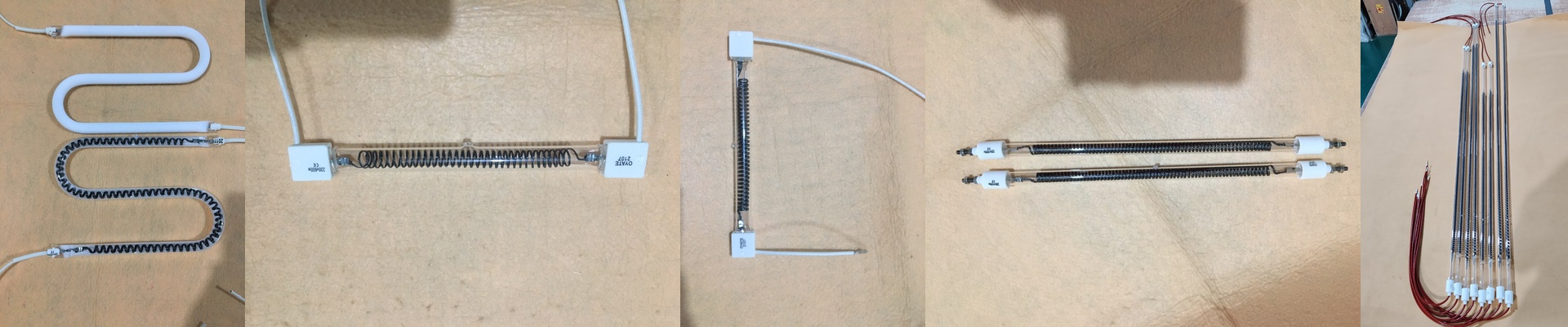
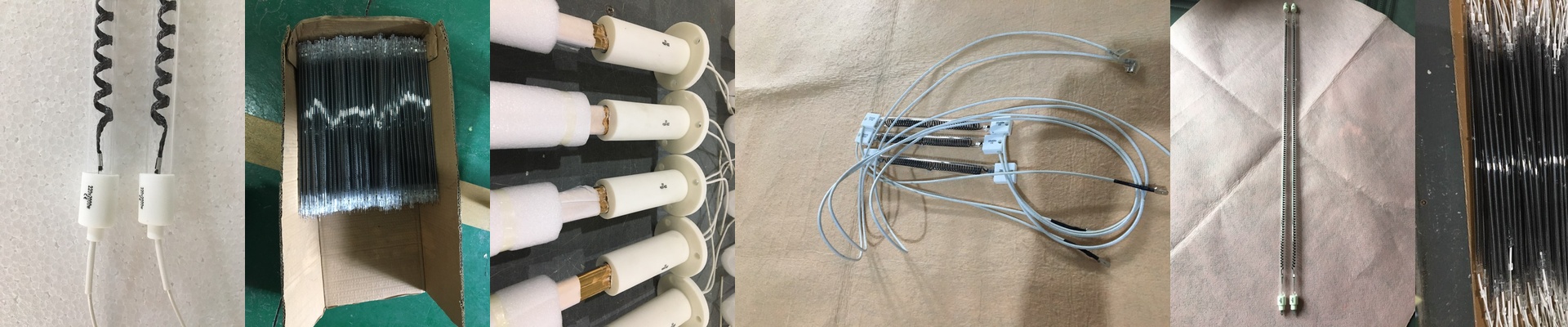
How We Actually Build Our Carbon Fiber Heating Panels
If you’ve used old-school quartz or halogen heaters, you know the drill: they get incredibly hot in one tiny spot and leave the rest of the area cold. We do things differently. By using conductive carbon filaments, we can spread that heat across a wide surface. No more worrying about scorching one corner of your project while the other stays chilly.
Getting the Heat Right
Here’s the thing about the way these work. Instead of forcing all that energy through a thin tungsten wire, we use a carbon fiber weave. It spreads the load. The result? A thermal footprint that actually feels uniform. But a word of caution when you’re picking your specs: watch your wattage density. Sure, high-wattage panels heat up fast. Really fast. But they’re harder on your power supply. If you crank the voltage too high without a good regulator, you’ll fry the fiber matrix. And that’s a headache nobody wants.
What’s Under the Hood
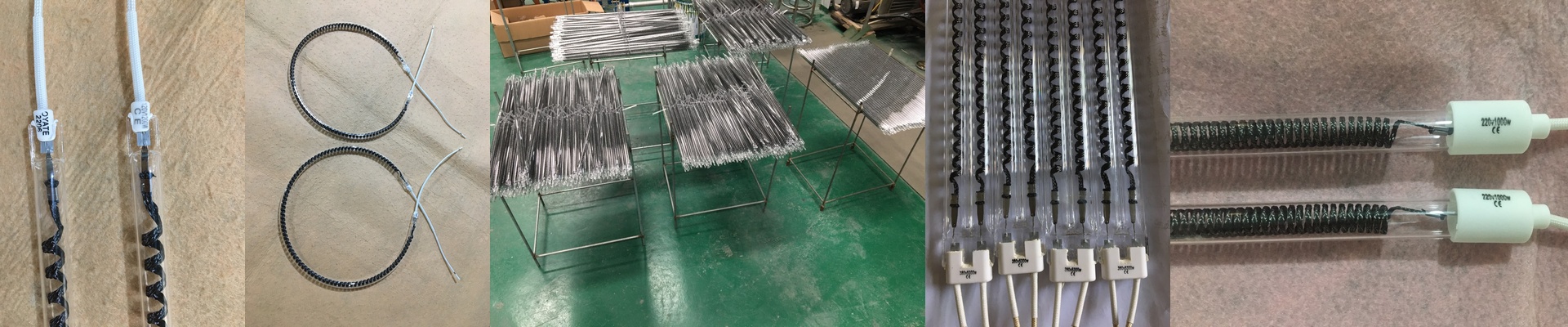
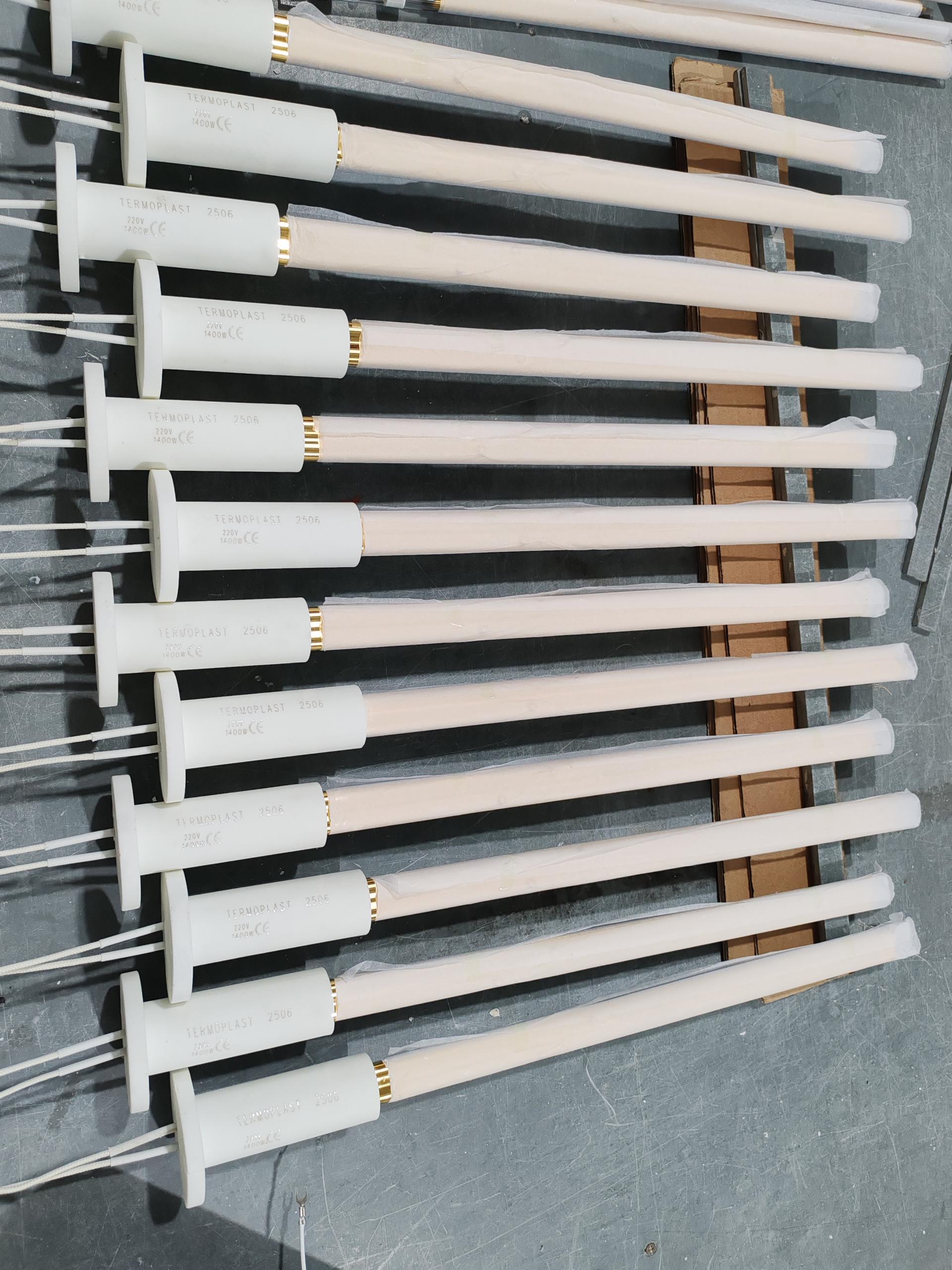
We build these in layers. We sandwich the carbon fiber core between insulating materials. This does two things: it stops short-circuits and pushes all that infrared energy exactly where it needs to go. The best part? No fragile glass tubes. You can mount these panels much closer to your workpiece without the constant fear of something shattering. We also spent a lot of time on the wiring. In our experience, that’s usually where things break. We use high-temp leads so the connections don’t get brittle and snap after a few hundred heat cycles.
Making It Work in Your Shop
These panels are great for drying coatings, curing adhesives, or preheating PET bottles. They react way faster than those clunky forced-air ovens. Just keep an eye on your spacing. If the panel is too close, you’ll burn the surface. Too far, and you’re just wasting electricity. You’ll also want to tune your control system to the specific “lag” of carbon fiber so you don’t overshoot your target temperature.